I asked AI for a training plan — but my human coach saved me from a back injury
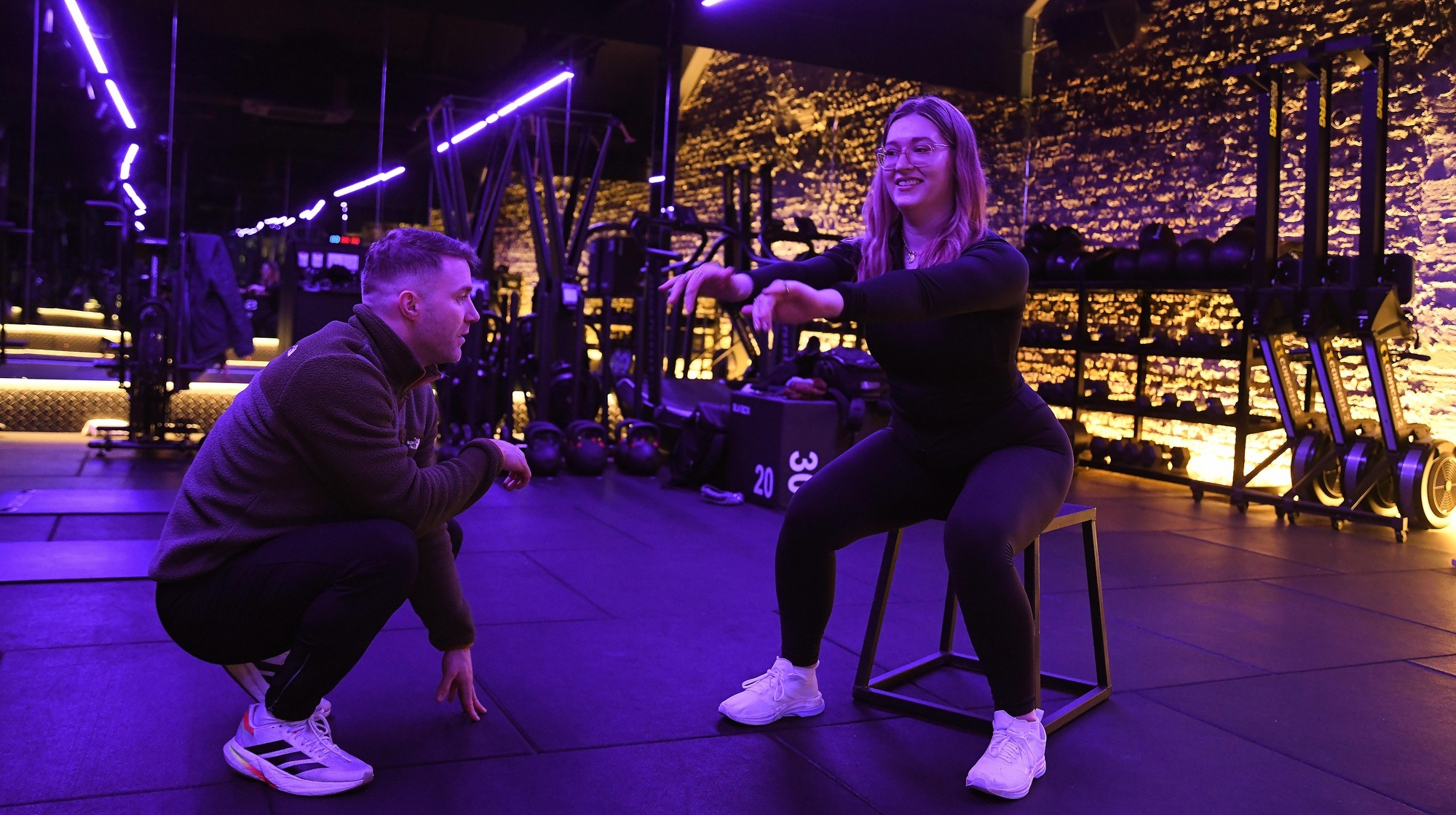
Ryan Baronet coaching Nicole Glennon on her squats in Saint Studios. Picture: Moya Nolan
Chatbots are quickly becoming tools we use to outsource everyday tasks. And I’ve often wished I could outsource my fitness routine.
I am not a gym bunny, but when an email landed in my inbox, inviting me to form a team for a Hyrox-style fitness challenge to raise money for Irish cancer charities, I was intrigued. It was billed as beginner-friendly, but I wasn’t convinced I could do it.
Almost immediately after committing to the challenge and assembling a team of colleagues, I started to worry about my ability to complete it.
Despite being a regular Spin-goer and the odd Pilates class attendee, I couldn’t do some of the most basic movements — push-ups and burpees, a mash-up of a squat, plank, push-up, and jump — and was concerned about lifting weights.
I pasted the workout into an AI chatbot and typed in my concern: How realistic was this challenge for someone starting from my fitness level, with just eight weeks to prepare?
The answer was a relief.
“This is absolutely achievable,” the bot told me brightly. It provided me with a “station-by-station honest assessment”, most of which lined up with my own evaluation. It told me the push-ups would be my “biggest challenge”.
“You have eight weeks to get from zero push-ups to sustained reps under fatigue. This is tight, but achievable, if you prioritise it,” it advised.
The weights section was less intimidating, the bot said. The 12.5kg dumbbell for the devil’s press (a burpee with a dumbbell lift) was described as “light”, the 35kg deadlift as “light-to-moderate”, and the sandbag squats as “very achievable”.
It was exactly what I wanted to hear.
I asked the bot to build a programme around my schedule: I have a membership at Dublin’s Saint Studios and knew I could commit to one of its Hyrox-style classes on Mondays and a hybrid strength-and-conditioning class on Tuesdays. I wanted to keep my yoga class, or other recovery activity, on a Thursday, and reserve a day at the weekend for a 5k.
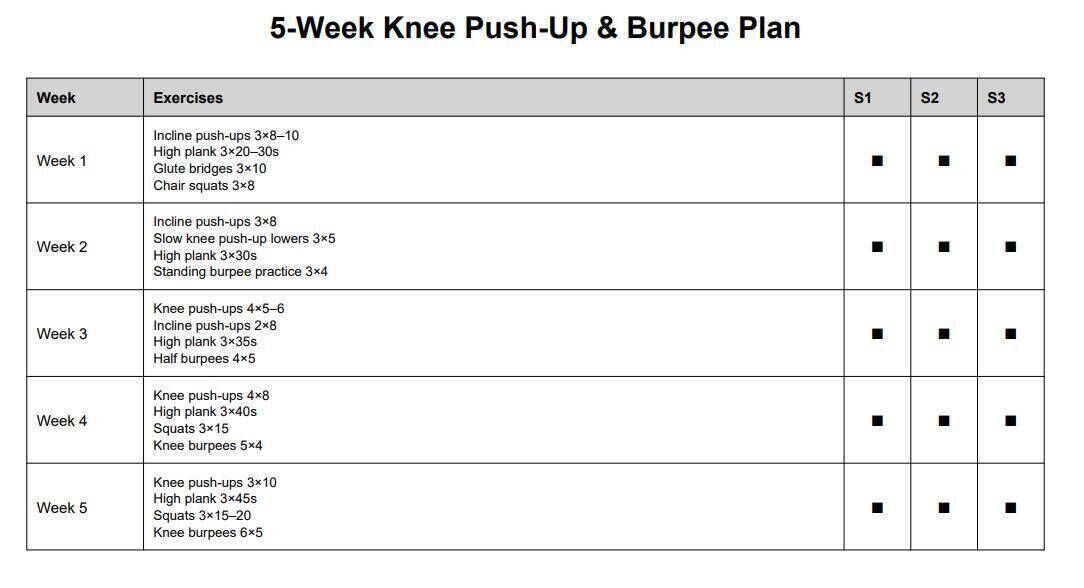
Given my difficulty with push-ups and burpees, I also asked it to give me a plan to work up to both exercises, something I could do two to three times a week, in addition to my fitness classes.
Within minutes, the chatbot produced an eight-week plan, built around those constraints, along with a five-week progression for push-ups and burpees.
Now, it was time to knuckle down and do the hard part.
The plan to prepare me for push-ups and burpees was the most useful part of the AI assistance. With exercises like incline push-ups, high planks, chair squats, and standing burpees, it felt low-effort and, because it didn’t require any gym equipment, was easy to slot in, even on busy days.
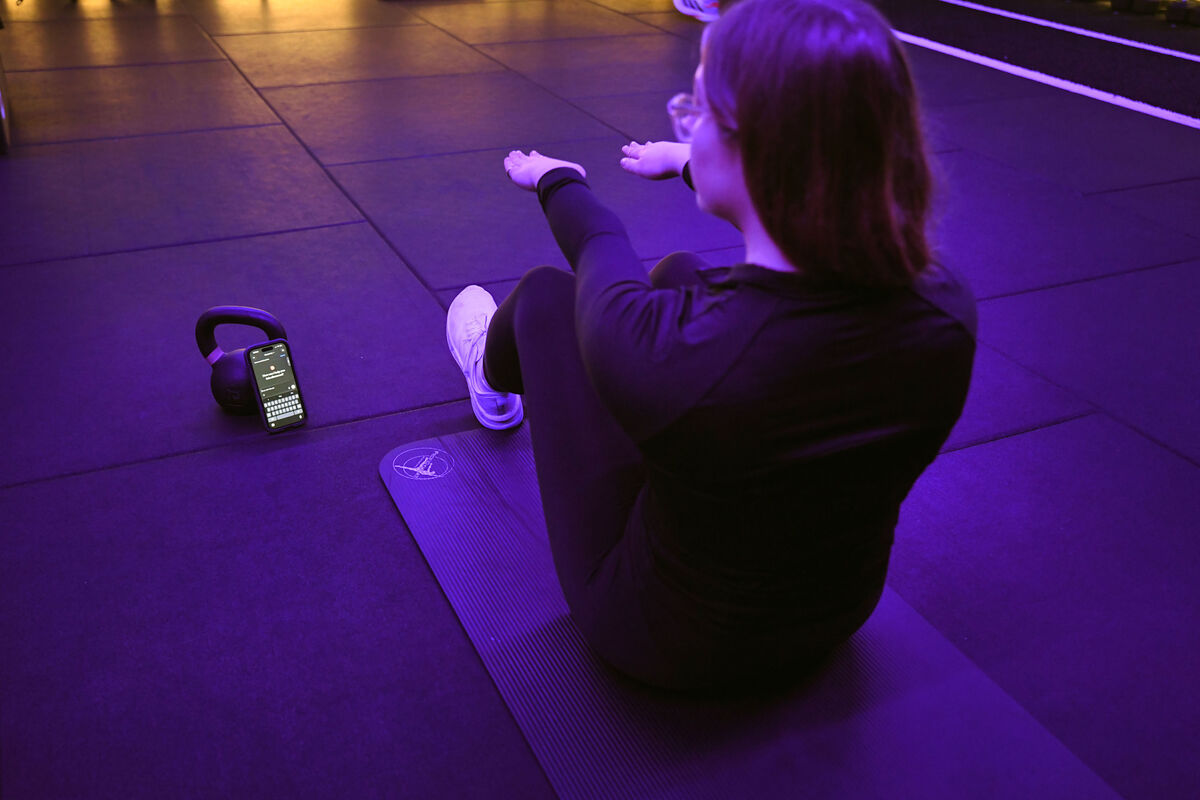
I did extra incline push-ups while waiting for the kettle to boil during work or did chair squats while watching Netflix in the evenings. By the time of the competition, I felt confident with both movements.
The weights, however, were another matter. A week out from the event, I was only lifting 10kg in the devil’s press, and while the AI bot had advised me that squatting with a 20kg sandbag would be “very achievable”, the reality was different.
Every time I tried to go beyond 8kg, I felt pain in my lower back. My coach at Saint Studios, Ryan Baronet, spotted that something was amiss. He kept me back after class one evening and walked me through my squat technique in detail. He quickly identified the problem: I wasn’t engaging the right muscles.

Once I corrected my form, I couldn’t even lift the lighter weight, as the muscles involved were untrained novices.
If I had been relying solely on AI, it’s likely I would have kept trying to push through the discomfort and potentially could have got a back injury.
For Baronet, this is one of the main issues he has with AI chatbots.
“As it stands today, it can’t correct someone’s form,” he says. “You can read coaching tips, ‘weight in the heels, chest up...’
“But that still doesn’t mean you’re doing it right,” I say, finishing his sentence which, in my case, was exactly the problem.
“There are nuances attached to mobility and injury history,” he adds.
When I show him the AI-generated five-week push-up/burpee plan, he concedes there is nothing wrong with it, but that I didn’t need an AI chatbot to provide it.
“I am 16 years coaching, and that sort of stuff you would have found 10, 15 years ago on the internet,” he says.
At least, I say, it’s probably pulling from routines built by other personal trainers, so it should be safe enough for anyone to follow, right?
“You don’t know what it’s pulling from,” Baronet counters, and, more concerningly, “it doesn’t have an opinion on what a good squad or push-up should look like.”
One study I read highlighted the sycophantic nature of AI chatbots: They reinforce what they think we want to hear.
In my case, I wondered whether it might have been overly enthusiastic about my ability to take on this challenge and reach the required weights with just eight weeks of training.
“100%,” Baronet says, adding that this is one area where the use of AI could be concerning for the inexperienced.
“Many times over the years, I’ve had to say to clients or potential clients, we’ve got to be realistic here.”
Dr Gary McGowan, a fitness coach, medical doctor, and physiotherapist, agrees that AI’s sycophantic nature is a worry.
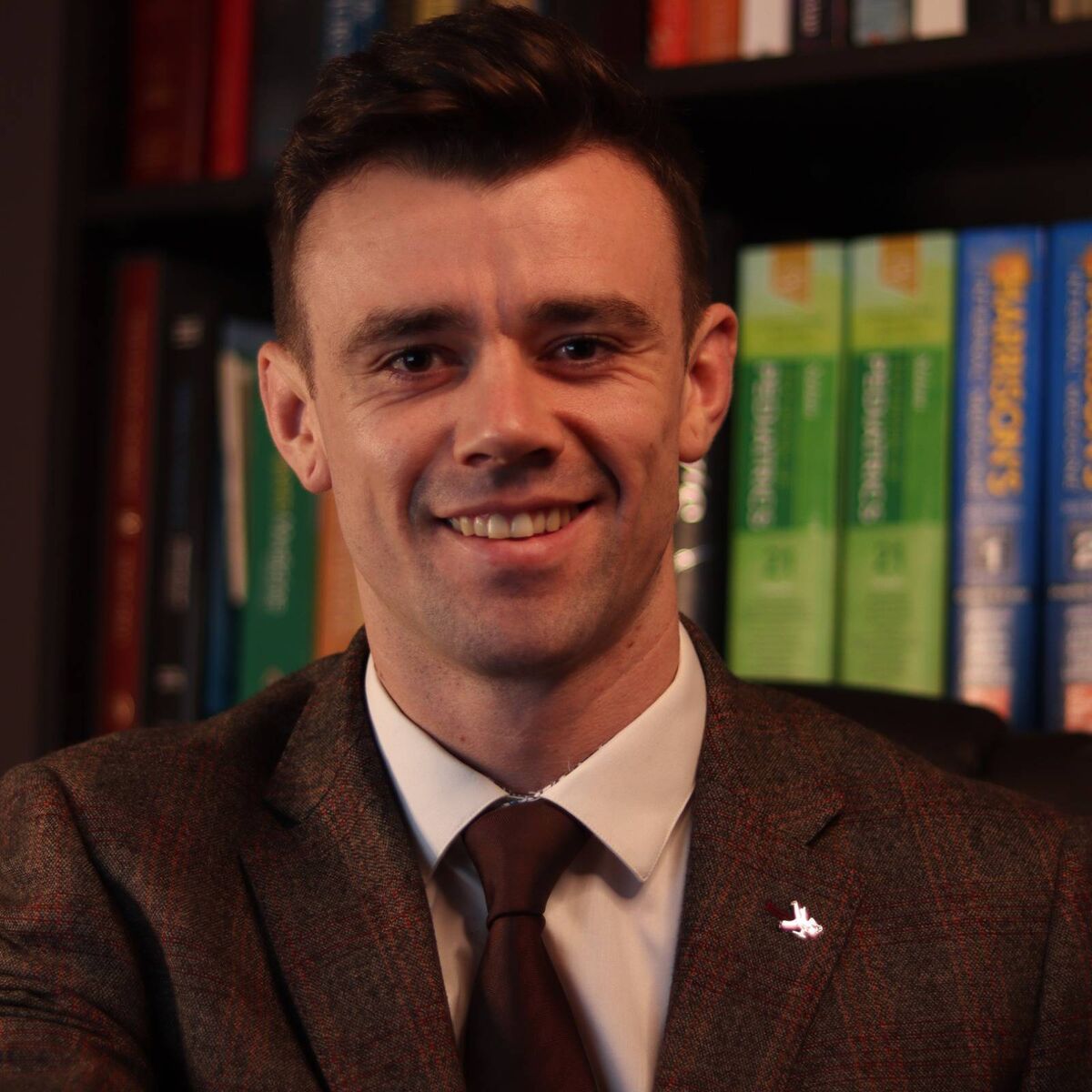
“The information provided is biased on the basis of the prompt provided. For example, if you want to justify that a given exercise or specific food is optimal for you, then you can craft a prompt in such a way that you get the answer you want.”
By far the biggest issue I found with using an AI chatbot was my lack of accountability to it.
Over the eight weeks, I consistently attended my classes at Saint and pushed my limits, encouraged by the Whoop on my wrist, which repeatedly recorded my highest ‘strain’ or perceived effort during those group classes.
Other days, when I was supposed to do a 5k run by myself or fit in a home strength session that AI offered to craft for me, I often made excuses, not completing the full workout or bailing altogether.
A 2025 systematic review by the Centre for Positive Health Sciences at Dublin’s Royal College of Surgeons in Ireland found that while engagement and retention were generally high across AI, human, and hybrid AI-human methods, satisfaction was typically higher with human-delivered coaching.
“Participants reported a stronger sense of connection with human-delivered coaching, including within hybrid interventions,” the authors stated.
McGowan says, “Most of the difficulty people have with nutrition and exercise stems not from a knowledge deficit, but difficulty in implementation.”
“I always conceptualise personal fitness coaching as being about support, guidance, and accountability, not just knowledge.”
Community is another key factor, he says.
“This is why people will often choose a less-personalised exercise class over a personalised fitness programme — cost aside — as the community aspect of fitness is irreplaceable.”
While training for this challenge, my fitness wearable, Whoop, introduced an AI chatbot, which offered training suggestions and recovery advice in the lead-up to the event.
A week out, it encouraged me to taper out my effort, prioritise sleep, and provided a “red flag list” of things I should avoid the day prior: New foods, new shoes, new supplements, and “long sitting without breaks: Stand/walk every hour or so”.
Happily, on the day itself, it looks like my push-up-to-burpee plan paid off, as I completed over 50 reps in both challenges. As for the weights, the adrenaline of the day helped me push my limits with the 12.5kg devil’s press and 35kg deadlifts. And the squats? I took Baronet’s advice and sat out that section (my knees still bear the reminders of my attempts to overcompensate with kneeling push-ups/burpees).
With the challenge over and my muscles still aching, I ask my coach if he sees a role for AI in fitness training in the future: “Does it do some heavy lifting for people? Probably. Does it give people quicker, cheaper, faster access to advice? Probably. But I think, at the core of it, people want people, always will, always have.”
An AI chatbot can never replace the accountability and community I’ve found in a physical studio. But what it can do is help with planning and provide a bit of encouragement, even if it isn’t as good as the high-five from my fellow gym sufferer at the end of another demanding Hyrox class.
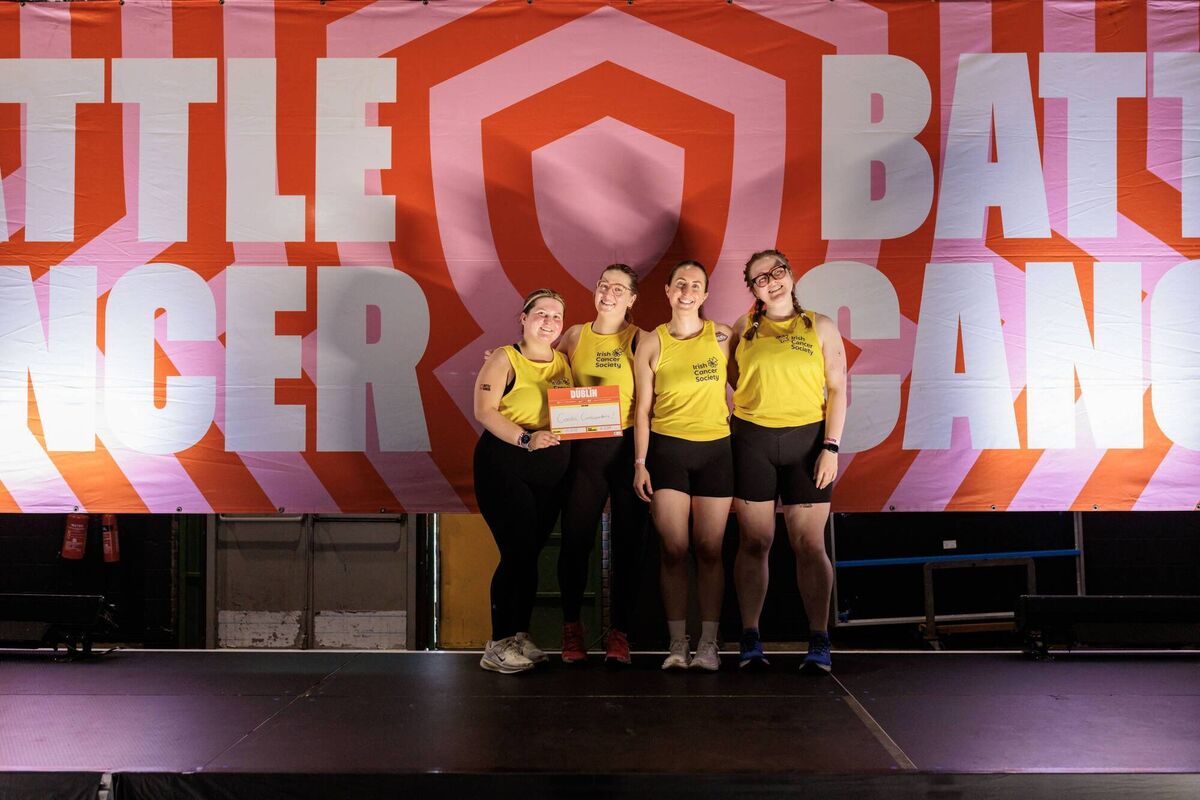
- Nicole Glennon competed in Dublin’s Battle Cancer with Celsius’ media team. She had a complimentary membership to Dublin’s Saint Studios for the duration of her training.
CONNECT WITH US TODAY



Be the first to know the latest news and updates