Working Life: I encourage Roma people to take up screening
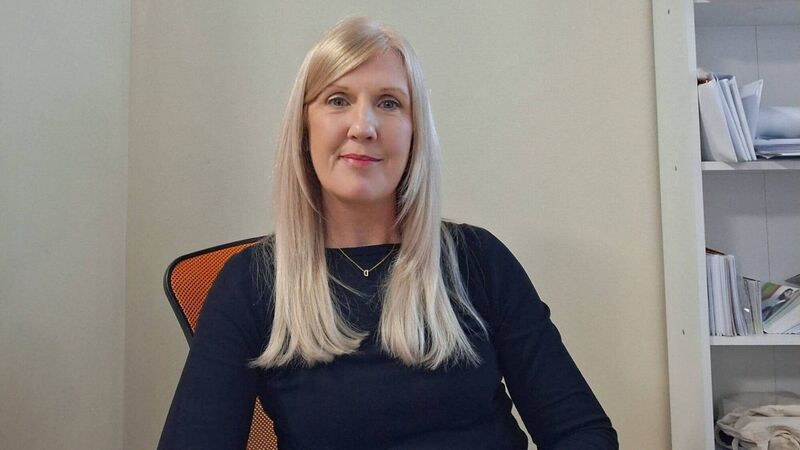
Deborah Whelan: I work with the Roma community, and they are a lovely group. It has opened my eyes to another culture
“There are 500–600 Roma in Waterford City, out of a national population of 16,059. The largest populations are in Dublin and Cork cities. There’s a common misconception that Roma come from Romania, but they originated in the Indian subcontinent. They’ve moved across Europe for centuries with many settling in Romania, but there are also Czech, Slovak, and Hungarian Roma, and Irish Roma now, born to women living here.
“Their culture is similar to Irish Traveller culture, although they are not historically nomadic. Their movement is often linked to seeking work.
“Roma are often stereotyped for begging, but in reality, they come here legitimately as EU citizens looking for work, and when they can’t get it, many feel compelled to beg due to a lack of opportunities. In fact, many of them see begging as going to work.
“If they cannot satisfy the habitual residency condition, they don’t get social welfare.
“My role, funded by HSE Social Inclusion through Buíon Port Láirge (formerly Waterford Area Partnership), involves supporting the Roma navigate health systems and access services, such as medical cards. Poverty is endemic in their community, and many have no job and no means, which makes means testing them as part of the medical card process very difficult.
“It can be an uphill struggle to obtain a medical card, but there are terrific people in the medical card section of social services, with many Roma being successful. To see that and to support them to develop their own advocacy skills — you can’t put a price on that. It’s baby steps to achieve anything, but when you do, it can be life changing and that is priceless.
“I also encourage individuals to get involved in national screening programmes, such as BowelScreen. Anyone who is eligible is provided with tailored information and short videos in whatever language they speak, which explains how it works, why screening matters and what the results mean.”
- Changes in bowel habits — diarrhoea, runny bowel movements, constipation, needing to poo more or less often than usual.
- Blood in your poo, which may look red or black.
- Abdominal issues — cramps, general abdominal pain, bloating that doesn’t go away.
- Weight loss when you’re not trying to lose weight.
- Tiredness and lack of energy when you’ve had enough rest.
- Any unusual change you know isn’t right for you.
- If you experience one or more of these symptoms, you should make an appointment to see your GP.
- For information on bowel cancer screening and using home test kits, see: hse.ie/conditions/bowel-screening



CONNECT WITH US TODAY



Be the first to know the latest news and updates