I was diagnosed with bowel cancer at age 48 — we need to lower the screening age
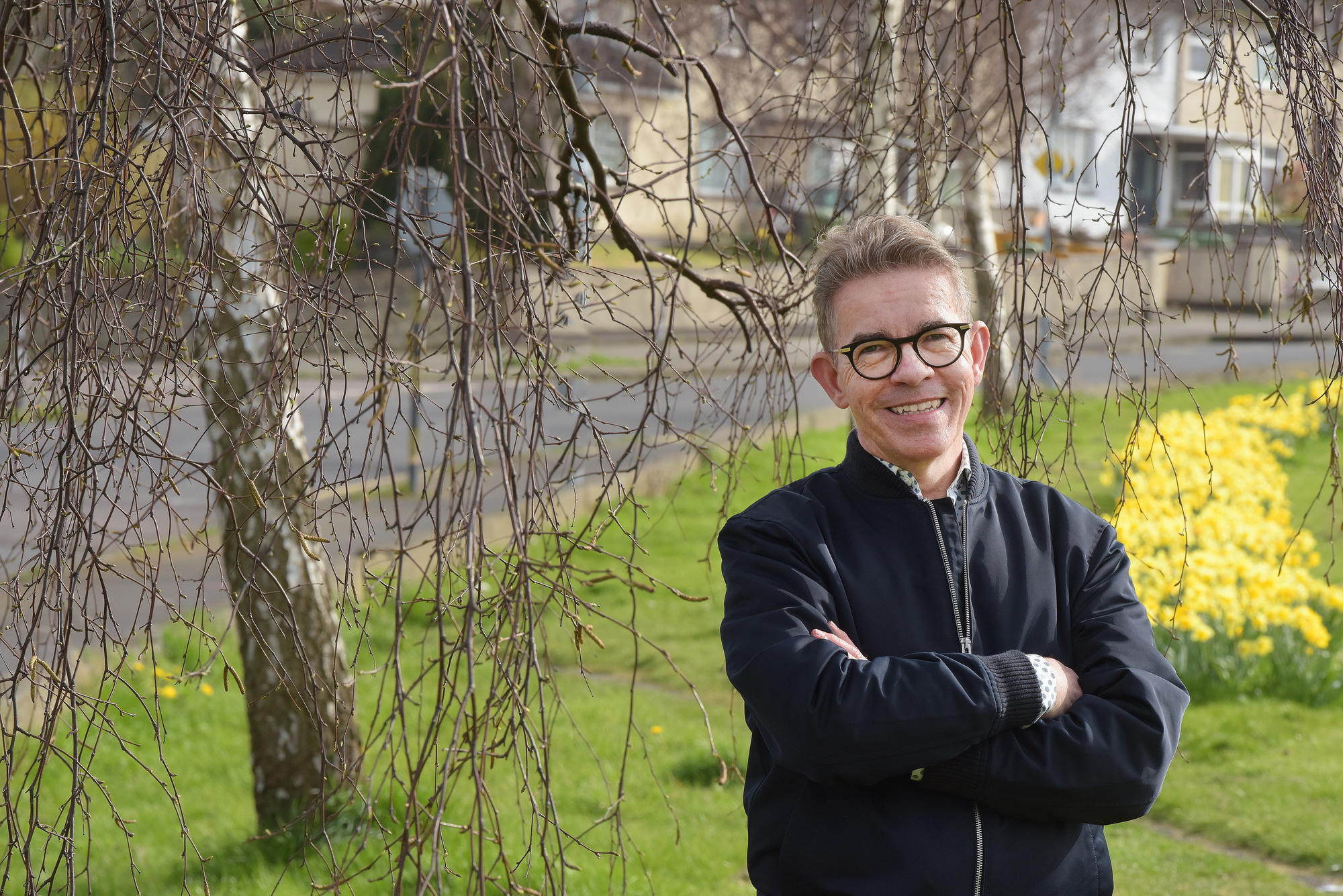
Brendan Donlan who was treated for bowel cancer seven years ago. Picture: Moya Nolan
“In hindsight, there were some subtle symptoms: I was a little bit more tired than usual, I had slight back pain that I put down to carrying the goals off the pitches for my son’s GAA team. But then, just before the June bank holiday weekend in 2018, there were sudden changes; the most significant was that my poos were getting thinner.”
Donlon usually had reliable bowel habits, so he noticed the change, but didn’t think too much of it until a day or two later, when “nothing could get out: It was a complete blockage”.
He started drinking more water, eating fruit, and going for walks to alleviate what he thought was constipation. But the blockage persisted and his stomach began making “amazingly loud noises”. About 72 hours after he first noticed the size of his stools changing, he started to feel “very unwell” and overnight he experienced pain like he’d never felt before.
The next morning, his wife, Fiona, brought him to the Beacon Hospital. “They triaged me, noted the blockage, and admitted me very quickly. It was the Friday of the holiday weekend, and we were lucky they had capacity to admit me.”
The surgeon decided to operate to remove the blockage. “He took a view of ‘operate first, ask questions later’.” In theatre, Donlon underwent a colectomy. “Afterwards, the surgeon told me he identified the area with the blockage and removed it. He examined both ends of the remaining colon, which he said looked healthy, and sutured them back together.”
The removed section of his colon was sent for analysis. A week later, on the day he was to be discharged, Donlon met with the doctors, who told him the blockage had been caused by a malignant tumour and that he had stage-three bowel cancer. They discussed a treatment plan. ‘“Because they weren’t sure if my cancer had spread beyond the section of my bowel, they recommended a high dose of chemotherapy over a six-month period to give me the best chance.”

He says it was initially difficult to come to terms with the fact that he had cancer. For his wife, and his son, who was 10 at the time, it was “very shocking”.
“The speed at which it all happened was bizarre. One week I was coaching my son’s GAA team, and the next I’m sending updates of my treatment to the parents, who were covering for me with the coaching. But my son and my wife were a great support to me, and, look, we consider ourselves very lucky.”
During chemotherapy, Donlon continued to work, using his laptop at home on days when he wasn’t at the hospital. Although he found the treatment “intense”, he was happy he was able to work, as this helped to alleviate any stress he would have felt as a self-employed person.
He also made some “incredible connections” through the process. “I’m self-employed, so I decided to go public on LinkedIn and to be open with my clients about it. The connections I made switched me almost instantly from feeling sorry for myself to realising that I was lucky.”
After his treatment, he was monitored closely with scans every three months for the first year. This was reduced to every six months and then every 12 months.
Now, eight years later, he gets a scan every five years.
“I know mine is a good news story. Since my diagnosis, I’ve met so many people who, like me, were diagnosed with stage-three cancer and, over the course of a year, became stage four when a secondary tumour was found.”
Donlon has since become an advocate for bowel cancer awareness and works with Bowel Cancer Ireland to encourage more people — particularly men — to get themselves checked out if they notice a change or feel like something is wrong.
He’s also a vocal advocate for reducing the bowel cancer screening age to 50 and joins others at Bowel Cancer Ireland who have been instrumental in raising awareness of screening.
Among them was Mick Murphy, from Carrigtwohill, Co Cork, who passed away in November 2023, of bowel cancer, aged just 48. Murphy’s widow, Denise, continues to advocate for a lower screening age.
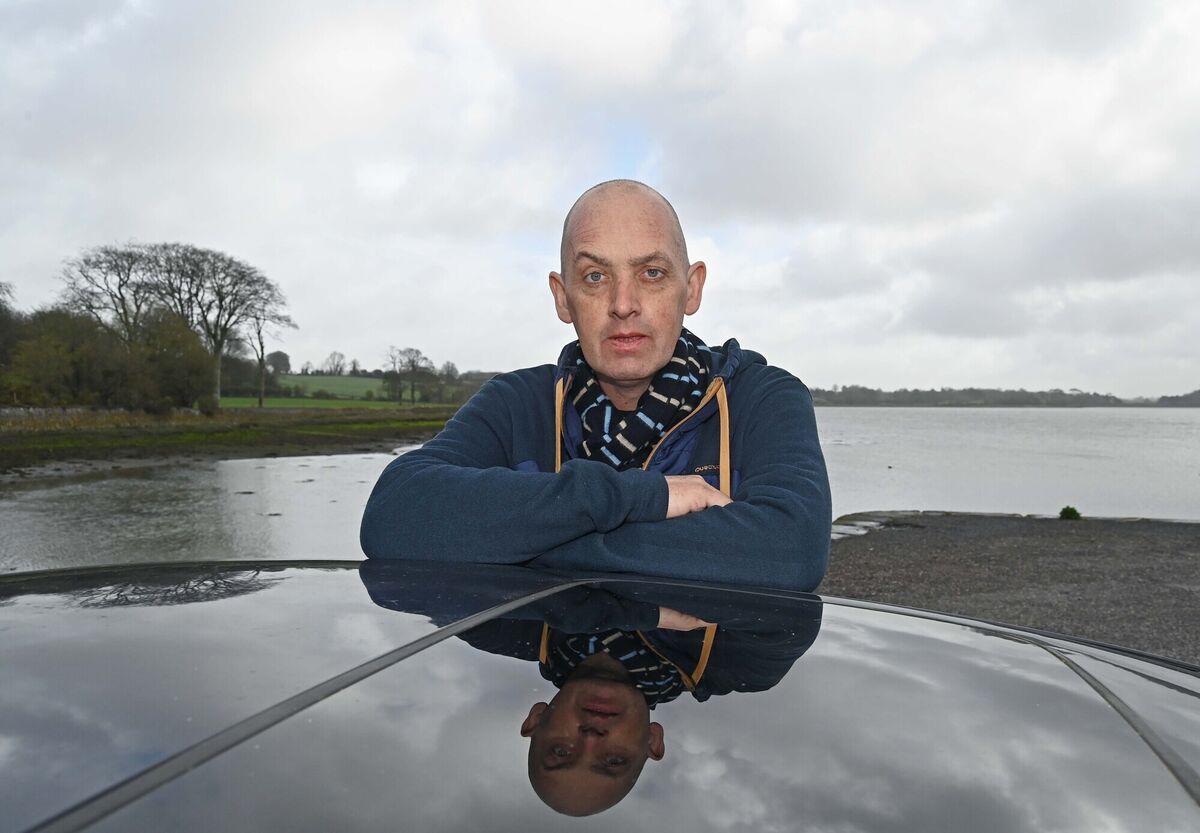
“Mick was passionate about saving anyone from the experience that he had and that our family went through,” she says. “It’s a difficult thing to relive the experience we had, but he felt so strongly about it, so we want to honour that.”
Murphy was diagnosed with stage-four bowel cancer in November 2020. He had subtle symptoms in April 2020 — an upset stomach, bloating, and some weight loss — but nothing that he thought “screamed bowel cancer”, said Denise.
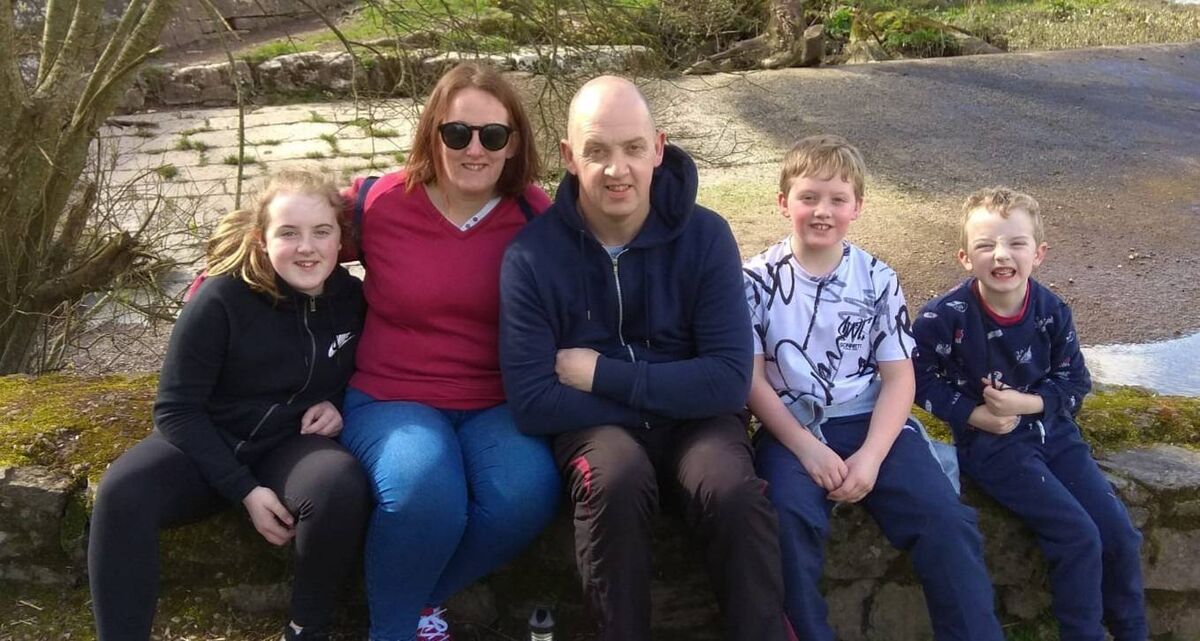
A fit and healthy man, with three children aged eight, 11, and 15 at the time, Murphy was rarely sick and very active. As his symptoms worsened through the summer of 2020, and with new symptoms (such as not feeling “fully empty” when he went to the toilet), Murphy went to his GP and had a colonoscopy in November. The procedure confirmed he had bowel cancer, and subsequent scans revealed it had spread to his liver.
He and his family spent as much time together as they could, and Denise said they were lucky to be able to do so. Now, just over two years after his death, the family continue to grieve — “some days are harder than others” — but Denise channels some of that grief into advocacy work.
She is determined to help lower the screening age, because “Mick was healthy, and not high risk on paper”, but was diagnosed only once his cancer had spread. Earlier testing, she believes, could have resulted in a different prognosis.
Now, with their three children considered high-risk, she wants families like hers to be eligible for screening before they reach today’s threshold age.
Marie Keating Foundation CEO, Liz Yeates, says: “We are confronted with an alarming reality: Because so many patients are being diagnosed with late-stage bowel cancer, doctors are limited in terms of treatment options, and too many patients are dying far too early.
“Shockingly, one in 10 patients is diagnosed under the age of 50, while one in five is under the age of 60, and yet our BowelScreen programme only starts at age 58. Expanding the screening age to 50-74 and ensuring increased funding for diagnostics, such as endoscopies and colonoscopies and treatment pathways, are essential to saving lives and preventing avoidable deaths.”
Expansion of the BowelScreen age range is on a set timeframe laid out in the National Cancer Strategy and “in line with available capacity and funding”, said Dr Alan Smith, consultant in public health medicine, National Screening Service.
“Nationally, approximately 6,000 colonoscopies are carried out each year for BowelScreen participants. Capacity for BowelScreen follow-up colonoscopies was expanded last year, with the addition of services for the programme in Cork University Hospital.”
The service “is currently awaiting the outcome of a health technology assessment by the Health Information and Quality Authority (HIQA) to extend BowelScreen to include 50- to 54-year-olds”.
As well as widening the screen age range, the challenge is also to encourage more uptake of the screening by those who are eligible, although there are signs that this rate is on the up, says Smith, adding that “quarterly uptake trends rose in 2025, from 44.3% in early 2025 to 55% by autumn 2025”.
Donlon recognises his good fortune. “And, right now, I’m trying to leverage that luck by spreading the news about what people need to do to make sure that they also get a chance to be this lucky.”
- See: exa.mn/HSE-BowelScreen and mariekeating.ie
- Changes in bowel habits — diarrhoea, runny bowel movements, constipation, needing to poo more or less often than usual.
- Blood in your poo, which may look red or black.
- Abdominal issues — cramps, general abdominal pain, bloating that doesn’t go away.
- Weight loss when you’re not trying to lose weight.
- Tiredness and lack of energy when you’ve had enough rest.
- Any unusual change you know isn’t right for you.
- If you experience one or more of these symptoms, you should make an appointment to see your GP.
- For information on bowel cancer screening and using home test kits, see: hse.ie/conditions/bowel-screening

CONNECT WITH US TODAY



Be the first to know the latest news and updates