Businesses adding ‘small acts of kindness’ to the agenda
Along with giving financial support to local community groups and charities, companies are also encouraging staff members to volunteer
Businesses adding ‘small acts of kindness’ to the agenda

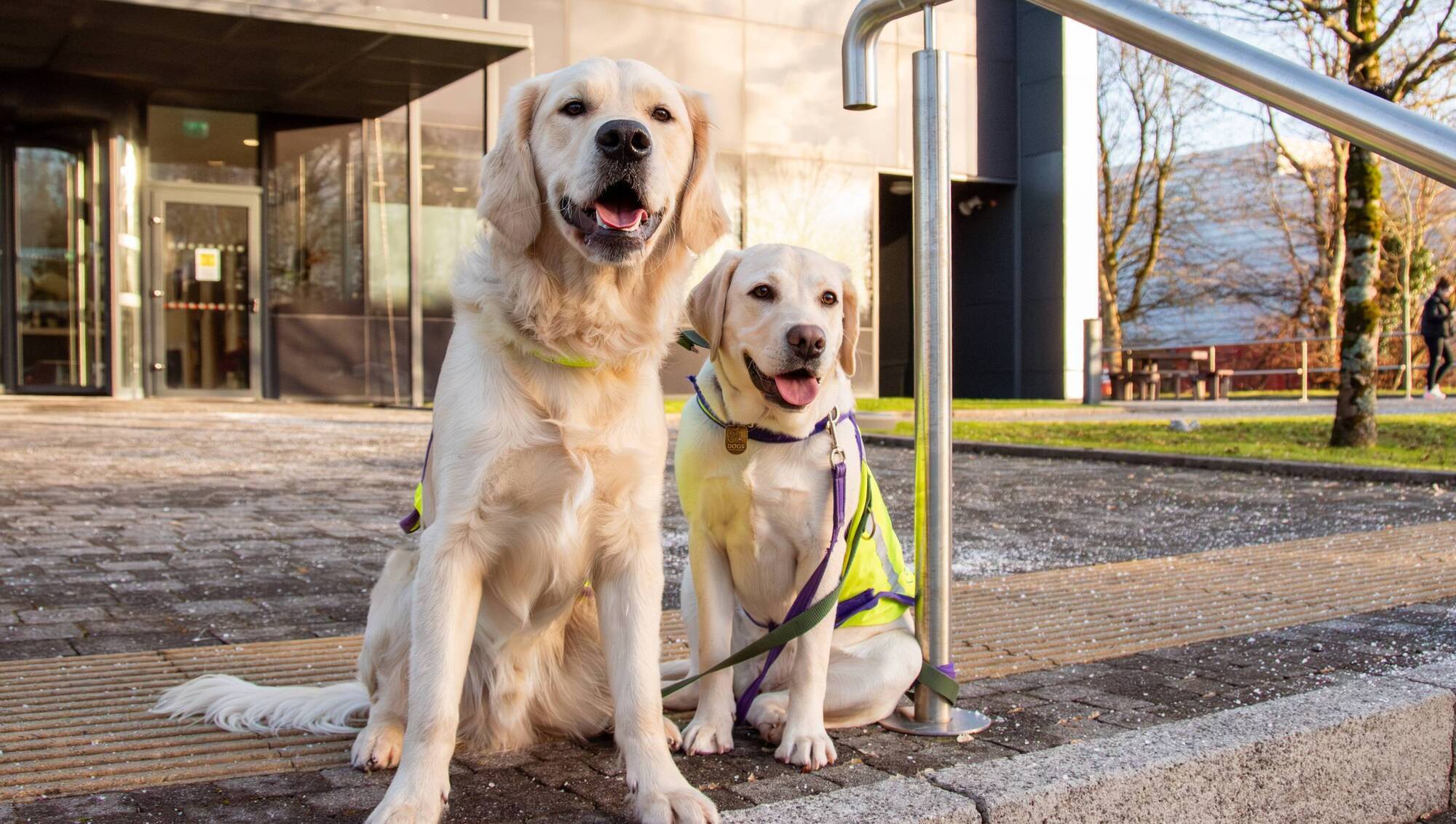
Cork-based branch of medical equipment manufacturer Stryker has worked with Autism Assistance Dogs Ireland and Irish Dogs for the Disabled for the past ten years to help provide training for over 30 puppies.

MANY companies see value in supporting local charities. They know that giving corporate donations, sponsoring community groups and hosting fundraising events and activities in the workplace boost their brand’s reputation. But some companies go a step beyond donations, sponsorship and fundraising. They encourage their employees to volunteer with chosen charities.

Volunteerism has proven benefits.

A 2023 Northumbria University study found that it was associated with reduced mortality, increased functioning, better quality of life, greater pride, motivation, social support, and a sense of community.

The Cork-based branch of the multinational medical equipment manufacturer Stryker has worked with Autism Assistance Dogs Ireland and Irish Dogs for the Disabled for the past 10 years to help provide training for over 30 puppies.

Deirdre Ennis is Stryker’s human resources director. She says that the organisation wanted to build on the work it does to raise funds for healthcare and education charities by “allowing employees to make a more meaningful contribution”.

Stryker human resources director Deirdre Ennis

“Facilitating them to give their time and act as puppy raisers is a way of doing just that.”

Brian O’Sullivan, a research and development director at Stryker, fostered a puppy during the pandemic.

“Like a lot of families, my wife and our three kids considered getting a dog at that time, but because she and I both work full-time, we weren’t sure we could commit to it,” he says.

“We decided to foster instead and were paired with Dogs for the Disabled. We got a puppy called Nemo, and had him for 18 months.”

He found the fostering process simple. The charity inspected the family’s home and garden to make sure it was safe for a puppy, and then provided them with a crate and bedding, and paid for all the veterinary care and food Nemo needed.

“They even gave us tips on training him,” says O’Sullivan.

The family loved having Nemo. O’Sullivan says the puppy got them all out walking more and that he was

great to have around the house”.

We were all sad when the time came to say goodbye, but it helped knowing he was going to make a difference in someone’s life.

“We got a letter from that person afterwards. It was a woman with Parkinson’s who told us how happy she was with Nemo. We were all delighted to have played a part in making that happen.”

It wasn’t just his family that benefited from having Nemo around.

Stryker allows its employees to bring the dogs they are training into work where possible, which means O’Sullivan’s colleagues also got to interact with Nemo.

“I set up a roster on MS Teams so that people could sign up to bring him for a walk or spend time playing with him during their break times,” says O’Sullivan.

Having so many people to interact with helped Nemo’s socialisation, but O’Sullivan found that he enjoyed the interaction too. He formed relationships with more people within the company, and he believes “having a dog around helped with wellbeing at work. Dogs brighten people’s day. They are always in a good mood, which makes us feel more relaxed and happy.”

Ennis is convinced that “dogs bring people together”, boosting social connections, enhancing team building, and increasing employee morale.

“It’s not just the family that fosters the dog that benefits,” she says.

“Everyone who walks the dog benefits from fresh air and exercise. Conversations come about because of the dog, and relationships are built from those conversations. And because we keep track of the dogs we are involved in training, we keep people informed about how the dogs are helping others, which makes people feel good about their efforts. The whole initiative is a really positive one. We’ve seen no downsides to it.”

A real feel-good project

Stryve ( stryvesecure.com) is an Irish IT and cybersecurity company.

It has two main charity partners: St Clare’s Hospitality Kitchen, which serves hot meals to people in need in Carlow, and Cope Galway, which works with families facing homelessness, people dealing with domestic abuse, and older people living alone.

“As local employers, we feel it’s important to support our local community,” says Stryve CEO Andrew Tobin. “We give financial support to both organisations, but we like to roll our sleeves up too.”

Last June, 20 of the company’s 50 employees travelled to Galway for a team-building day that involved volunteering at Cope Galway’s charity shop. Stryve’s chief information security officer Paul Delahunty was among them.

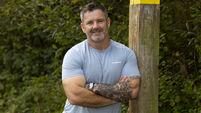
 Stryve chief information security officer Paul Delahunty
Stryve chief information security officer Paul Delahunty

“I’d never have thought of spending a day in a charity shop as a team building activity, but it was great craic,” he says.

“Being in the background, sorting through the donations and putting them into different piles, helping out in the shop and organising the stockroom was a real feel-good project.

“It felt good to do good and as I work from home most of the time and don’t get to meet up with colleagues that often, I enjoyed the opportunity to get to know people better too.”

Another part of Stryve’s partnership with COPE Galway involved Delahunty developing a survivor-focused digital safety guide that the charity could share with victims of domestic abuse. This guide provides practical advice on topics like password management, checking for spyware, covering online tracks, and safely storing evidence.

Delahunty says compiling it opened his eyes to how technology can be misused to monitor, manipulate, and even harm people.

“As a man, I’d never thought about those sorts of things before. Working on this project expanded my view of the world and the online dangers experienced by different people.

“I hope the guide helps the people who need it to take the precautions to stay safe.”

Tobin, who has himself participated in a sleep-out with other business leaders to raise awareness and funds for Cope Galway, would like Stryve to do more voluntary work for charities.

He says his employees “gain empathy from getting stuck into this kind of hands-on work and appreciate the opportunity to do something meaningful on behalf of others”.

“We’re definitely considering doing more such work in future.”

Support pillars of the community

It’s not just multinational corporations like Stryker or companies like Stryve with 50-plus employees that can get involved with charitable ventures. Stephen O’Connor has worked with An Garda Síochána in Dublin for 17 years. For the past three years, he has combined that with running Gym Life Wellness, a business that delivers positive health education, coaching, and consultancy to schools, corporate and public sector organisations.

Stephen O'Connor, a Dublin-based Garda who set up 

He says that his career in front-line policing opened his eyes to the impact that high-stress and unpredictable environments can have on people’s health.

“Health workers, emergency service workers and charity workers are the support pillars of our community but they often sacrifice their own wellbeing in order to look after the rest of us,” he says. “But how can they be expected to look after others if they don’t look after themselves?”

Since founding his company, he has offered free workshops to charity-sector professionals and under-resourced frontline workers. “It’s my way of giving back and I’ve only ever found it to be 100% positive,” he says. “It gives me a lift to see my expertise being put to good use and helping people who really deserve and need it.”

He urges other companies, whether large multinationals or small one-person operations like his, to do what they can to practice “small acts of kindness”.

“It’s good for your own wellbeing and the feel-good factor expands out into your community,” he says. “It strengthens the social fabric of your organisation, community, town and country.”

More in this section

Lifestyle

Newsletter

The best food, health, entertainment and lifestyle content from the Irish Examiner, direct to your inbox.

Cookie Policy Privacy Policy Brand Safety FAQ Help Contact Us Terms and Conditions

© Examiner Echo Group Limited