Avoid new year diet and find balance beyond food rules 

Instead of looking for new ways to lose weight, consider taking an intuitive eating approach, which teaches us to tune into our body’s signals so that we eat what we need and when we’re hungry
Avoid new year diet and find balance beyond food rules 

Restrictive diets can lead to an unhealthy relationship with food. Picture: iStock 

SINCE waking up on New Year’s Day, we’re likely to have been bombarded with messages telling us the feasting has to stop. The indulgent spirit of Christmas has been replaced with talk of diet and exercise regimens.
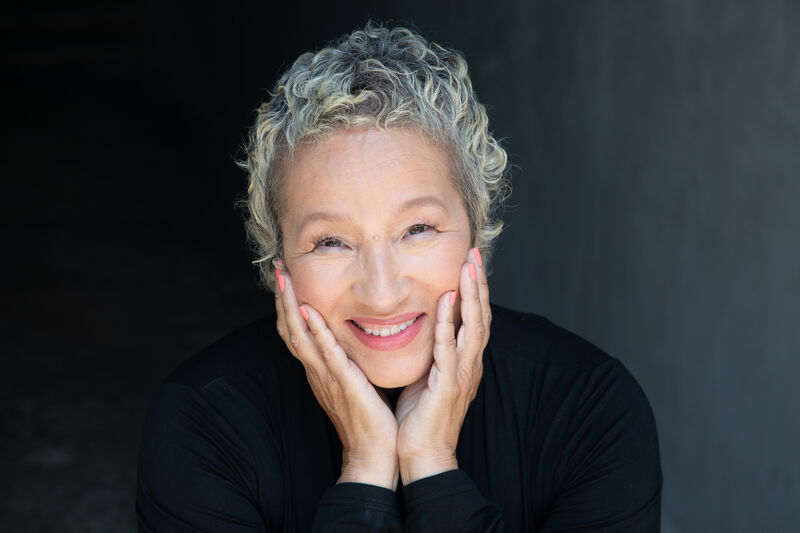
This annual pattern of revelry followed by restriction doesn’t help us maintain a healthy relationship with food. So says Elyse Resch, an American dietitian who co-authored Intuitive Eating: An anti-diet revolutionary approach with dietitian Evelyn Tribole.

First published in 1995, the groundbreaking book is now in its fourth edition. Speaking from her home in California, Resch says that we live in “a society that conflates weight with health and bases our worth on what we weigh”.

Dietitian Evelyn Tribole: People don't fail at diets — diets fail people. 

“It’s no wonder people feel pressure to begin each new year with a diet so that they lose weight.”

Before we decide to adopt a weight-loss programme, she advises stopping and reflecting on our previous experience with dieting.

“Ask yourself if you lost weight,” she says. “Ask yourself if you kept that weight off? And how did you feel about it? People can feel like failures when diets don’t work.”

However, “people don’t fail at diets,” adds Tribole, over Zoom from her home in California. "Diets fail people."

Science proves her point of view. As early as the 1960s, a review of weight-loss studies found that 95% of weight-loss efforts failed — a finding replicated in subsequent studies.

“Yet people still try to lose weight,” says Resch. “They don’t realise it’s like height or shoe size – our bodies are genetically programmed to be a certain weight.”

Intuitive eating is an approach that helps us make peace with that fact. It’s all about stepping away from the privations of diet culture, reconnecting with our body, and using its internal cues to feed our needs.

Fullness and satisfaction

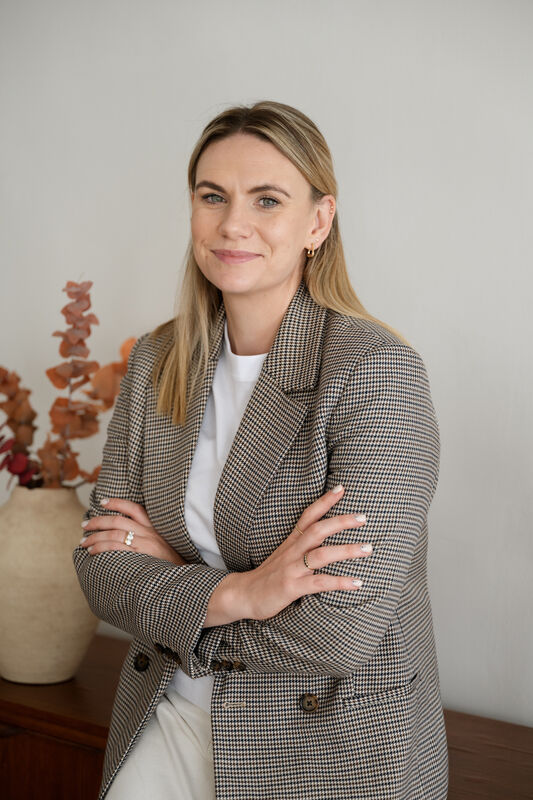
Joanne Corbett, a dietitian specialising in intuitive eating at wellbe.ie explains that while this approach is not a diet, “it acknowledges we have grown up in a diet culture.
“As a result, many of us consider our bodies a constant work in progress as we try to make them thinner, smaller, or maybe more muscular, and we consider foods to be either good or bad at helping us achieve our aim.”

Dietitian Jess Willow outlines how this body-attuned approach counters the diet mindset “by moving away from external food rules and the goal of weight loss to refocus on internal cues of hunger, fullness, and satisfaction”.

An intuitive eating programme is a ten-step process that teaches people how to reconnect with their bodies. That process often starts with tuning into interoceptive awareness.

“This awareness is a sensory system like sight or smell, and it allows us to feel signals like hunger, thirst, or needing to go to the toilet,” says Corbett.

Our brains constantly receive these signals, but we don’t always heed them. Think of how often you’ve felt tired and yet pushed yourself to persevere,” says Corbett.

“Do this too many times, and your body loses its connection to its cues. Intuitive eating is all about re-establishing awareness so we can begin responding to those cues again.”

For some, re-establishing that awareness can be as simple as recognising that feelings of emptiness, fatigue, or their stomach growling are all signs of hunger.

“People keep journals to track how they are feeling, so they become more aware of how their bodies let them know they need to eat,” says Willow.

But not everyone finds it easy to tune into their body’s cues.

“Appetite signals can be muted or just feel confusing,” says Corbett.

“We ask people to rate their hunger on a scale of one to ten. Initially, they may find they don’t notice until it’s at ten, at which point it’s so overwhelming it can cause binge eating.

“Many things get in the way of our ability to tune into appetite, including experiencing chronic or yo-yo dieting, stress, eating disorders and mood disorders. Neurodivergent people may also struggle.”

Eating for comfort

Intuitive eating also accepts that we don’t just eat when we are hungry. Seeing something appealing in a bakery can stimulate our appetite, says Willow.

“Or we can feel sad, stressed or bored and want to eat for emotional reasons. Intuitive eating teaches us that it’s normal to eat for comfort and that we have permission to lean into all different types of hunger.”

This is not to say that intuitive eating equates to what Corbett calls the “screw it, let’s just eat all the doughnuts diet”.

Instead, intuitive eating aims to teach people to cope with their emotions with kindness. “If people understand hunger, they can consciously decide what to do about it and which tools will help them cope,” says Willow. “Food is a tool we should feel free to use without shame or guilt. But if we’re feeling stressed, there are other options like going for a walk, talking to a friend or even writing a to-do list.”

Some critics of intuitive eating have argued that letting people eat whatever they want puts them at risk of making unhealthy food choices. “I’ve heard people say intuitive eating is bound to end in disaster,” says Tribole, referencing a 2022 study based on data from 3,960 participants. 
The study found that intuitive eating had a positive or neutral effect on diet quality and led to favourable changes in eating behaviour.

Dietitian Jess Willow says a body-attuned approach counters the diet culture.

Others argue that intuitive eating doesn’t lead to weight loss. Resch doesn’t deny this.

“But then again, the same could be said of dieting,” she says. “For too long, many of us have been trying to make our bodies smaller and feeling miserable when we fail to do so. Some may lose weight as a result. Others may gain it, and still more may stay the same.

The focus isn’t on the size of our bodies but the joy and satisfaction we get by reconnecting with them.”

Arriving at this mindset requires working on body image, which is something Willow says many struggle with. “Lots of us aren’t happy with the weight our body settles at when we’re not dieting. Getting to a place of acceptance can involve focusing on what our bodies do for us every day. 

"It can also be helped by practical things like buying clothes that fit us properly and that we feel comfortable in, rather than trying to squeeze into clothes that are too small for us.”

Nutrition for life 

The final step in the intuitive eating process usually involves learning about nutrition.

“We don’t bring it in too early as it can seem like yet another set of rules about food,” says Corbett.

Willow emphasises that nutritional needs change with age, especially for women.

“They need more calcium and vitamin D as they approach menopause. They may also need to increase fibre as hormones can affect gut health,” she says.

She points out that our bodies will communicate some of these needs.

“Our hunger level will rise in line with our requirement for more calories while breastfeeding, for example,” she says.

“But it helps to be educated on what we need too. That’s why intuitive eating counsellors spend time on gentle, practical nutrition.”

While weight-loss drugs such as Ozempic can be life-changing for people with chronic illnesses, their growing use concerns the nutrition experts. Beyond the long-term health effects of the medication, Corbett questions the impact of losing interest and joy in food.


Willow wonders what will happen when people stop taking them. “Will their hunger return, and will their weight return with it?”

And what of those who don’t want to or are unable to take these drugs? “Will they see it as yet another example of their bodies failing them?” asks Corbett.

Celebrating 25 years of health and wellbeing

More in this section

Lifestyle

Newsletter

The best food, health, entertainment and lifestyle content from the Irish Examiner, direct to your inbox.

Cookie Policy Privacy Policy Brand Safety FAQ Help Contact Us Terms and Conditions

© Examiner Echo Group Limited