Festive harmony: How being a member of a choir is good for your health
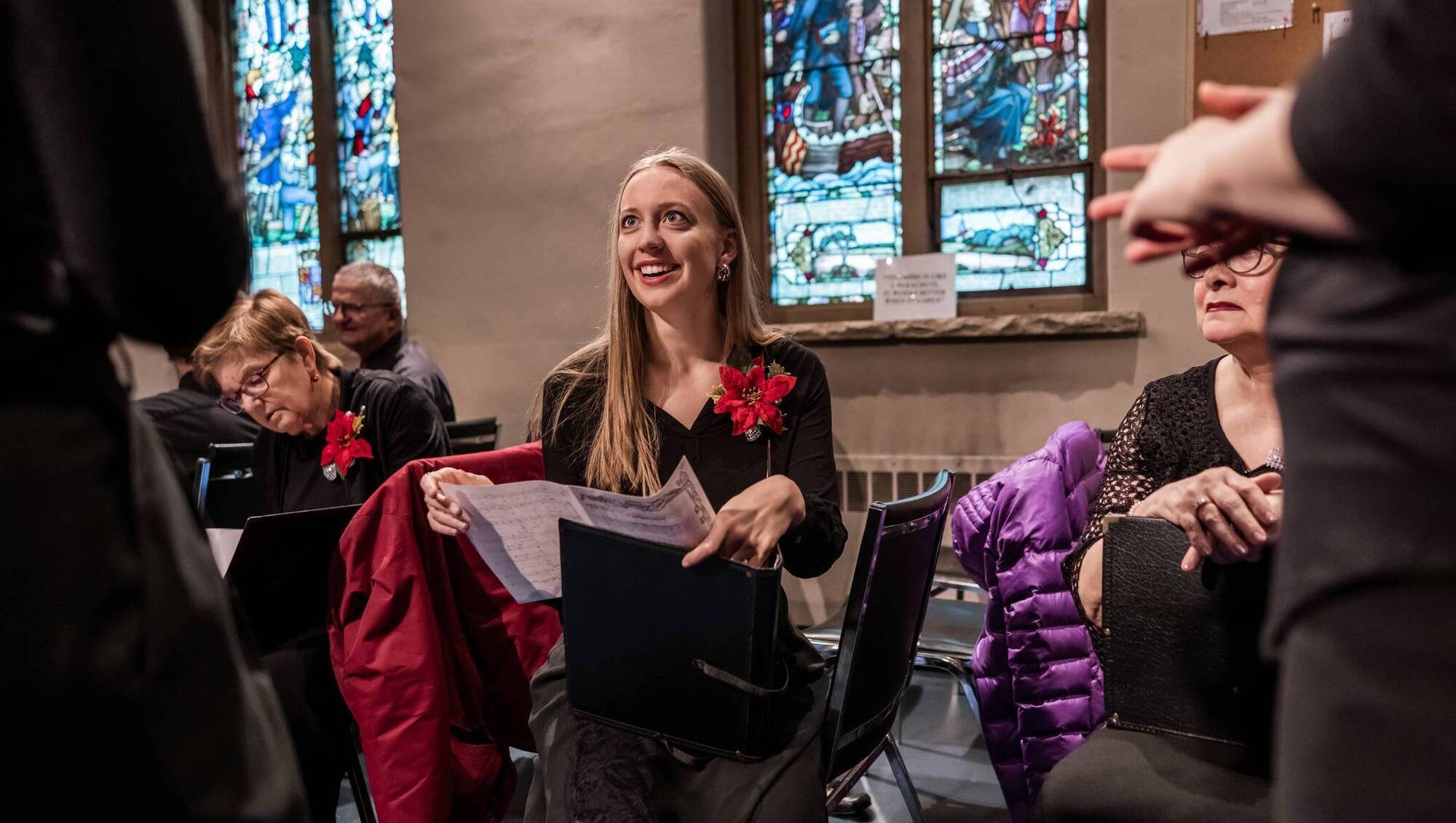
More than just singing - being part of a choir creates lasting friendships and connections
It's the time of year when choirs come into their own. Voices rising in unison, singing our favourite Christmas carols, and sending feel-good vibes into the air.
But what is it like to be part of a choir of people, singing in harmony, blending to produce one beautiful performance?
Eithne Hunt, an occupational therapist and college lecturer at University College Cork, joined the UCC choir over 20 years ago. “I love listening to music. I didn’t learn an instrument or learn to read music when I was growing up, but I still found the idea of being in a choir very appealing. When a notice went around on our staff emails in 2004 from a colleague who was interested in starting a staff choir, I went along. And I’ve been involved since.”
For Hunt, singing was what originally drew her to the choir, but “the social experience of being in the choir and the people that I’ve met through it is what has kept me here over the past 21 years”.
Through the choir, Hunt has made lasting friendships. “We all tend to sit in the same place every week. I’m a soprano, so I sit with the other sopranos, and you get to know people and become friendly. You get to know what’s going on in the lives of the people that you’re sitting alongside — that can be experiences like family weddings and babies being born, but also illness and bereavement. We’ve lost members of our choir as well. It feels like all the parts of life are experienced through our choir.”
For Avril O’Donnell, an alto in the UCC choir, “[the choir] fosters friendships and a sense of community across the generations. It provides a shared sense of purpose, especially for people who are retired from work or living alone. It helps people to feel part of something larger than themselves — it’s more than the music.”
Humans are wired to connect through shared action, explains Dublin-based psychologist Nataliya Laine (webdoctor.ie) “When people sing together, a few things happen almost instantly. Our bodies fall into sync, their breathing begins to line up, their heart rates can rise and fall together, and they naturally match rhythm and phrasing. This physical synchrony helps people feel in tune with one another.”

Music has a unique way of lifting spirits, explains Prof Yvonne Nolan, director of anatomy and neuroscience at UCC. “Dopamine is released in the striatum region of the brain, especially when experiencing emotional moments in music, such as feeling a ‘chill’. Dopamine is a feel-good neurotransmitter that is involved in regulating emotion. It brings about feelings of pleasure, contentment, as well as boosting motivation.”
Other biological factors are at play, says Nolan. “Studies have reported changes in oxytocin in those engaging in group activities like a choir, which may explain the feelings of togetherness and connections that come from singing together.
“Oxytocin is a social bonding hormone, often called the ‘cuddle hormone’ because of its role in parent-infant bonding.
“Singing also releases endorphins, which are peptides that increase feelings of wellbeing and block the perception of pain. Endorphins are commonly released during social interactions that involve synchrony, like choral singing, to promote social and emotional connections.”
The benefits of singing in a choir seem to go on and on.
Laine says choir friendships can grow “because singing together requires a gentle kind of vulnerability. You’re using your voice and trusting others to blend with you, support you, and sometimes carry you. Everyone is offering a little piece of themselves, and that shared openness creates a bond.”
The UCC choir comprises members of various backgrounds. “We have people working in high-power jobs in the university alongside people who may not work at all. We have students and we have carers,” says director of the UCC choir, Eva McMullan-Glossop, who works to create an inclusive environment.
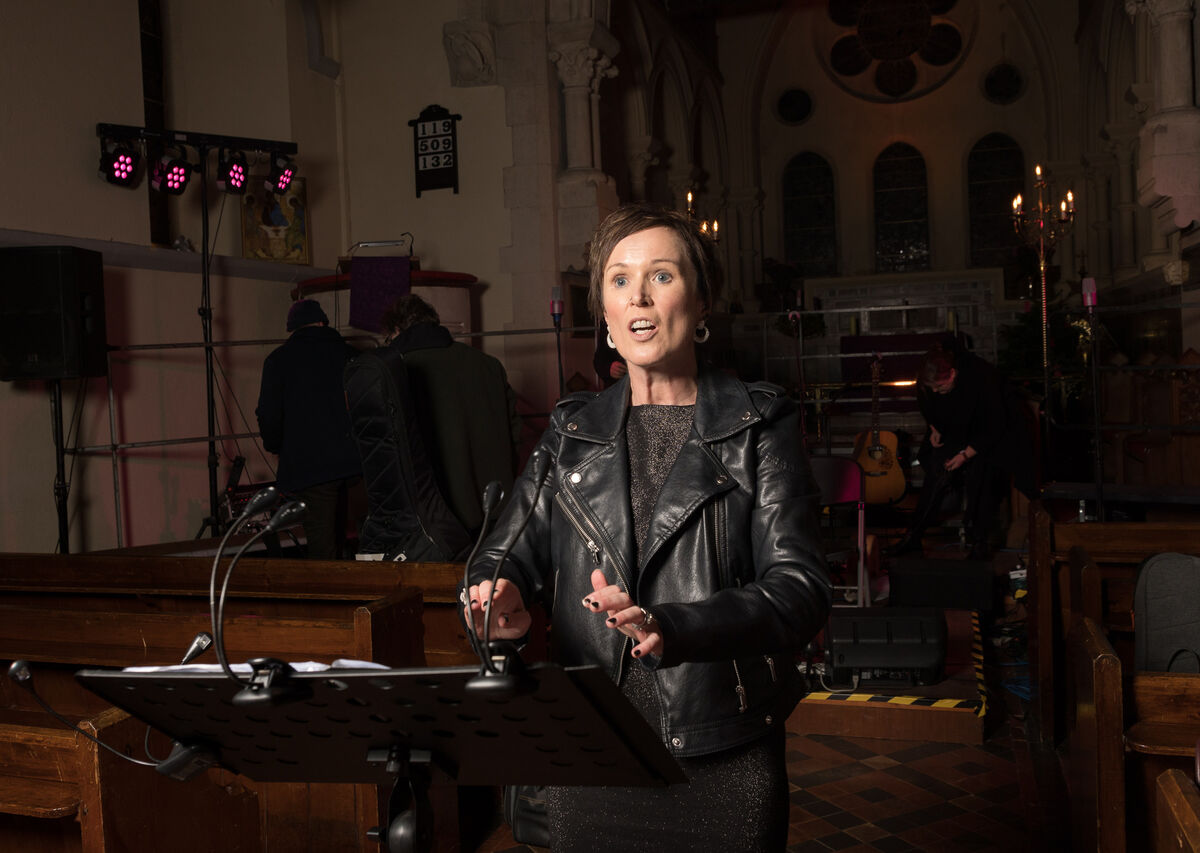
“People join choirs for very different reasons. Some join for the singing and the music. For some, it might be their only outlet, and some join purely for the social aspect. Each reason is as valid as the next. I want everybody to get what they want out of being part of the choir, and they feel they’re contributing to something really valuable. That’s why I don’t hold auditions, because I’ve seen firsthand the value that people bring to the choral arena, not only with their voice, but the other things that people can bring, like their life experience and personality.”
The UCC choir has become renowned for its collaborations with well-known singers such as Paddy Casey, Pat Spillane, and The Frank and Walters, and for its work with schools and communities in Cork, including Down Syndrome Cork and Glasheen Boys School.
“We have a very strong community outreach, and music in the community is a really important part of what we do, and I love that side of being in the choir,” says Hunt.
For anyone thinking about joining a choir, who may not consider themselves a singer, she says, “Give it a lash”.
“Try not to be self-conscious. Sometimes we think, ‘Oh my goodness, everybody’s going to be looking at me. But I don’t think that’s the case. There are so many choirs out there; take your time and find one that suits you. There’s no doubt you’ll get something out of it.”

CONNECT WITH US TODAY



Be the first to know the latest news and updates