Born without a womb: 'It may take time to adjust, but you’re still you'
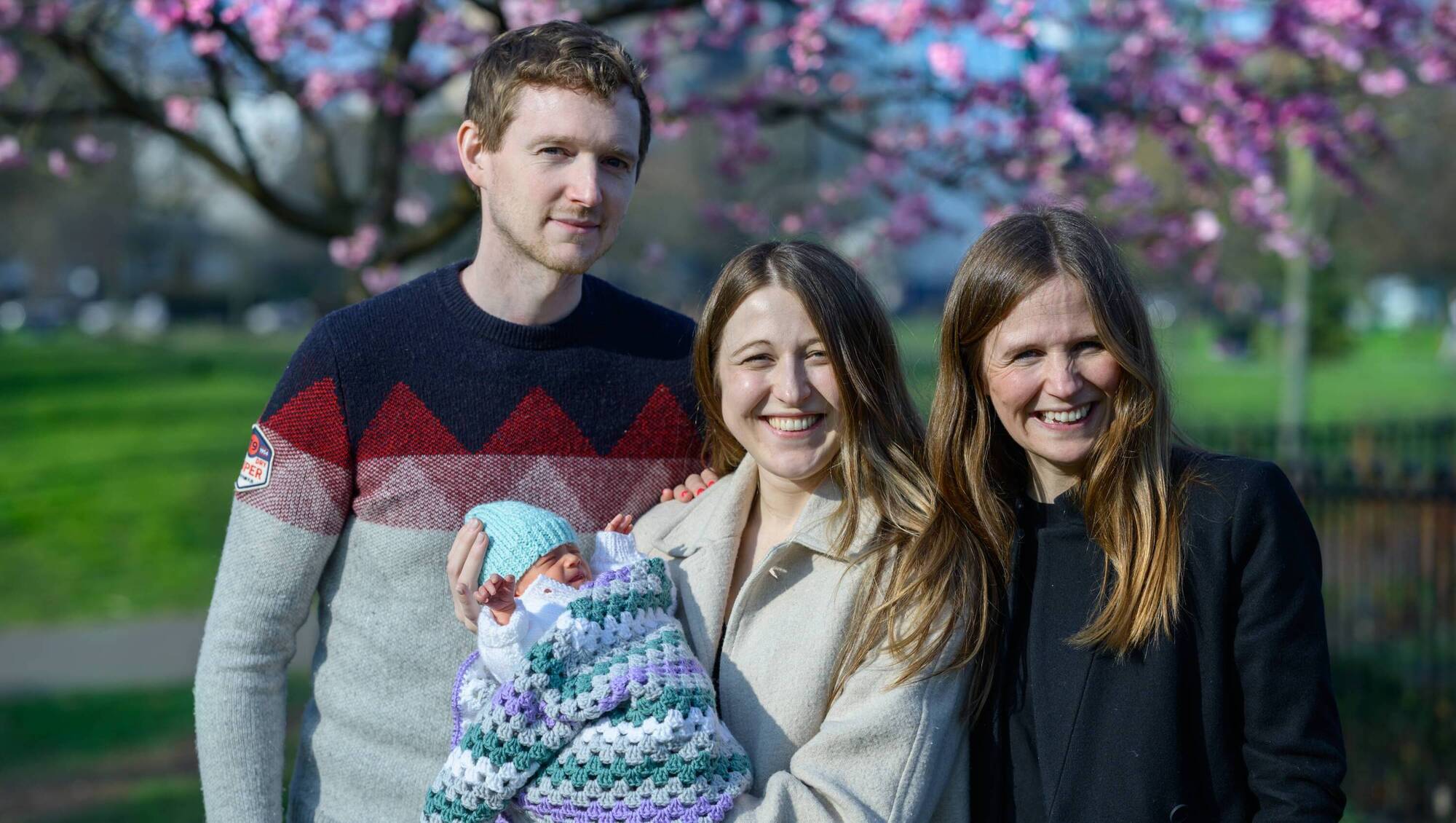
Grace Davidson, with husband Angus and baby Amy Isabel and sister Amy, is the first woman in Britain to give birth after a womb transplant. Picture: Joe Daniel/PA Wire

Her GP referred her to a gynaecologist and a follow-up MRI found that she had no womb.
MRKH patients are informed about the physical implications of the condition.

Disclosing their diagnosis isn’t always easy, either. According to Carroll, this can require overcoming two significant barriers. Firstly, there’s the fact that many people are shy or embarrassed about discussing their bodies. They don’t have much experience of doing so and can consequently lack the vocabulary required to talk about MRKH.
Secondly, they are likely to be worried about how the other person might react, particularly if that person is a romantic partner with whom they hope to be physically intimate.
She found it difficult to form romantic relationships, because she felt uncomfortable in her own body.
“I became withdrawn and felt like I was on the outside looking in,” she says. “I still did the usual things — going to school and college, spending time with friends, and playing sports — but I didn’t enjoy it. And I found it impossible to talk about MRKH. I didn’t know who would understand how I was feeling.”
She eventually found Facebook groups and attended support days in Britain and the US. They proved to be transformative for her.
“I didn’t have to explain myself to these people,” she says. “They got it — I no longer felt so alone. I’ve since made great friends within that community and they have helped me become more confident and comfortable in my body.
Aware that the psychological toll of MRKH is compounded by the isolation many sufferers feel, the team at the Rotunda now organise an annual MRKH support day in Ireland. The next one is scheduled to take place on September 26.
This is not the only support the team offers to MRKH patients. Their multidisciplinary service includes gynaecology, fertility, genetics, nursing and midwifery, and clinical psychology.


A womb transplant isn’t the only way people with MRKH can have a biological child. Because most people with MRKH have functioning ovaries and a normal egg reserve, IVF can help them create embryos. Those embryos can then be transferred to a gestational surrogate to carry the pregnancy.
Deegan would like for it to be made easier for people with MRKH to access these alternative routes to parenthood.
Browne adds that her wish is for those who are diagnosed to realise that MRKH does not define them. “This diagnosis doesn’t change who you are,” she says.
- * Name has been changed