Should we all consider getting vaccinated against HPV?
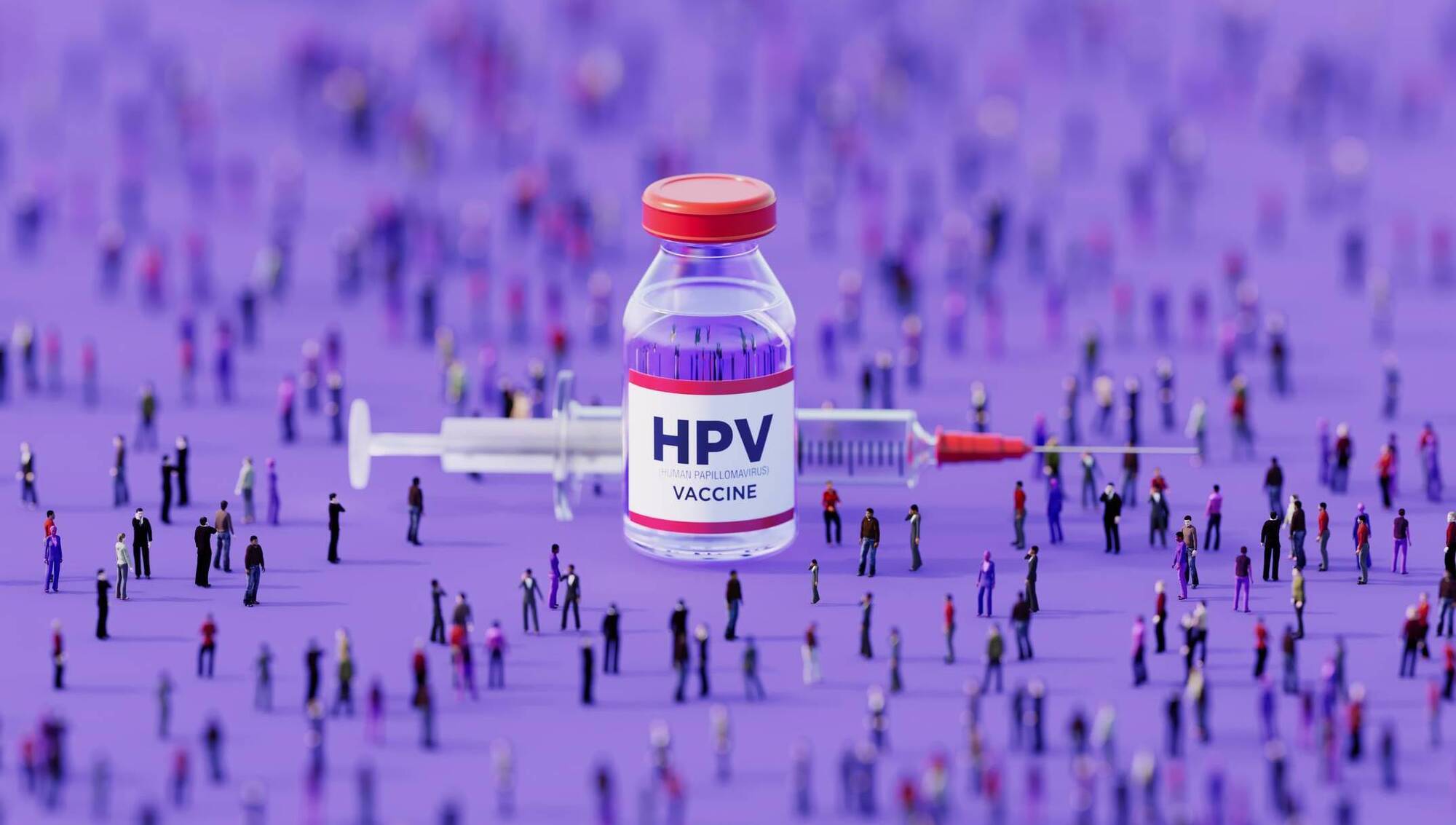
The free vaccination programme aims to make HPV-related cancers rare.
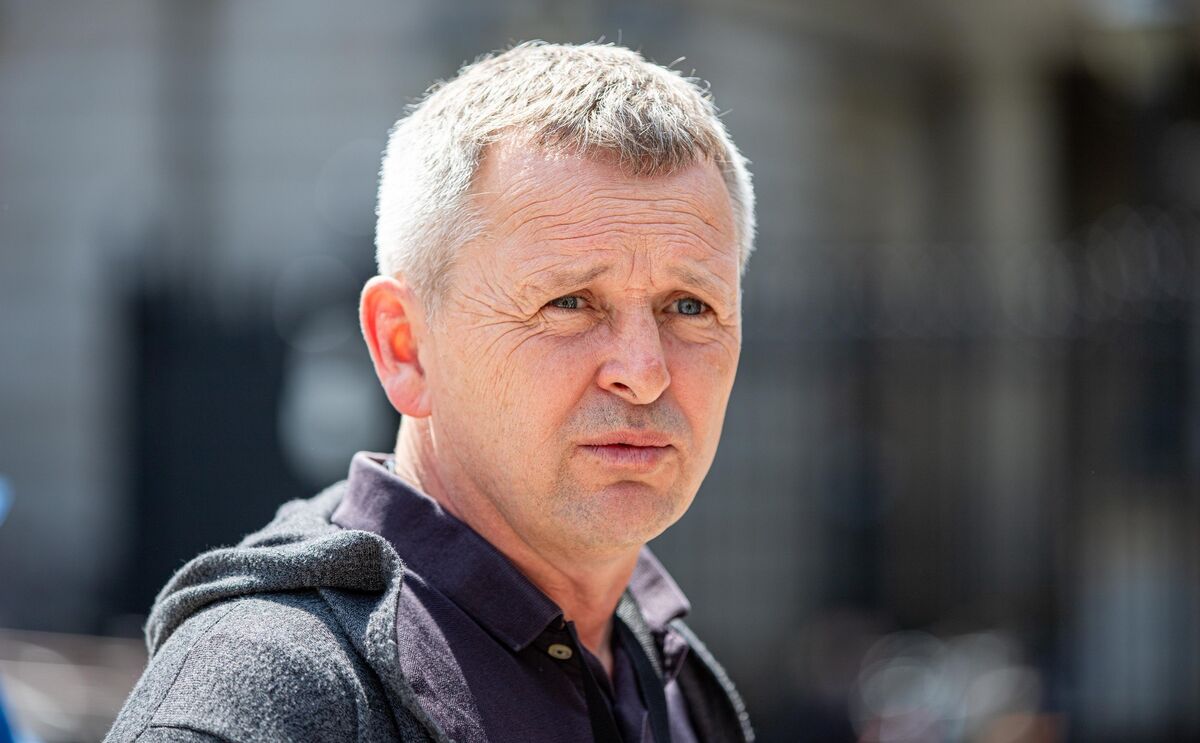
Politician Richard Boyd Barrett made headlines last week when he announced that he was stepping back from politics to undergo treatment for HPV-related cancer.
Speaking on the Today with Claire Byrne show on RTÉ Radio 1, the People Before Profit TD described how he noticed swelling in his neck while he was shaving last October. He went to see his GP and was diagnosed with cancer of the throat. He is taking time out from politics to undergo treatment that includes radiotherapy and chemotherapy, and expects to make a full recovery.
What exactly is HPV? We asked Cara Martin, an associate professor of molecular pathology, tumour biology, and cancer screening at Trinity College Dublin and the co-lead of the CERVIVA consortium, which focuses on the early detection and prevention of cancers caused by HPV.
“The human papillomavirus is a family of viruses passed by skin-to-skin contact, particularly during sex,” she says.
“It’s very common and most sexually active people contract some form of it at some stage of their lives. But, in most cases, their immune system clears it without the person ever being aware they had the virus.”
There are over 150 kinds of HPV, most of which are harmless. “But some — such as HPV type 16 and type 18 — are known to persist,” says Martin. “Over time, they can damage the DNA in our cells, which can result in cancer.”
According to the National Cancer Registry, an estimated 640 cases of HPV-associated cancers are diagnosed in Ireland every year, with some 200 people dying from them annually.
“HPV can cause six different cancers,” says Professor Sinead Brennan, a consultant radiation oncologist at St Luke’s Hospital in Dublin. “Cervical cancer is the most common and the others are cancer of the mouth and throat, vulva, vagina, penis, and anus.”
Men at risk, too
Regular public-awareness campaigns remind women to take part in the HSE’s CervicalCheck programme, which screens for cervical cancer. Martin believes this may be part of the reason why there’s a common misconception that HPV infection is only a concern for women.
“Women may be the only ones who get cervical cancer, but men need to know that they can develop three out of the other six HPV-related cancers,” Martin says.
The best protection against all six of these cancers is the HPV vaccine. It was introduced in Ireland in 2010 and is free of charge for all students in their first year at secondary school. Martin states that if we get 90% or more of our boys and girls vaccinated, HPV-related cancers will become “increasingly rare”.
Bernie Carter is the assistant director of nursing at the Marie Keating Association and raises awareness of HPV.
Other countries are trying to reduce their rates of HPV-related cancers. “Australia is leading the way internationally, because of their high uptake of the HPV vaccine, which is free to everyone up to 19,” Carter says. “In the US, HPV vaccination is routinely recommended at age 11 or 12 and offered up to age 26. And in Britain, everyone can get the vaccine for free up to 25.”

While boys and girls in Ireland are offered the vaccine for free in the first year of secondary school, an effort was previously made to offer it to an older age cohort. The Laura Brennan HPV Catch Up Programme offered free vaccinations to all males up to the age of 21 and all females up to the age of 24. However, this programme was discontinued in 2023.
The Irish Cancer Society would like to see it reinstated. “We know that the vaccine works really well in stopping the spread of HPV and saving people from a heartbreaking diagnosis of HPV-associated cancer,” says its CEO, Averil Power.
“The Government stated its intention to bring back the programme in its Programme for Government, and we believe this should start as a matter of urgency and be available as an option for young people on an ongoing basis.”
Carter believes there could be a case for offering the vaccine to an even older age group.
“A US study followed 3,253 women aged 27 to 45 for an average of three and a half years and showed that the vaccine was 88% effective in the prevention of persistent HPV infections, vulval and vaginal pre-cancerous lesions, cervical pre-cancerous lesions, and cervical cancer related to HPV types covered by the vaccine,” she says.
“The US Food and Drug Administration approved the use of the vaccine for women aged up to 45 years, based on these results and other data.”
Vaccine eligibility too limited?
Some high-risk groups in Ireland are offered the vaccine beyond their teenage years. The national immunisation advisory committee has recommended that gay men be given the vaccine up to the age of 45.
“This includes men who are living with HIV,” says Carter. “The vaccine is available to them through many pubic STI and HIV clinics in Ireland. It’s also available for free to Irish women who are living with HIV up to the age of 26.”
Is it a mistake to limit the vaccine to young teens and certain high-risk groups? Martin explains the two reasons why the Irish health service decided on this plan of action.
“One is that the vaccine works best if given before the onset of sexual activity,” she says. “It doesn’t protect you against HPV infections you already have and older people are likely to have already been exposed.
"The other reason is that the immune system is stronger when you’re young, making this the optimal age to vaccinate. Younger people only need one dose of the vaccine, whereas older people need two or three doses to be effective.”
If you are worried about your risk of cancers associated with HPV and you are no longer a teenager and don’t belong to an at-risk group, it is possible to pay for a HPV vaccine. However, it’s not cheap, at up to €230 per dose, and with multiple doses likely to be necessary.
“If you have concerns, I’d recommend talking to your healthcare provider,” says Martin. “They will advise you whether the vaccine might be beneficial for you or not.”
Vaccine or no vaccine, we can minimise our risk of HPV infection and HPV-related cancers. “Practising safe sex will prevent you from contracting many HPV infections,” says Martin. “Smokers are advised to stop smoking. And women should keep up to date with their cervical screening checks.”
Awareness of symptoms is equally important. “These vary, but no one should ignore any symptom that persists for three weeks or longer,” Brennan says. “For throat cancer, symptoms might include swelling, a lump, a persistent sore throat, or difficulty swallowing.
"In the case of other cancers, watch out for lumps or bumps, abnormal discharge or bleeding, itching or pain. Go to see your doctor if you have any of these.”
HPV-related cancers tend to respond well to treatment, adds Brennan. This is good news for Boyd Barrett and the others who are likely to be diagnosed this year.
CONNECT WITH US TODAY
Be the first to know the latest news and updates