Natural Health: I'm in my early 40s, what can I do about my osteopenia? 
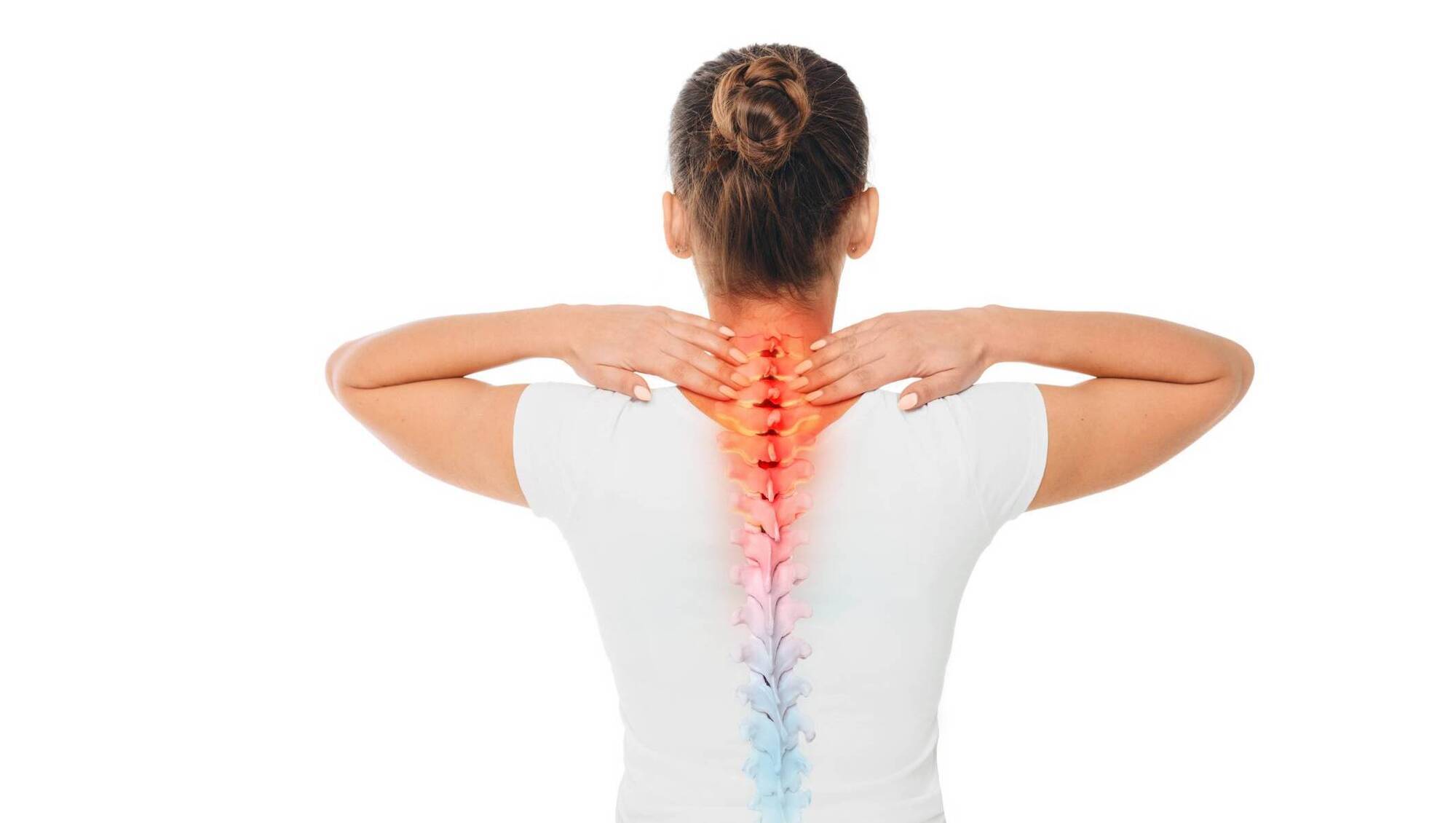
Our bones are living tissue directly affected by diet and exercise.
Natural Health: I'm in my early 40s, what can I do about my osteopenia? 

Osteopenia, known as bone thinning, is a precursor to osteoporosis.

I’m in my early 40s and was recently diagnosed with osteopenia in my spine. It did not come as a total surprise, as my periods stopped for five years in my 20s due to a strict exercise and diet regimen. I’m following my GP’s recommended lifestyle changes, including taking vitamin D and calcium supplements. What else can I do?

Osteopenia, known as bone thinning, is a precursor to osteoporosis.

Along with taking calcium for bone health, a host of minerals are necessary for strong and dense bones. Vitamin D is crucial for the absorption and utilisation of these minerals.

Most people consider their bones to be solid and lifeless structural components of the body, but they are living tissue directly affected by diet and exercise.

Cells known as osteoclasts continually break down old bone tissue, while osteoblasts stimulate the growth of new bone tissue. After age 30, bone tissue is absorbed faster than it is formed.

By eating a healthy diet and supplementing with calcium and vitamin D, you are off to a great start.

Add magnesium, applied topically to your spine, and take it as a dietary supplement, and you will be laying a strong foundation for improving your bone health.

No doubt your doctor will have already discussed the importance of getting essential fatty acids (EFAs) through diet and supplementation.

Your diet should be high in fresh fruit and vegetables, and you can get EFAs from nuts, seeds, fatty fruits, and oily fish to build and maintain healthy, strong bones.

It’s just as important to limit foods that inhibit the uptake and absorption of calcium.

The worst offenders include excessive meat, salt, alcohol, and processed foods.

Also, watch out for foods high in oxalates, which can interfere with calcium absorption.

Regular walking, stair climbing, and exercising with a rebounder (similar to a mini trampoline) are excellent ways to help improve bone density.

As always, consulting with your doctor before undertaking specific exercises is essential.

The skin on my finger joints is rough and sometimes splits, which is painful. Is there a salve you could recommend?

Remedying rough and splitting skin on hands can be challenging since we constantly use and wash them.

Exposure to water further dries out the skin, meaning topical solutions must be reapplied regularly.

One of the best workarounds is establishing a nightly routine of applying a nourishing salve and then putting on cotton gloves afterwards to help it soak in and deeply repair the skin.

Skin Saviour Salve from Dublin Herbalists is ideal for this job. It contains calendula and chickweed to soothe, nourish, and heal the skin and beeswax, forming a protective breathable barrier as the salve works its magic. It costs €15 for a tube (www.dublinherbalists.ie).

It is equally important to nourish your skin from within by including healthy fats in your diet.

As I mentioned in the previous reply, essential fatty acids (EFAs) through food and supplementation are important when dealing with rough, dry, and splitting skin.

Taking a daily collagen supplement will also help restore moisture and elasticity to the skin.

Collagen is even more effective when taken with vitamin C, so make sure you are getting plenty in through your diet or taking a vitamin C supplement.

If you are supplementing, you will want to take at least 3,000mg daily in 500mg increments.

NOTE: The information contained in this column is not a substitute for medical advice. Always consult a doctor

More in this section

Lifestyle

Newsletter

The best food, health, entertainment and lifestyle content from the Irish Examiner, direct to your inbox.

Cookie Policy Privacy Policy Brand Safety FAQ Help Contact Us Terms and Conditions

© Examiner Echo Group Limited