An underactive thyroid can fly under the radar - here's how to spot the symptoms

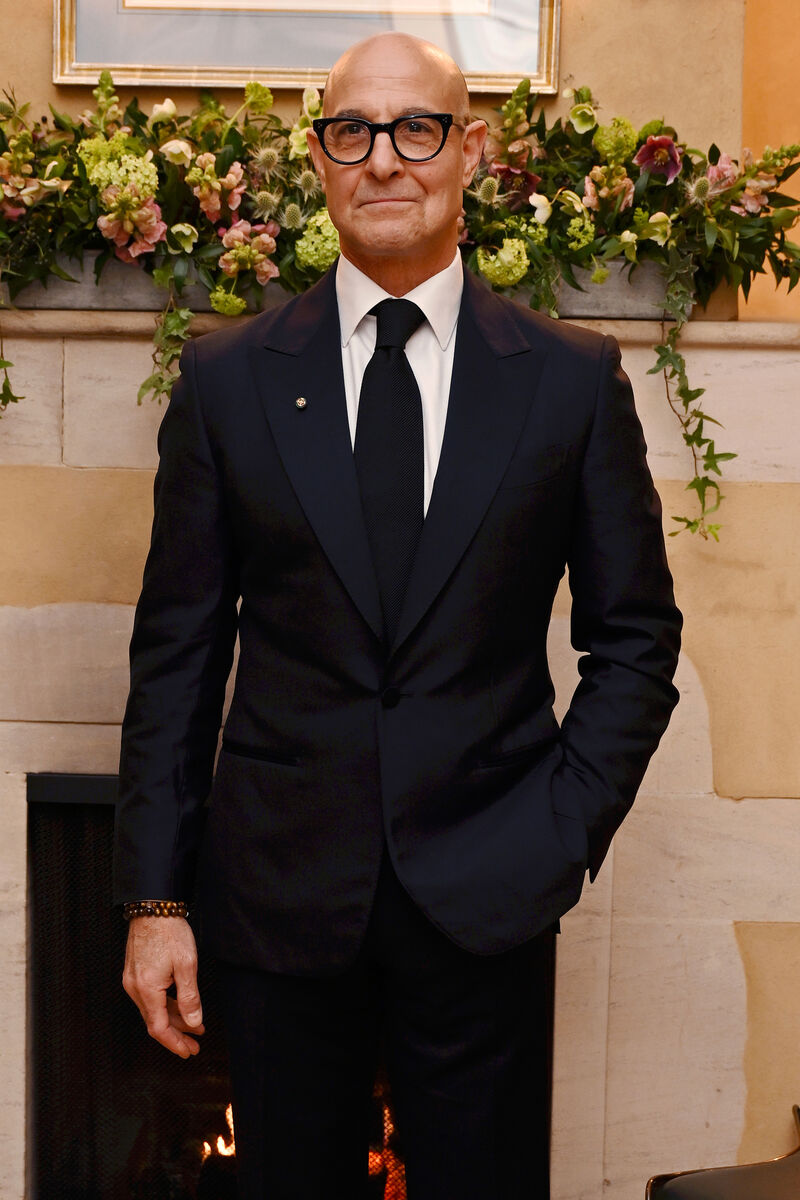
Hollywood actor and author Stanley Tucci underwent high-dose radiation and chemotherapy after a tumour was discovered at the base of his tongue in 2017.
Hollywood actor and author Stanley Tucci recently shared his experience with thyroid issues on David Tennant’s podcast.
The 64-year-old underwent high-dose radiation and chemotherapy after a tumour was discovered at the base of his tongue in 2017. He spoke openly on the podcast about how several years after treatment, while filming in Italy in 2024, he began noticing a significant drop in his energy levels.
Speaking on , Tucci said: “I would be so tired in the afternoon, like completely exhausted by one o’clock and I was like, something’s wrong with me.
“Finally, I had a blood test and I was like, I know something’s f****** wrong with me. My thyroid was non-functioning.”
An underactive thyroid can often fly under the radar, so we spoke to some experts who explain what it is, and common symptoms to look out for.
According to the HSE website, the thyroid gland is a small butterfly-shaped gland in the neck, just in front of the windpipe.
The website also states that one of its main functions is to produce hormones — triiodothyronine (T3) and thyroxine (T4) — that help regulate the body’s metabolism.
“An underactive thyroid (known as hypothyroidism) is where the thyroid gland doesn’t make enough of the hormones,” explains Dr Natasha Fernando, a GP.
“Thyroid hormones affect every cell in your body. If levels are too low, your body’s functions slow down, including your metabolism, and you may experience unwanted symptoms.”
The cause of an underactive thyroid can be primary, secondary, or tertiary.
“Primary hypothyroidism is when the thyroid gland is unable to produce enough thyroid hormone, typically due to damage,” says Fernando. “An autoimmune disease often causes this damage, but other culprits include thyroid cancer and thyroid surgery.”
Radiation treatment to the neck, such as what Tucci underwent, can also impair thyroid function.
“Secondary and tertiary (also known as central) hypothyroidism is when the thyroid functions normally, but there may be a problem with the pituitary gland or hypothalamus,” explains Fernando.
“Typically, there are reduced amounts of thyrotropin-releasing hormone (TRH) and thyroid-stimulating hormone (TSH), which causes the thyroid to make too few hormones.”
Hypothyroidism is mostly seen in women between the ages of 40-50 and is seen in women 10 times more often than men.
“Those more at risk of an underactive thyroid include female gender, the elderly, other autoimmune diseases, and pituitary gland which controls the thyroid function being underactive,” says GP Stuart Sanders.
In some rare cases, babies can also be born with hypothyroidism, he adds.
One of the first red flags to look out for is a general feeling of slowing down.
This may include feeling more tired than usual, feeling cold even when it’s warm, slower metabolism (weight gain despite eating the same or less), brain fog, and low mood.
“Weight gain, pale appearance, sensitivity to cold, constipation and depression are among other symptoms,” says Sanders.
Another key indicator that a person’s thyroid is out of balance is swelling, known as a goitre.
“This is where the thyroid gland swells and causes a lump at the base of the neck which will move up and down when you swallow,” explains Sanders.
“Your doctor will check for signs of an underactive thyroid, like thyroid swelling or feeling tired all the time,” says Fernando. “They will also ask you about your medical history, including any family history of thyroid or autoimmune disease.”
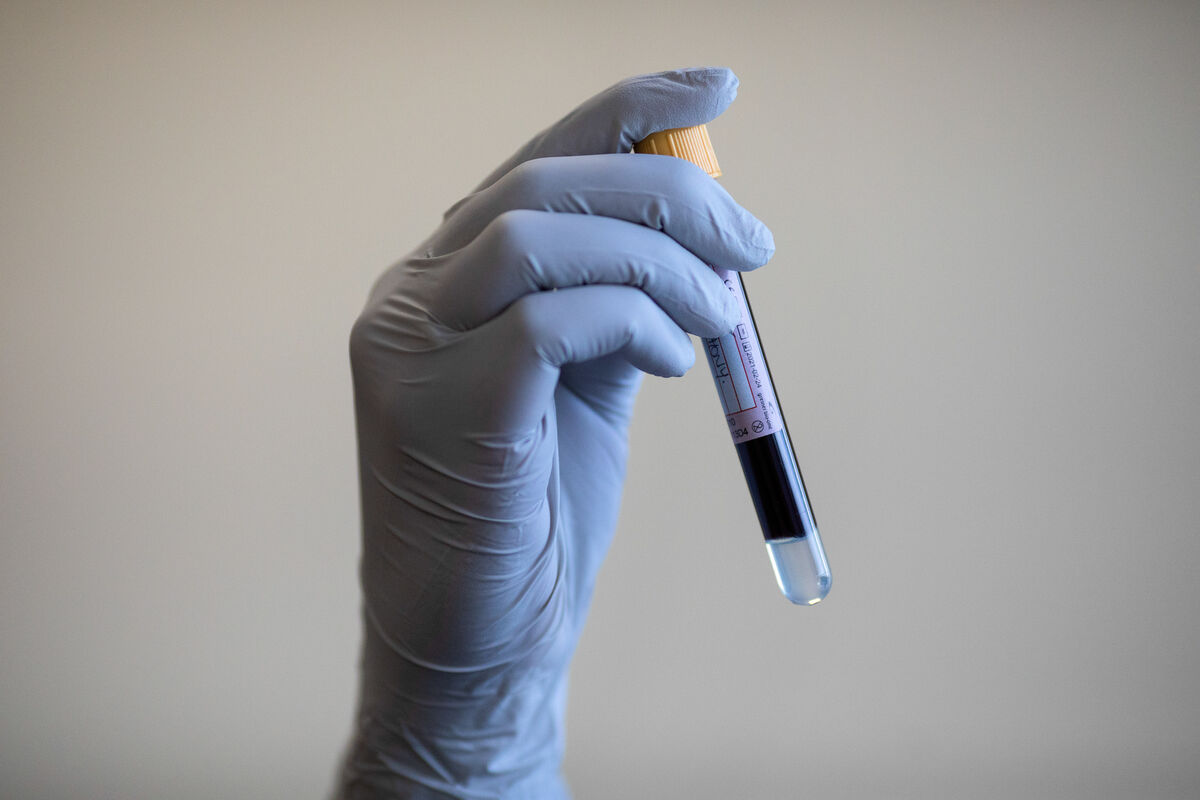
This is usually followed by a blood test.
“A blood test is the only accurate way to confirm a diagnosis of hypothyroidism,” says Fernando. “This measures your thyroid hormone levels and is known as a thyroid function test.”
According to the HSE website, this test looks at levels of thyroid-stimulating hormone (TSH) and thyroxine (T4) in the blood, and a high level of TSH and a low level of T4 in the blood could mean you have an underactive thyroid.
The website also adds that if your test results show raised TSH but normal T4, you may be at risk of developing an underactive thyroid in the future.
“In this case, your GP may recommend regular testing to monitor your levels,” says Fernando.
The standard treatment for hypothyroidism is levothyroxine. “If your doctor prescribes levothyroxine, you’ll have regular blood tests until you find the right dose,” says Fernando.
“Finding the right dose may take time. Once you’ve found it, you’ll usually just need an annual blood test to monitor your hormone levels.”
41593123[#embed4]

CONNECT WITH US TODAY



Be the first to know the latest news and updates