Five years on: Frontline workers reflect on how covid changed their lives and careers
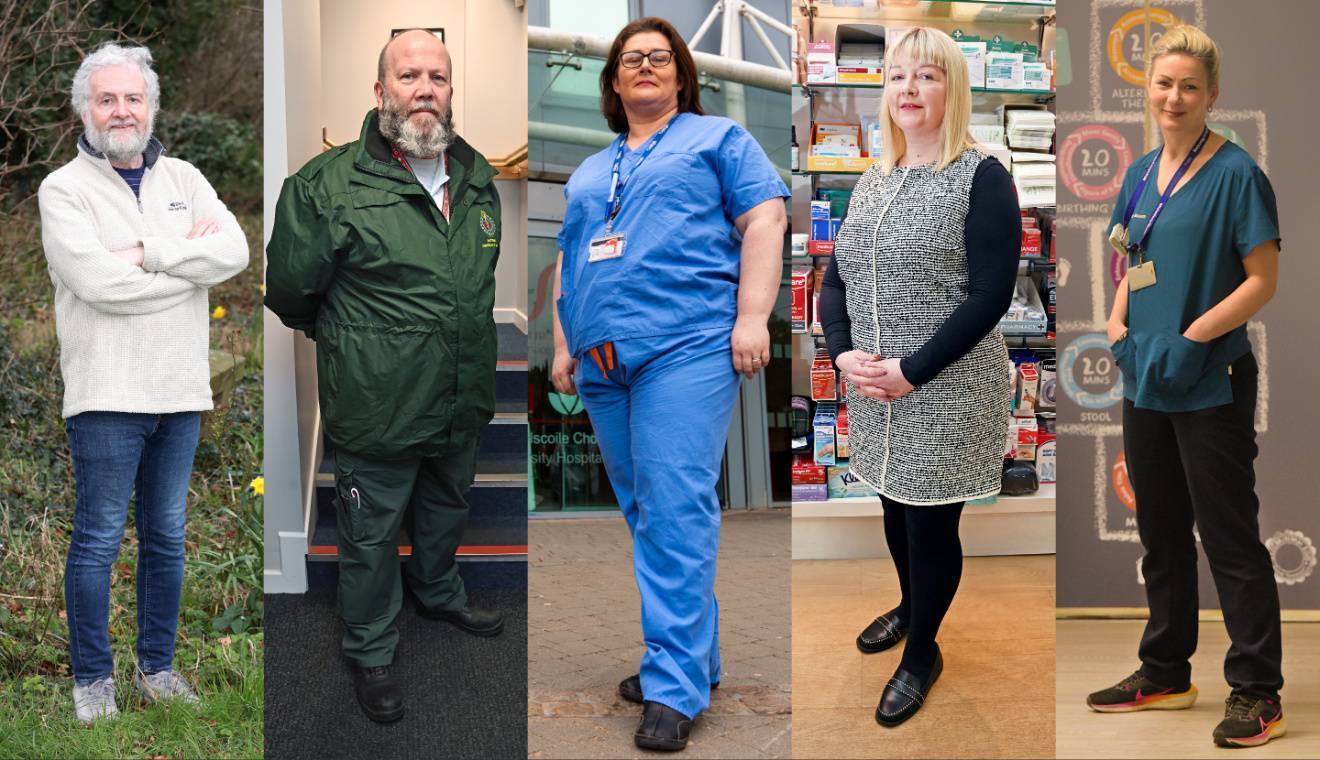
Some of the frontline workers who join us in reflecting on the five-year mark of the Covid-19 pandemic.
Cast your mind back to early 2020. Covid-19 was sweeping across the world. Nobody knew exactly how it was transmitted. Medics seemed powerless to stop it, and thousands were dying.
The first case of coronavirus was diagnosed in Ireland on February 29. The first death occurred on March 11 in CUH.
The World Health Organization (WHO) declared a global pandemic that same day.
On March 27, Ireland entered lockdown, ushering in a new era of working from home, social distancing, and older people cocooning indoors.
While most retreated from this risk, medics remained on the frontline.
They carried on treating patients, dispensing medicines and supporting worried people as covid cases continued to climb.
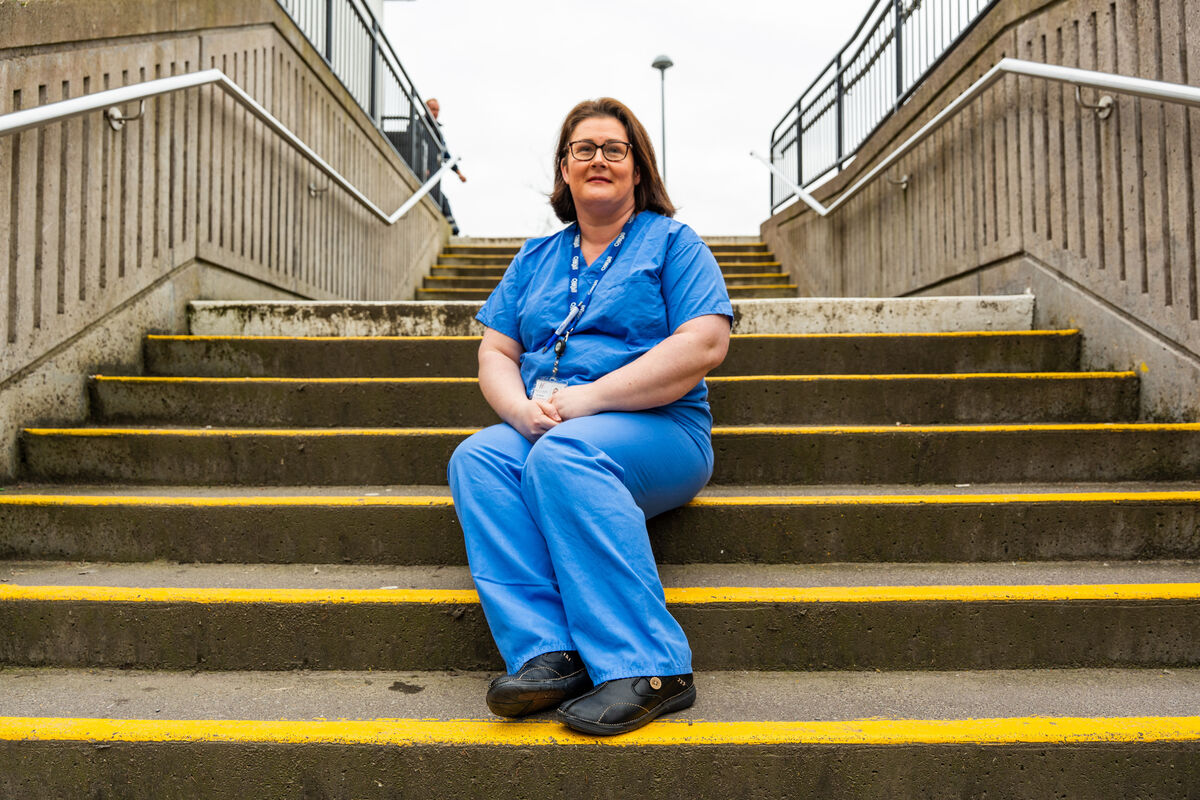
, a clinical medical nurse in Cork University Hospital’s intensive care unit (ICU), has two vivid memories of those anxious early days.
One was fear. “We saw what happened in Europe,” she says. “Our colleagues there were dying, and we thought we’d be next.”
The other was surprise at the attention suddenly being paid to to the need to increase ICU beds.
“With 255 beds available nationwide, we’d been shouting about being under-capacity for years,” says Fitzgerald. “But finally, we were being listened to.”
The number of beds in her ward increased from 14 to 22, and her workload increased accordingly. She remembers it as being intense.
“Our bed capacity may have increased, but we were constantly short-staffed due to people having to isolate when they came into close contact with the virus or having to take time off when they tested positive. I’d been working in ICU since I was 21 but covid was a different ballgame. People were sicker than ever and we had to care for them with limited staffing.”
The fact that they needed to wear personal protective equipment (PPE) also slowed the nurses down. Fitzgerald recalls being covered head to toe in plastic, which was “hot, sweaty and uncomfortable”.
That same PPE affected how they interacted with patients. Touching, eye contact and communicating through facial expressions became all but impossible.
“That was emotionally challenging,” says Fitzgerald. “And so was caring for dying patients who had to say goodbye to loved ones over the phone. Many of us are still dealing with the mental health impact of that.”
There were pressures outside of work too. Fitzgerald has three children and had no childcare. She constantly worried about bringing the virus home to her family.
She coped by relying on her colleagues. “It was so hard,” she says. “We all worked additional hours. Even when the shift went fine, by the time you handed your patients over to the next shift, got out of your PPE and showered, that added almost an hour. But we kept each other going. It made me proud to work in ICU.”
Looking back, she thinks that the biggest lesson she learned from the experience was that the HSE had the ability to adapt and change quickly when needed. “The way we all worked changed, literally overnight,” she says. “If that same energy and emphasis was put towards reducing trolley numbers, the effects could be far-reaching.”
- Picture: Noel Sweeney
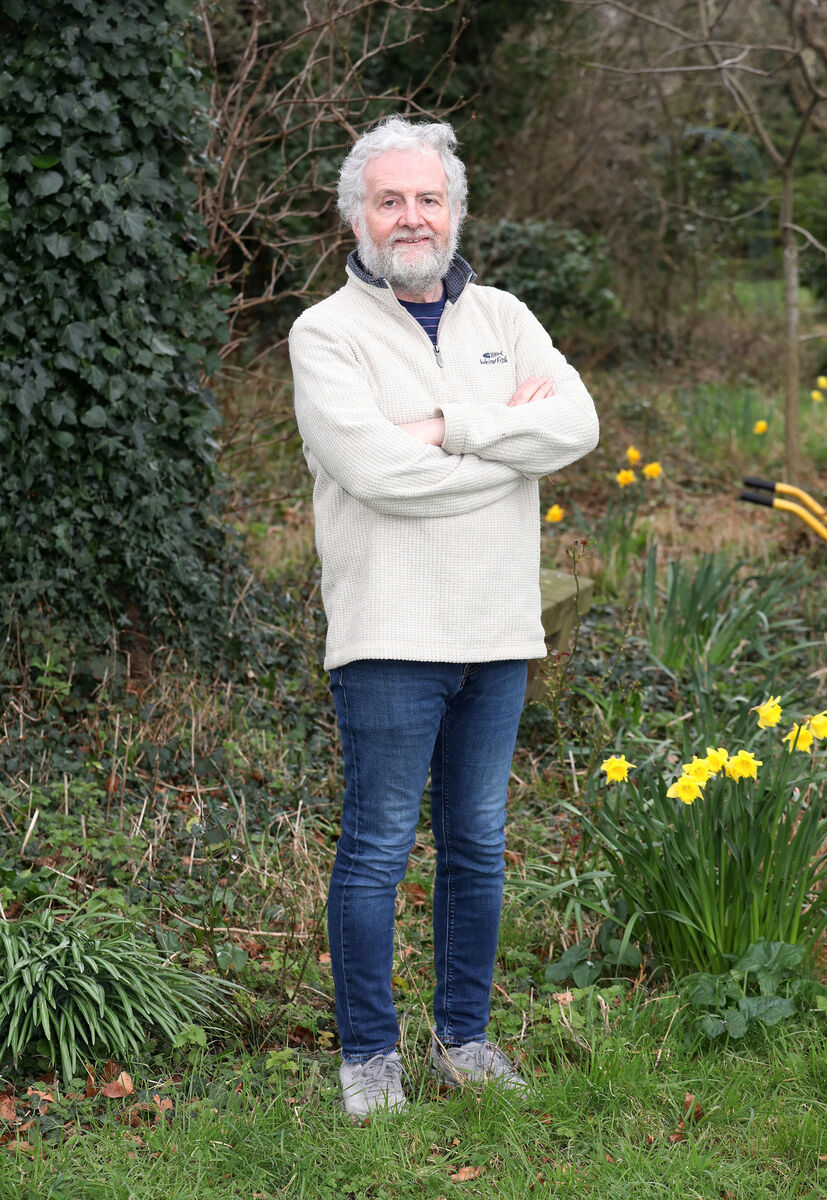
Nenagh GP had been anticipating a pandemic for years. “When I was in college 30-odd years ago, professors spoke about the Spanish Flu that hit after World War One and said it was a matter of when, not if, such a thing would happen again,” he says.
When it did happen, Harrold had to adapt quickly. “I started treating people over the phone and sheltering behind the hedges outside my clinic, he says. “I made house calls wearing full PPE. People were sick with covid but they were still getting sick with the likes of bladder infections and heart problems. We had to work longer hours and in many different ways to continue being there for them.”
One of the things that surprised him about the experience was how much he missed small talk with his patients. “As my work became transactional, with patients quickly outlining what was wrong with them and me trying to find the fastest solution to their problem so that we minimised the amount of time we spent together, I longed for idle chatter about the hurling,” he says.
He was also taken aback by the hostile stance some took to public health guidelines. After speaking to local media about the importance of wearing masks, he got attacked online.
“I even lost friends over it,” he says. “I’d never have expected that to happen.”
Yet Harrold recognises that the pandemic had positive effects. “It’s great that most doctors wear scrubs all the time now, that virtual consultations are an option, and that doctors can prescribe directly to the pharmacist without needing paper,” he says. “And people understand viral illnesses better, so there’s less pressure on doctors to prescribe antibiotics, which is good news for antibiotic resistance.”
However, he is concerned that some important lessons are being forgotten. “WHO funds are being cut and vaccine programmes discontinued,” he says. “Climate change is being ignored. If we keep wrecking the planet, nature will kick back, and we will have more epidemics, which may be worse than covid.”
- Picture: Brendan Gleeson
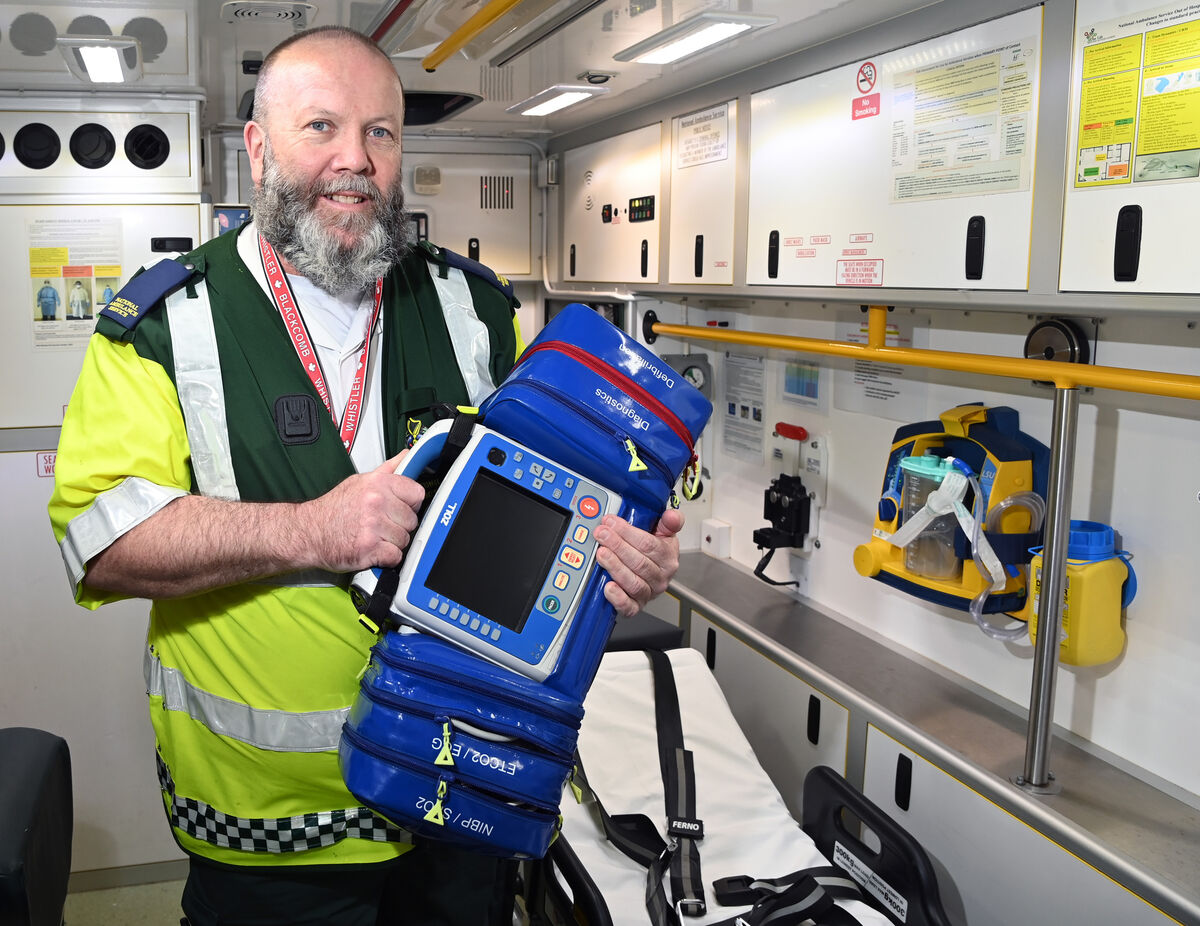
has been a paramedic in Cork City for 17 years. During this time, nothing affected him as much as the pandemic.
At the outset, when so much was uncertain, he was terrified of contracting the virus. “We were going into people’s bedrooms and taking them out of bed while they were coughing and spluttering with covid, treating them, and taking them to hospital,” he says. “You can’t get much closer than that. We did what we could to reduce the risk but the risk remained very high.”
Paramedics took precautions, including wearing full PPE, interacting only with patients when necessary, and cleaning the ambulance between patients.
“Every part of my body was covered with goggles, masks, gloves and body suits,” says Minihane. “Only one of us would go into any house and we’d try to stay out of direct contact with patients as much as possible, which was hard, especially when they were afraid and needed reassurance. We’d also clean the entire ambulance after each patient to make sure the next patient was protected from the spread of the virus.”
It’s an approach he still practices to this day. “Like a lot of paramedics, I wear more PPE now than I did pre-covid, especially if flu and viruses are circulating,” he says. “It’s all part of keeping myself, my colleagues, family, and patients safe.”
Living and working through a pandemic changed Minihane’s perspective on life. “It taught me how precious life is,” he says. “Covid swept across the world, taking so many from us. I knew some people who died. Their deaths and the deaths of many others have made me realise that I have one life and now is the time to enjoy it.”
- Picture: Eddie O’Hare
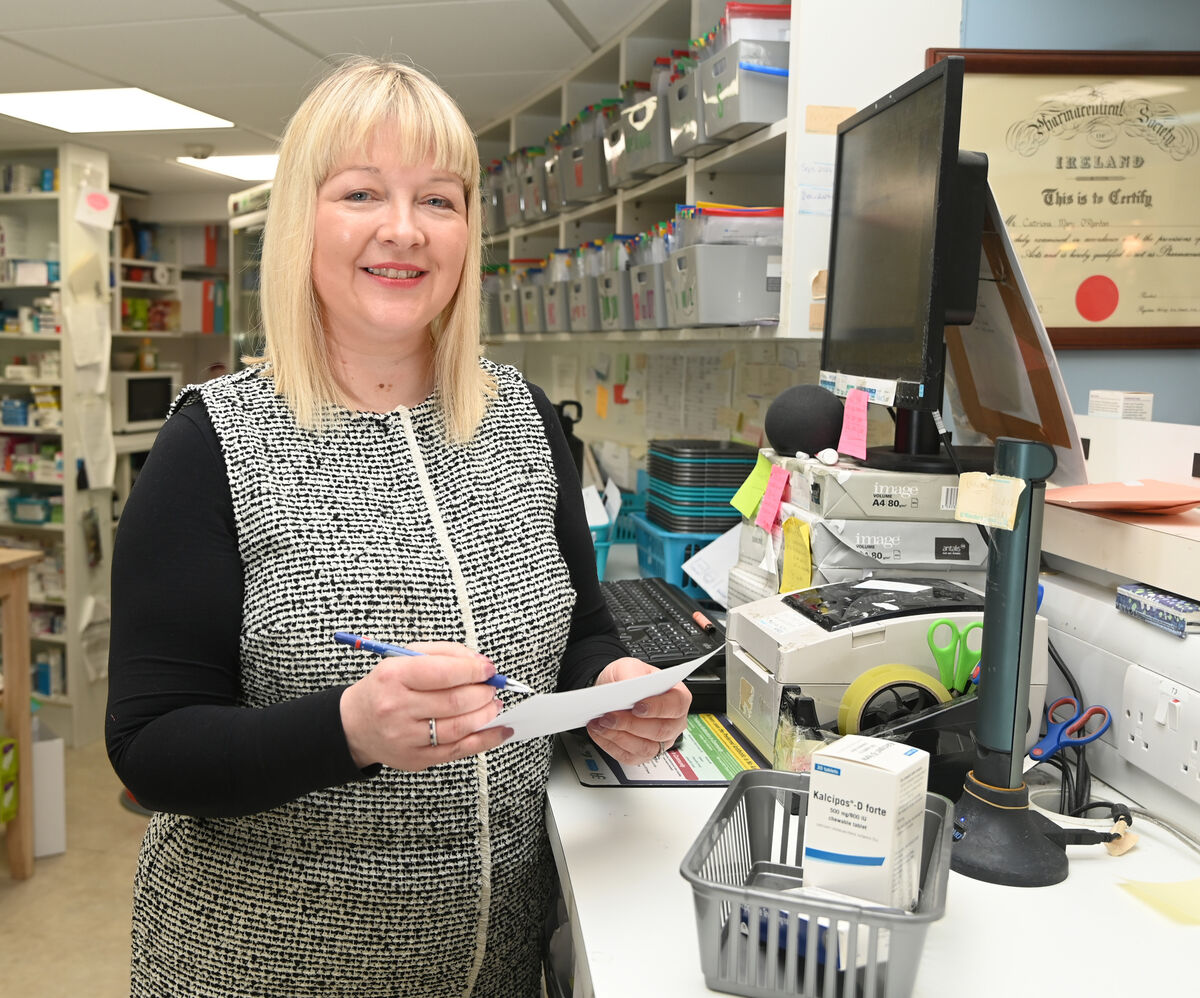
For of O’Riordan’s Pharmacy in Enniskean, Co Cork, the effect of lockdown was immediate. “People were afraid to go to hospital or their GP, and because they didn’t have to make an appointment to go to their pharmacy, that’s where they went with their ailments,” she says. “We instantly became very busy.”
She had to change her pharmacy to keep people safe and recalls an evening laying out markers on the floor to remind people to stay two metres apart.
Even though she did what she could to minimise the risk to herself, her staff, and customers, O’Riordan still feared spreading the virus to her family. “I kept away from my parents but I had three young children at home,” she says. “One night, I remember sitting in my car outside my house, wondering if I was contaminated and about to put my husband and children in danger. Those early days were so hard.”
In retrospect, she can see that there were some benefits to the experience, particularly the bond she built with her local community.
“Pharmacies remained open throughout,” she says. “We made deliveries to housebound people and consulted people over the phone and through the windows of their cars. I remember one old lady who would ring for a chat every week. It wasn’t just about providing medication but looking after our community in a time of crisis. I think the vital role we played has contributed to the Government’s current moves to further develop and support pharmacy as a profession.”
- Picture: Eddie O’Hare
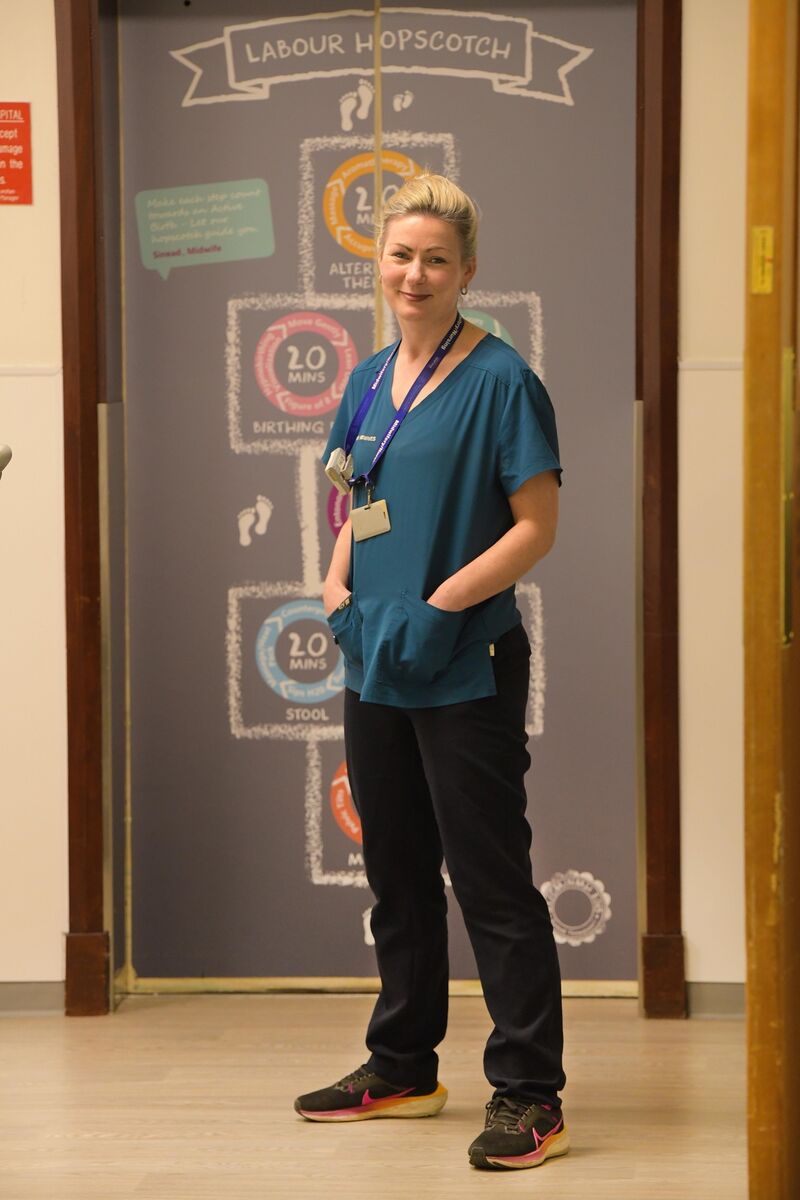
Midwife was based in the National Maternity Hospital in Dublin during the pandemic. For the first six months, she worked on an isolation ward dedicated to pregnant women and new mothers and babies who were showing signs of covid.
“At that stage, it took up to seven days to get the result of a covid test and women had to be isolated while they waited,” she says. “The period pre and post-labour is such a vulnerable time for women, particularly if they are having their first baby. As midwives, our job was to support them and do all the normal things like helping them breastfeed.”
Covid restrictions made this challenging. The midwives had to wear full PPE when interacting with the women. They couldn’t stay in the room with them for more than 15 minutes at a time.
“To top it all off, these women were also without their partners because visits to the hospital were so limited,” says Killick. “Partners were only allowed on the labour ward when women were in active labour, so they had to spend a lot of their labour alone, and even after babies were born, partners only got to spend an hour or so with mum and baby. Seeing them saying goodbye to each other at such moments was so emotional.”
Killick and the other midwives developed workarounds to the problems. “We laminated photos of ourselves and attached them to our PPE so that women knew what we looked like,” she says. “We chatted with them through windows and over the phone. And the women rallied around each other too, with second- and third-time mothers giving advice and reassurance to first-timers on the ward.”
Killick spent a lot of the pandemic feeling paranoid that she would spread the virus. She worried she would make the mothers and babies in her care sick and that she would bring covid home to her own three children.
But the moment eventually came when her anxiety melted away. It was when visitor restrictions were finally removed in 2023. “I was in the lift and two grandparents stepped in carrying a balloon,” she says. “We’d had no visitors in the hospital for so long, and this pair were so excited. It seemed like life was resuming, and joy was back in the hospital again.”
These days, Killick works as a community midwife through the Domino Scheme and looks back on the pandemic as a time when the people working in the health service showed how adaptable they were. “We were able to think on our feet and evolve as quickly as the virus did,” she says. “And we did it all while continuing to mind and support each other.”
- Picture: Moya Nolan

CONNECT WITH US TODAY



Be the first to know the latest news and updates