Workplace Wellbeing: Take care when working from dusk to dawn
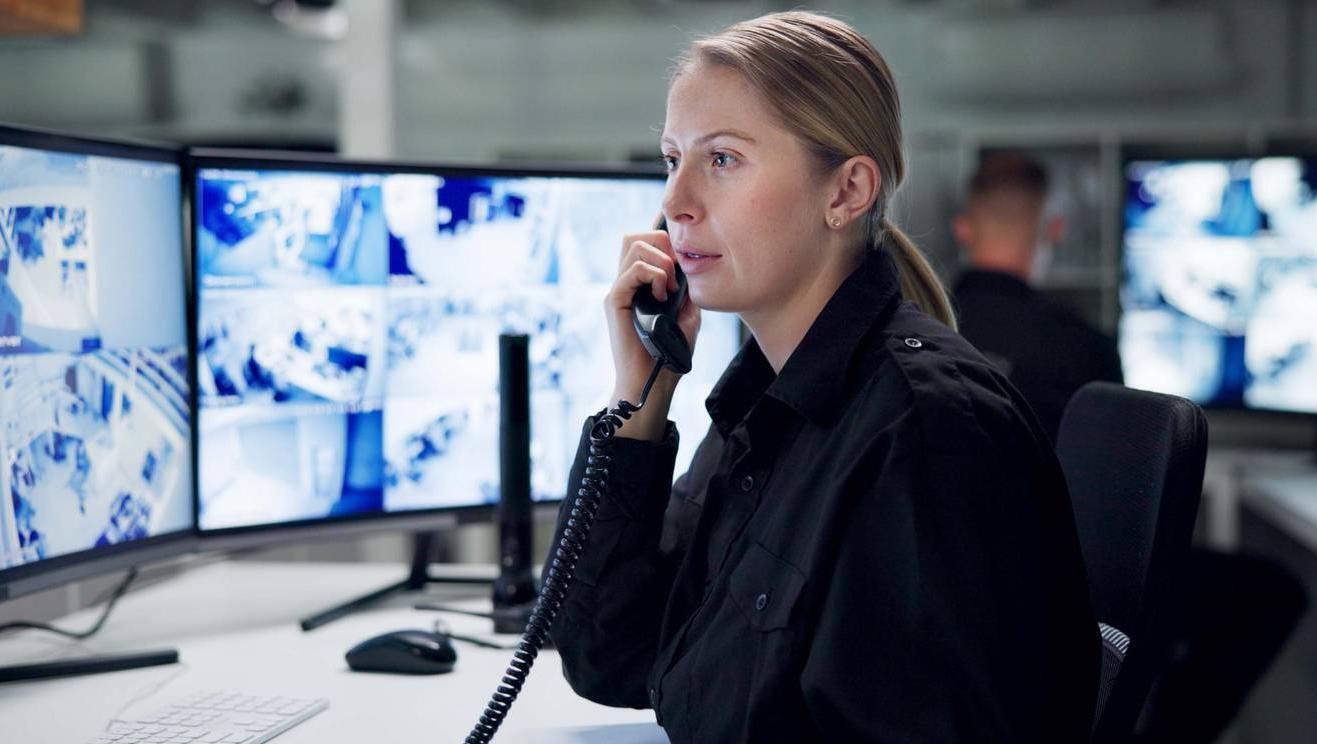
Night workers are essential to ensure services are run on a 24-hour basis, but it can come at a cost to their health and wellbeing 
Workplace Wellbeing: Take care when working from dusk to dawn

Working nights increases our risk of obesity and is associated with higher rates of both cancer and depression

Nicholas Delia lives in a different time zone to the rest of us. This isn’t because the 33-year-old from Malta has moved to a faraway country. It’s because he works nights at the Cork International Hotel.

“As the night manager, I work from 11pm to 7.15am five nights a week,” he says. “I’m awake when everyone else is fast asleep and asleep when they’re wide awake.”


Delia is a member of a growing nocturnal workforce. The 2023 Labour Force Survey found that 22.5% of employees in Ireland worked night shifts, up from 15% in 2012.

While there may be a demand for night-shift workers in emergency services, the hospitality sector, 24-hour garages, and supermarkets, behavioural neuroscientist and director of the Chronobiology and Sleep Research Laboratory at Maynooth University, Professor Andrew Coogan, points out that working in this way has health implications.

“Our circadian rhythm, which regulates our cycles of alertness and sleepiness in response to changes in our environment, can’t adjust to it,” he says. “When we work through the small hours of the night, despite our biology telling us we ought to be asleep, it takes a toll on our body. It increases our risk of obesity. It’s associated with higher rates of cancer. And it elevates the likelihood of developing mental health conditions like depression.”

Professor Russell Foster, director of the Sleep and Circadian Neuro-science Institute at the University of Oxford

Professor Russell Foster, director of the Sleep and Circadian Neuro-science Institute at the University of Oxford, shares his concerns.

“The World Health Organisation has identified night-shift work as a probable carcinogen,” he says. “Statistics show that night-shift workers are 37% more likely to have a heart attack than day workers, 44% more likely to develop type 2 diabetes and 32% more likely to have a miscarriage.”

Fatigue is another big issue. “A 2017 report found that 57% of junior doctors in Britain had been involved in an accident or come close to having one while driving, motorcycling, cycling, or walking home after working all night,” says Mr Foster.

Living at odds with the daily routines of others is another consequence of working nights, and it can adversely affect our relationships.

“It’s likely to be why the divorce rates of night-shift workers are six times higher than day-shift workers,” says Foster.

Health is your wealth

Elaine Murphy is an organisational psychologist and senior Health and Safety Authority inspector. She wants night-shift workers to know that employers have a responsibility to manage the effects of their work on their health.

“Under the Safety, Health, and Welfare at Work Regulations 2007, employers have legal duties to protect night workers,” she says.

“This involves identifying and assessing hazards associated with night-shift work, implementing measures to reduce and control them, and reviewing the effectiveness of those arrangements.

Another legal obligation for employers is to offer employees a free health assessment before they commence employment and at regular intervals thereafter.

Coogan would like to see employers doing even more.

“A healthy lifestyle can mitigate the risks of night-shift work and employers should promote this,” he says. 

“Take diet, for example. If you’re asleep during the day, it’s not easy to find time to prepare food to eat during the night. Things like offering healthy food options rather than vending machines to night-shift workers could make a big difference.”

Murphy agrees. “Individuals have a big role to play in maintaining their health,” she says. 

“Employers can encourage them in this through education and awareness-raising activities that include information on the health and safety impact of fatigue and the importance of sleep, diet, and exercise.”

When it comes to diet, dietitian and intuitive eating counsellor Jess Willow urges night-shift workers to step away from the vending machine.

“All you’ll find there are refined, processed foods that are low in nutritional value,” she says. “They won’t sustain you for long.”

She recommends a regular eating pattern based on wholegrain carbohydrates, lean proteins, fruit, vegetables, and healthy fats.

“You could combine them in a meal before work, another meal or snack during work, and another small meal before bed so that you’re not going to sleep hungry,” she says.

Instead of snacking on biscuits and chocolate, Willow recommends protein and fibre-based snacks, which make us feel fuller. 

“A handful of dried fruit and nuts, crackers with hummus or peanut butter, or Greek yoghurt with fruit and oats are all good options.”

She also recommends drinking water to maintain energy levels instead of caffeine.

“Caffeinated drinks may give you energy in the short term but that will reduce the quality of your sleep when it’s time for bed,” she says.

Taking a vitamin D supplement can help too.

“Night-shift workers are likely to be deficient in this vitamin, so they should be taking at least 15 micrograms daily,” says Willow.

Sleep is vital for dream job

When it comes to sleep, Coogan recognises it can be difficult to nod off during the day when it’s bright and likely to be noisy.

“But sleep is vital for health and we have to prioritise it,” he says. “Carve out a regular time and space that allows you to get enough.”

Blackout blinds or a sleep mask could help with this. So will avoiding alcohol. “Alcohol can help us fall asleep but it decreases the quality of sleep,” he says.

Coogan also has suggestions for maintaining energy levels during the night. “A 20-minute nap before you set off for work can help boost alertness,” he says.

“Varying work tasks between repetitive tasks and those that require concentration is a good idea too. And before you drive home, a brisk walk in the fresh air is a great way to banish sleepiness.”

Delia has developed a routine that works for him. He usually runs any errands he needs on his way home from work. Then he cooks, eats, relaxes, and showers before sleeping from 2pm to 10pm.

“I’m aware that I need to exercise, eat well, and look after my mental health,” he says. “That’s true for everyone but particularly for me because I’m going against millions of years of evolution by working through the night.”

The fact that he’s a self-avowed night owl helps. “I think it allows me to stay alert for longer,” he says. “It still gets difficult after 3pm though.”

Coogan explains there is scientific evidence to corroborate Delia’s experience. “Night owls tend to tolerate the night shift better than morning larks,” he says. 

“But they still struggle. Statistics show that only 10% of us cope well with night work. Another 10% can’t cope with it, and the remaining 80% muddle through if they have to.”

Nicholas Delia, nightshift manager at Cork International Hotel

Even Delia, who ranks himself among those who cope well, doesn’t see himself working nights for ever. “There may come a time when it no longer suits me,” he says. 

“My partner lives in the States and my working nights doesn’t affect our relationship much but that could change. For now, though, I’m enjoying work and doing my best to keep up a good quality of life outside it.”

Coogan would like to see all night-shift workers adopting a similar mentality. 

“Everyone who embarks on night-shift work, whether they are a member of the police, a security guard, or a paramedic, should do so with their eyes wide open,” he says. 

“Night-shift work is vital to society but it can take a toll on your health. You and your employer should take proactive steps to safeguard your wellbeing.”

More in this section

Lifestyle

Newsletter

The best food, health, entertainment and lifestyle content from the Irish Examiner, direct to your inbox.

Cookie Policy Privacy Policy Brand Safety FAQ Help Contact Us Terms and Conditions

© Examiner Echo Group Limited