The science behind manifesting: How to visualise an outcome to create your best year ever
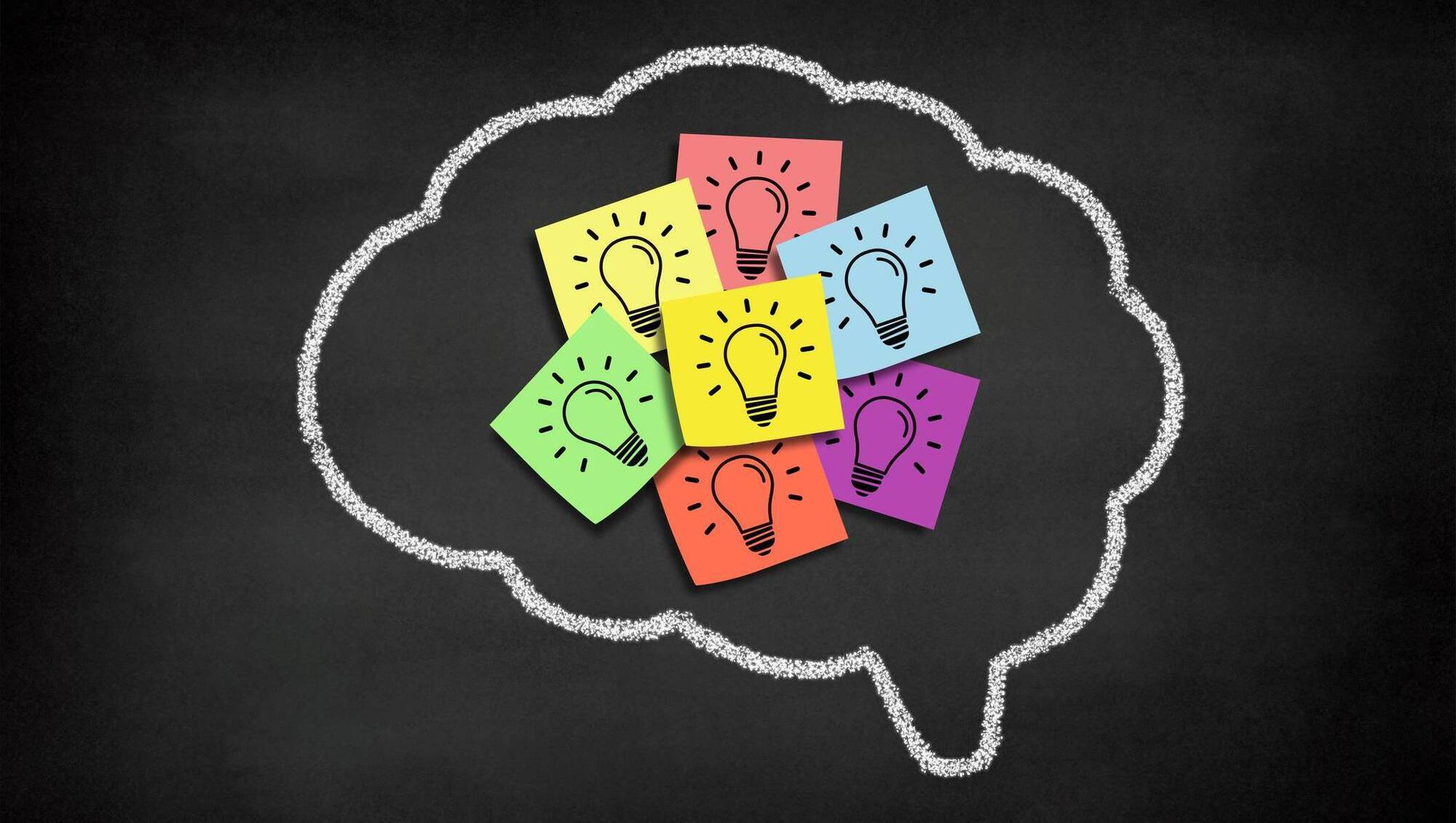
Far from being a flash in the pan or a trendy buzzword, manifesting is backed by scientific fact, and harnessed by leading sportspeople and celebrities
The science behind manifesting: How to visualise an outcome to create your best year ever

Conscious manifesting is about having a clear goal and visualising it


IN 2024, the Cambridge Dictionary named manifesting as the word of the year after it became one of the most searched-for terms on the dictionary website.

From Oprah Winfrey and Simone Biles, to Dua Lipa and Jim Carrey, sportspeople and celebrities have brought manifesting into the general consciousness. Dua Lipa famously said she manifested her 2024 Glastonbury headline appearance, and Jim Carrey’s story includes writing a cheque to himself for $10m in 1995, which he was able to cash out just a few years later.

Manifesting is often dismissed as a pseudoscience, but Dublin-based neuroscientist Sabina Brennan, who rote The Neuroscience of Manifesting, says the practice is very much grounded in science.

“Manifesting is more than just wishful thinking or asking the universe for something. You’re not giving over the power to an external force. With manifesting, it’s about making something happen, but the power lies in you — or your brain,” she explains.

When manifesting, it’s not simply about thinking something into being or thinking you will be rich and waiting for it to happen. There is work involved, says Brennan: “Our brain is primed to keep us alive, that is its primary function. To do that, it filters information that is a danger to you. For example, if you’re crossing a busy street, it will focus on a car that is going too fast. This is called the salience network in the brain, and its job is to focus on things that are important to us. With manifesting, if we focus on our goal, our brain will realise it is important to us and begin drawing our attention to information relevant to the goal.”

The devil is in the detail though, and Brennan says you need to flesh it out for your goal to take shape in your brain: “You need to be very clear about what you want so your brain has clarity. The goal also needs to be coherent, and it needs to align with who you are. This means you need to be connected to yourself and be clear about why you want this.

Conscious manifesting is about having a clear goal and visualising it, which forces you to think through every aspect of the goal, including the steps you need to take to reach it. It’s all about activating the areas of the brain that will help you unlock the information or creativity you need to achieve it.”

Sabina Brennan: 'Manifesting is more than just wishful thinking or asking the universe for something.'

At its heart, manifesting involves positive thinking. This doesn’t just mean having positive goals; it involves thinking more positively about yourself, which in turn will increase your self-esteem and help you believe you are the kind of person who can achieve your dreams. The knock-on effect here is you will start to take steps towards meeting those goals.

Researchers from Kings College in London published a paper in March 2016 in the Journal of Behavior Research and Therapy, highlighting the power of positive thinking in reducing worry. One group was asked to visualise a positive outcome for three things they were worried about, and another group was asked to think of a verbal positive outcome. The group visualising an image reported greater happiness, calmness and reduced anxiety.

But the brain loves routine, and it resists change, explains Brennan. The work is essential: outrepetition, visualisation, and changing your habits and activities.

“Your brain needs information to change, the more data you give your brain, the more accurate it is. If you’re going to stay on track with achieving your goals, you must harness your brain’s neuroplasticity, its ability to learn new things and change. And this requires hard work,” says Brennan.

So, how can you reinforce your goals and mould your brain into a new way of thinking? Brennan stresses the importance of giving your brain as much detail as possible. Indeed, 2017 research from the Department of Neurology and Neurosurgery, of the Montreal Neurological Institute, shows that the quality and quantity of sensory inputs reaching the brain can influence its plasticity.

That’s where visualisation techniques like vision boards can help. Here is where you bring your goals to life — what does your goal look like, how will you feel when you achieve it, and what do you need to do to make it happen?

Brennan herself has used mood boards, design apps, and good old-fashioned Excel spreadsheets to map her goals: “We’ve heard how athletes often visualise themselves winning. This is essentially a form of rehearsing, and it activates the same network of the brain associated with actually doing it. Then, when you do achieve something, you need to acknowledge your achievements, which improves your mood and helps you switch your perception from negative to positive. This new perception then re-shapes your reality.”

Whether you use vision boards, affirmations, meditation, or other techniques, the crux of manifesting is believing you can achieve your goals. Then begins the hard work of training your brain.

It seems that by working with your brain, you could very well achieve your dreams. 

x

More in this section

Lifestyle

Newsletter

The best food, health, entertainment and lifestyle content from the Irish Examiner, direct to your inbox.

Cookie Policy Privacy Policy Brand Safety FAQ Help Contact Us Terms and Conditions

© Examiner Echo Group Limited