Breathing and stress: Inhale the calm, exhale the anxiety  

Nasal breathing can help in many ways, from easing anxiety to restoring sleep patterns
Breathing and stress: Inhale the calm, exhale the anxiety  

Pic: iStock
As newborns, our first act is to inhale. When we leave this world, our last act is to exhale. Breathing is central to life itself, but does how we breathe impact our health and wellbeing?

In his book Breath – the New Science of a Lost Art, science journalist James Nestor described how an introductory breathing class fixed his sleep and allowed him to become calm after years of recurrent chest infections and pneumonia.

The class was instructed to close their eyes. Inhale slowly through their noses, then to exhale slowly through their nose or mouth. For a while, nothing happened. After 20 minutes, Nestor thought about getting up and leaving.

"Then something happened... There was a feeling of calm and quiet that I hadn’t experienced in a long time. I slept well. The little things in life didn’t bother me as much. The tension was gone from my shoulders and neck. This lasted for a few days before the feeling faded out."

For the past century, the prevailing belief in Western medicine is that the nose was more or less an ancillary organ. We should breathe out of it if we can, but if not, no problem. That’s what the mouth is for. But the nose is highly adapted to maximise the benefits of breathing.

In a single breath, trillions of molecules travel through your nose, passing through coiled bones or turbinates that begin at the opening of your nostrils and end just below your eyes.

The lower turbinates are covered in pulsing erectile tissue covered in a mucous membrane that moistens and warms breath to body temperature while simultaneously filtering out particles and pollutants. These invaders could cause infection and irritation if they got into the lungs. The mucus is the body’s ‘first line of defence’ and, like a giant conveyor, it collects inhaled debris in the nose and moves it down the throat into the stomach, where it is sterilised by stomach acid.

Different areas of the turbinates heat, clean, slow, and pressurise air so that the lungs can extract more oxygen with each breath. This process makes nasal breathing far more healthy and efficient than breathing through the mouth.

The late Michael Mosley, doctor, columnist, and TV broadcaster, wrote that breathing is “a perfect example of something simple, quick, and completely life-changing — it can transform your mood and health and bring a quiet joy to your day.”

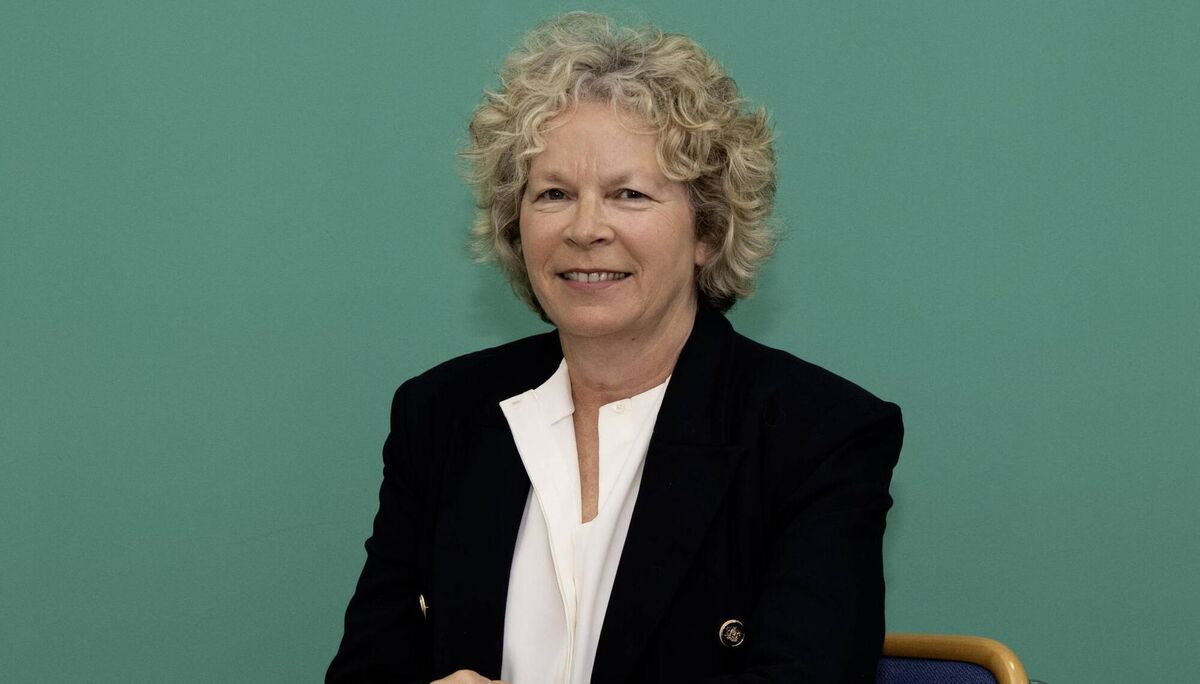
Dr Catherine Conlon, public health doctor and former director of human health and nutrition, safefood. Pic: Brian Lougheed

Changing how quickly and deeply you breathe can slow your heart rate, lower blood pressure, reduce stress, and combat anxiety. There is also evidence that changing the way you breathe can reduce pain.

But adjusting how you breathe is surprisingly difficult, particularly when stressed, believes Ian Robertson, emeritus professor of psychology at Trinity College Dublin.

“When very busy or stressed, we tend to hold our breath, or breath more rapidly, which can make us feel more panicked; and unless we have made deep breathing a very well-practised habit, we are unlikely to do it in time to glean its benefits,” he told Mosley in an interview.

Robertson practices what he preaches. “I just remember to take slow breaths in for a count of four and out for a count of six before I pause or change activity.”

That tricky phone call you know will not go down well? Waiting for your turn to give a presentation? Slow breathing, deliberately inhaling slowly through your nose, can make all the difference.

When we are under pressure, sensors in the brain that detect carbon dioxide levels in the blood rapidly respond by releasing or inhibiting the release of the neurotransmitter noradrenaline. This triggers our ‘fight or flight’ response, which may be needed to get out of trouble but can also cause us to feel stressed or anxious.

Slow breathing changes the carbon dioxide levels in the blood, reducing the release of noradrenaline, which helps reduce anxiety. It also triggers the parasympathetic nervous system by stimulating the vagus nerve, which controls the activity of many internal organs. The heart rate slows and becomes regular; blood pressure decreases, and muscles relax. When the vagus nerve informs the brain of these changes, it further relaxes, increasing feelings of peacefulness.

There is mounting evidence of the benefits of controlling your breathing as an effective way to control anxiety.

Robertson told Mosley that breathing exercises improve decision-making: “The noradrenaline system is critical to how well focused we are on a task, how much we feel in control of what we are doing. It can also help to get us back to sleep and, according to recent studies, reduce the impact of chronic pain.”

Simple, free of side effects, and readily available, slow nasal breathing has the potential to improve your health and calm your mind.

  • Dr Catherine Conlon is a public health doctor and former director of human health and nutrition, safefood

x

Celebrating 25 years of health and wellbeing

More in this section

Lifestyle

Newsletter

The best food, health, entertainment and lifestyle content from the Irish Examiner, direct to your inbox.

Cookie Policy Privacy Policy Brand Safety FAQ Help Contact Us Terms and Conditions

© Examiner Echo Group Limited