Natural Health: What can I do about my teenagers' athlete's foot?
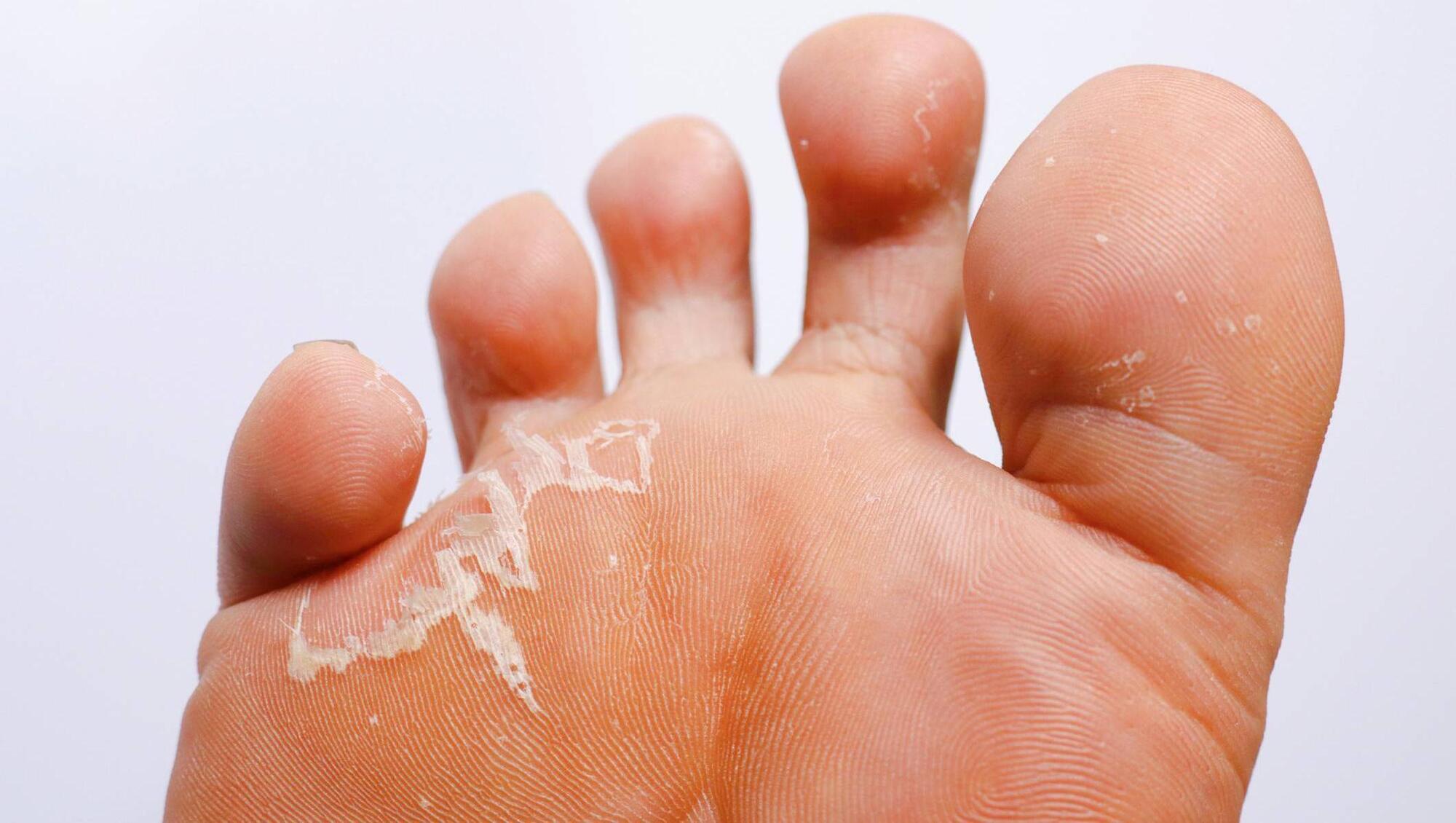
Athlete’s foot should be treated as soon as possible to prevent the infection spreading to your toenails.
Athlete’s foot can be a stubborn infection to clear. Fungal infections are mainly dealt with by white blood cells called T-lymphocytes, or T-cells. These cells are produced in the bone marrow, mature in the thymus gland, and are released into the lymph and blood.
Innate or genetic T-cell status is one of the critical factors in our susceptibility to fungal infection, along with acquired deficiency.
Keeping your beneficial gut bacteria in check is another way to support the body in preventing and healing fungal infections.
A high-quality probiotic would be a good place to start treating your teens. I’d also recommend a garlic supplement. The active ingredient in garlic, allicin, supports immunity while specifically fighting fungal infection.
Allimax products are a simple and effective way to benefit from allicin. They come in various options: liquids, capsules, topical creams and gels, and are available at health stores and Boots.
While easier said than done, cutting back on sugary, fried, and processed foods could help rebalance digestion and immunity. Eating plenty of whole foods, especially fresh produce, and drinking enough water is also key.
Applying neat essential oil is also an effective natural option. The two most popular essential oils for treating athlete’s foot come from Australia: tea tree (Melaleuca alternifolia) and lemon myrtle (Backhousia citriodora).
I imagine your son’s bicycle accident left him feeling quite shaken. An herbal preparation in a salve or cream containing botanical ingredients such as hypericum, comfrey (knit bone or bruisewort), and calendula will help your son’s slow-healing wounds. Hypericum is excellent for tissue regeneration and helps prevent infection. Comfrey stimulates cell proliferation, particularly in strains, sprains, and fractures. Calendula helps keep wounds clean, promotes new tissue growth, and reduces inflammation.
Opt for a simple calendula remedy if you can’t find a preparation containing hypericum and comfrey. Calendula has antibacterial, antifungal, and anti-inflammatory properties and is frequently recommended by herbalists to address slow-healing wounds.
Calendula assists in bringing blood flow to the affected area whilst softening and soothing the skin. Other uses for calendula besides cuts, grazes, and bruises include treating blisters, cold sores, insect bites, rashes, welts, and burns. It is beneficial where there is redness or tenderness around the wound or affected area. Arnica is another well-known remedy for injuries, but it is mostly used for bruising, as it should not be applied to broken skin. If you want to keep arnica on hand for your son, then the homoeopathic oral form of this remedy is the safest option.
Healthy oils are beneficial topically and nutritionally for wound healing, particularly in preventing scar formation. Topically, you can apply rosehip, sea buckthorn, or cacay oil to the area to help with tissue repair and reduce the level of scarring. Nutritionally, essential fatty acids (omega fatty acids) are vital in repairing tissues and joints. The best dietary sources are nuts, seeds, fatty fruits such as avocado, and oily fish (sardines, salmon, herring, and mackerel), or you can find these in supplement form.
Collagen is another essential dietary supplement that can be obtained through bone broths or a powdered collagen drink. Vitamin C is crucial for collagen production, so ensure that your son gets around 1,000mg to 2,000mg daily.
- Do you have a question for Megan Sheppard? Email it to feelgood@examiner.ie
- NOTE: The information contained in this column is not a substitute for medical advice. Always consult a doctor.


CONNECT WITH US TODAY



Be the first to know the latest news and updates