11 things science says you can eat and drink to help avoid high blood pressure
The science-backed foods to put in your shopping basket 
11 things science says you can eat and drink to help avoid high blood pressure

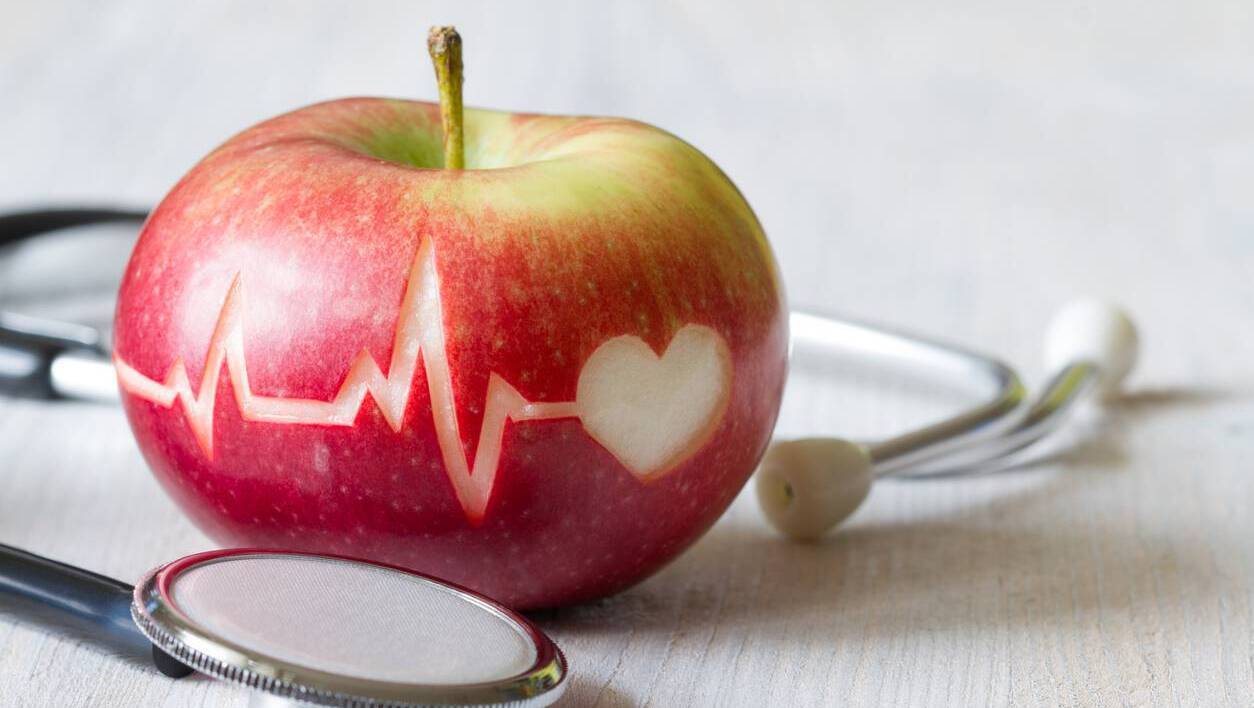
Apples and pears are rich in flavonoids, antioxidant plant compounds known to help keep blood pressure under healthy control

We know we need to eat less salt to avoid high blood pressure, which affects as many as two in five people in Ireland.

However, according to the Irish Heart Foundation (IHA), addressing your salt intake is only one diet
strategy for lowering blood pressure.
Consuming a balanced diet with a wide range of fruit and vegetables, pulses, and wholegrains from
bananas to beetroot and tomatoes to lentils is also important, says the IHA. Here is what to add to your shopping list:

Bananas

How many: Two medium bananas a day.

Potassium is a wonder mineral for blood pressure as it helps the body to remove excess salt from the bloodstream. Eating just an extra gramme of potassium — the equivalent of two medium bananas — per day could be enough to tackle high blood pressure, according to the authors of a five-year study that analysed data from 20,995 people in China.

Participants in the trial, who had either had strokes or were aged over 60 with high blood pressure, were asked to consume salt as normal or were given a substitute in which a quarter of the salt was replaced with potassium, a mineral known to play a role in blood pressure control.
Results published in the Journal of Human Hypertension showed that people with a potassium-rich diet had lower blood pressure levels and a 14% reduced chance of heart disease by the end of the study.

Spinach and leafy greens

How much: One serving a day.

Leafy greens are rich in blood-pressure-friendly nitrates. A 23-year study of 50,000 people at Australia’s Edith Cowan University, published in the European Journal of Epidemiology , showed that people who regularly ate a serving a day of leafy greens had significantly lower blood pressure and up to a 26% lower risk of heart disease. The scientists said that one daily serving of spinach also provides enough potassium to help reduce high blood pressure.

Tea

How much: Two to four cups a day.

Black and green tea are rich sources of flavan-3-ols, a subgroup of the healthy plant compounds flavonoids found in many foods. Flavonoids improve blood pressure and blood flow, among other heart-healthy benefits. Research published in Advances in Nutrition showed that 400 to 600 mgs of flavan-3-ols a day — the equivalent of two to four cups of tea — is enough to produce such benefits.

Beetroot juice

How much: One glass a day.

If you can stomach it, a daily 250ml glass of beetroot juice might help to lower blood pressure. A rich source of inorganic dietary nitrates, compounds that are converted by the body to nitrite and then nitric oxide, which relaxes and widen blood vessels, beetroot is known to have potent effects on blood pressure and cardiovascular health. For the study, published in the American Heart Association’s journal Hypertension , a group of patients diagnosed or at risk of hypertension were asked to take a daily drink for four weeks — half of them were given beetroot juice and the other half a placebo that looked and tasted the same. By the end of the trial, the beetroot juice drinkers had experienced a decrease in blood pressure of about 8/4 mmHg, which brought their blood pressure levels back into the ‘normal’ range. In the two weeks after the study, when they stopped consuming the beetroot juice, their blood pressure returned to the
previous high levels, suggesting that they needed to keep up their intake of nitrates for long-term benefits.

Tomatoes

How many: A handful of cherry tomatoes or a quarter of a tin of chopped tomatoes a day.

Eating 110g of tomatoes or tomato products such as sauces and puree daily saw healthy people have a 36% lower risk of developing hyper- tension. In a study of 7,056 participants, published in Hypertension the protective effect was found to be due to lycopene (the red anti-oxidant compound that gives tomatoes their colour) and potassium in tomatoes.

Lentils

How much: Two to three servings a week.

A diet rich in pulses, including dried peas and lentils, was shown to significantly lower blood pressure in people with hypertension as well as in people with normal blood pressure in a study of 544 people published in Hypertension and three servings a week of lentils, peas or beans was associated with better blood pressure control in another study of people with raised blood pressure in the journal Nutrients.

Apples and pears

How many: One of either a day.

Apples and pears are rich in flavonoids, antioxidant plant compounds known to help keep blood pressure under healthy control. According to Prof Aedin Cassidy, a researcher at the School of Biological Sciences at Queen’s University in Belfast, these flavonoids also boost gut health, which explains the benefits for blood pressure. In a study of 904 people, Cassidy found that those who consumed the most flavonoid-rich foods have a greater diversity of gut bacteria which, in turn, helps to lower systolic blood pressure.

Red kidney beans

How much: 100g daily serving.

While most beans have a positive effect on blood pressure, the darker-coloured varieties such as red kidney beans and black beans have been shown to have the greatest positive effect on blood vessels. In a small pilot study looking at the effects of beans on cardiovascular measures, researchers from the University of Manitoba in Canada showed blood pressure was lower two hours after eating red kidney beans compared to rice.

Dried apricots and dates

How many: Three to five a day.

Dried fruits, including raisins (749mg of potassium per 100g), dates (656mg), and prunes (732mg), are a good source of potassium, which is known to lower blood pressure. However, on a weight-for-weight basis, dried apricots contain the most potassium (1,162mg). Experts say a 30 to 40g portion of dried fruit is one of your five a day and can help towards healthier blood pressure.

Almonds and walnuts

How many: A small handful (42g) daily.

Authors of a 2020 study showed that eating a few almonds every day helps to reduce blood pressure, while a team reporting in Hypertension found that people in their 60s who had mild hypertension had better blood pressure control when they consumed a few walnuts daily compared to a control group who ate no nuts.

Yoghurt

How much: A small pot every day.

A daily dollop of yoghurt was shown to lower blood pressure in people with hypertension, according to a study in the International Dairy Journal. Researchers who conducted the trial suggested that bacteria in yoghurt help to promote the release of proteins that lower blood pressure. Other nutrients in yoghurt, such as calcium, magnesium, and potassium, are important for blood pressure control.

Celebrating 25 years of health and wellbeing

More in this section

Lifestyle

Newsletter

The best food, health, entertainment and lifestyle content from the Irish Examiner, direct to your inbox.

Cookie Policy Privacy Policy Brand Safety FAQ Help Contact Us Terms and Conditions

© Examiner Echo Group Limited