Ozempic vs body positivity: The big 'skinny jab' debate
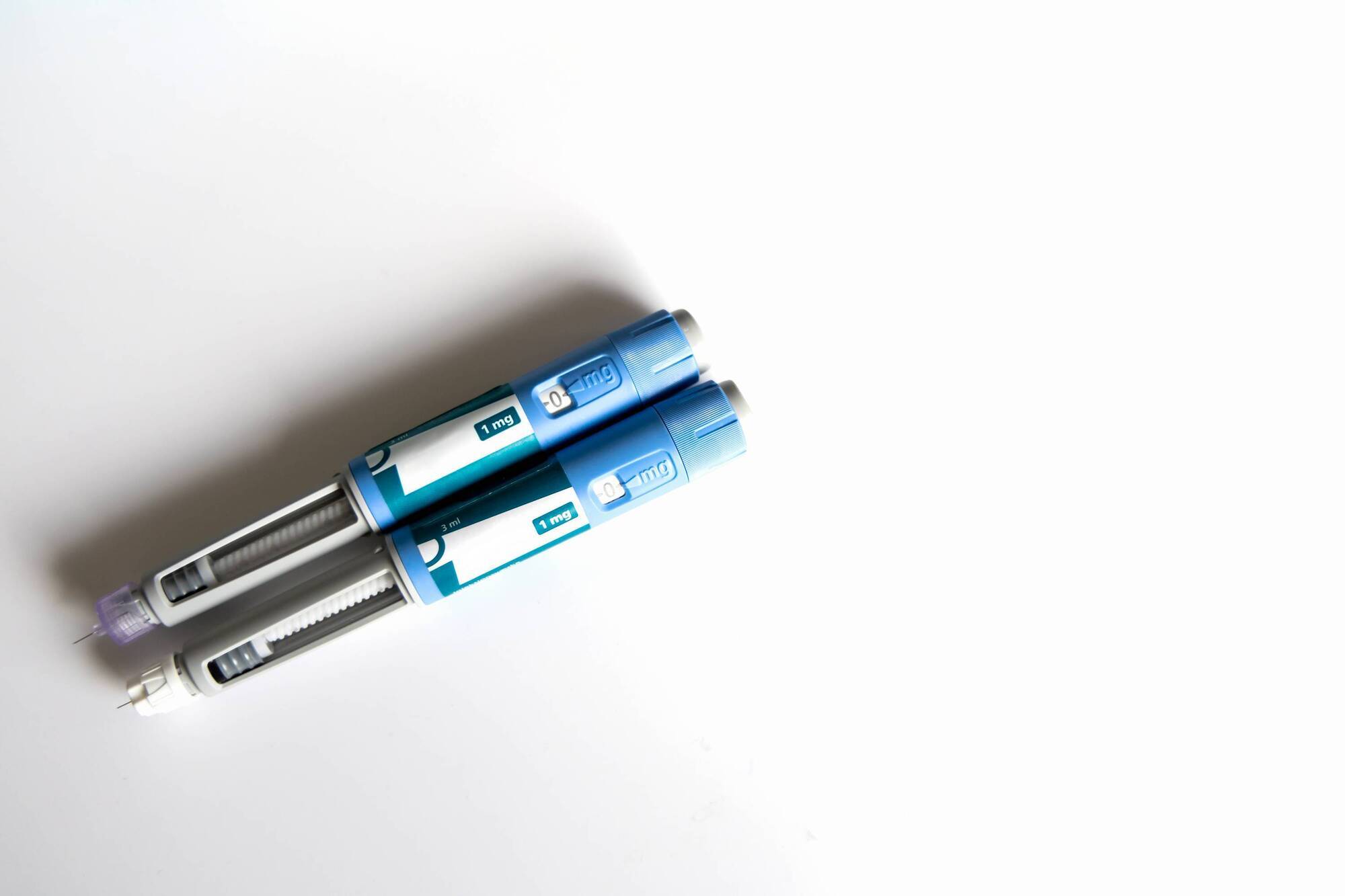
Ozempic Insulin injection pen for diabetics and weight loss.
Finally, a magic pill. A solution to obesity which doesn’t tell people to just eat less and move more — because if this worked, obesity wouldn’t exist. Hence the hype around Ozempic, and its stablemates Wegovy and Mounjaro. The satiety-altering drug has been described by Cambridge neuroscientist Clemence Blouet as “the first safe anti-obesity drug” and by genetic epidemiologist Tim Spector as “the holy grail".
Ozempic’s active ingredient, the satiety hormone semaglutide, has been used by diabetics since 2005 for managing blood sugar levels, with little ill effects — and the drug is also thought to reduce the risk of stroke and heart attack by 20%. But for now, it’s all about weight loss - at last, a successful treatment for those suffering from a chronic progressive relapsing disease culturally associated with greed and laziness, bias and discrimination, and a ton of internalised shame. (Little focus has been given to the main underlying cause — the industrialisation-for-profit of our food chain, resulting in the cheap, ultra-processed, addictive and highly calorific food-like substances filling our shelves and swelling and poisoning our bodies, which makes Ozempic a manmade solution to a manmade problem, but here we are.)
The health risks associated with obesity are widely known — increased risks of cancers, type 2 diabetes, stroke and cardiac arrest, mobility complications, sleep apnoea etc — around 200 diseases and conditions in total. The benefits to reversing obesity are equally well documented — if you have bariatric surgery, for example, in the seven years that follow you are 56% less likely to die of a heart attack, 60% less likely to die of cancer, 92% less likely to die of diabetes, and 40% less likely to die of anything medical. However, bariatric surgery is not widely available, and if you go private, it’s expensive. Plus it’s surgery — the semaglutide drugs involve a weekly mini-jab, rather than scalpel and anaesthesia.
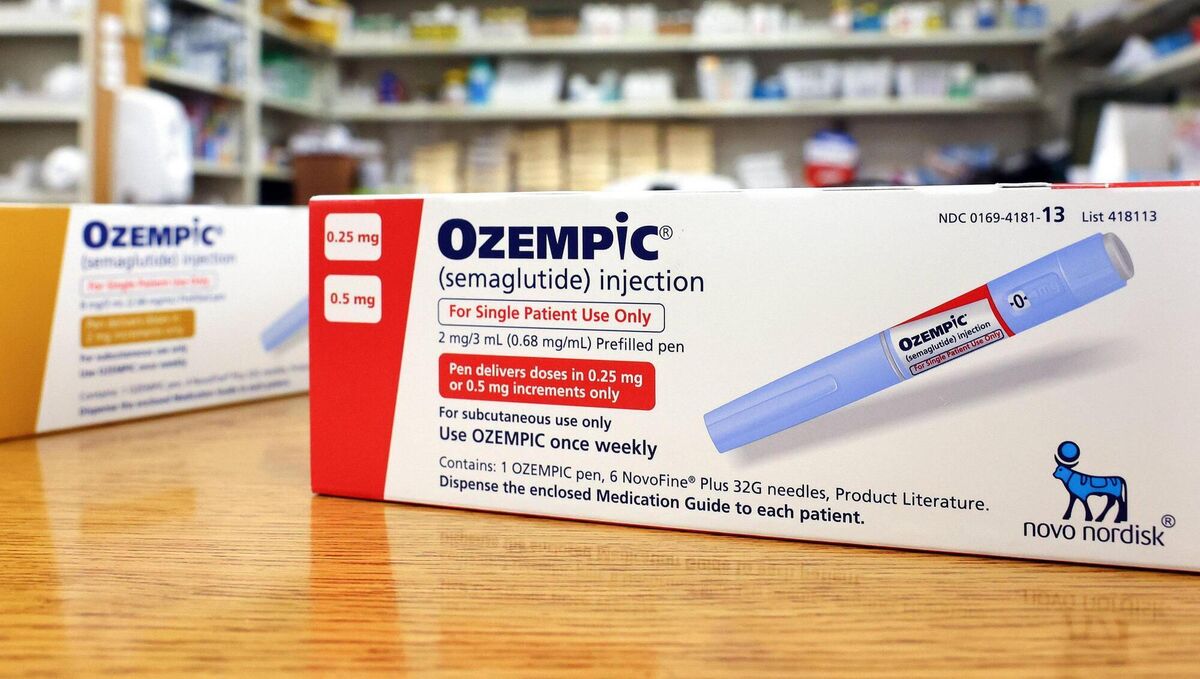
Celebrities have leapt on it. Oprah quit her role at Weight Watchers, because her weight loss was not solely down to diet and exercise but to Ozempic too. Whoopi Goldberg and Elon Musk are no longer obese because of it. Robbie Williams says it’s 'like a Christmas miracle', and Boy George writes in his most recent autobiography , 'I’m on Mounjaro. Isn’t everyone? Trust me, anyone who was fat last year and is now skinny is on the wonder drug.' Sharon Osbourne lost 19kg on it, and her daughter Kelly describes it as 'amazing'.
Could an anti-obesity drug reverse our slow acceptance of greater body diversity?
Johann Hari, author of (in which he investigates the new weight loss drugs, as he loses 20kg on Ozempic), confirms that in terms of accessing the drug, it’s a case of the fats and the fat-nots.
“It is definitely dividing us this way,” he says. “The nightmare scenario is that the get to be super-skinny while the real schoolchildren of New Jersey get diabetes. Eight years from now, Ozempic goes out of patent — it will be a daily pill that will cost around a dollar a day. Until then, there are options for bringing down price — government regulation, companies competing etc.”
In terms of getting the drug to those who genuinely need it, it’s still early days.
But obviously, there are complications — more cultural than medical. After the long hard slog of the body positivity movement, could an anti-obesity drug reverse our slow acceptance of greater body diversity? And how will it impact those with eating disorders?
Former editor Alexandra Shulman calls the drug “the new Botox” and is concerned that the drug will set back the progress made by those who have been campaigning for greater body diversity, perhaps impacting the now-normalised cultural visibility of plus-sized models in the fashion world. That it will make us fattist again, that any tolerance for size diversity will be wiped out as thinness is once again elevated and we revert to the kind of fatphobia rife in previous generations.

But really, have we ever been anything but? Just because we have some plus-sized models and entertainers, does that really mean we are no longer fatphobic? While actor Nicola Coughlan insisted on nude scenes in ("It just felt like the biggest fuck-you to all the conversation surrounding my body — it was amazingly empowering. I felt beautiful in the moment") and Lizzo has become iconic of sex-positive self-acceptance, socio-cultural responses to fatness are at best contradictory. A kind of 'you-go, girl, so long as it’s not me, girl'.
The US, at the forefront of Western obesity (42.5% of its population is obese, compared with 23% of the Irish population and 26% of the UK’s) and prominent fat activist authors like Aubrey Gordon, Lindy West and Roxanne Gay. Will they succumb to Ozempic-fuelled cultural pressure to stop being fat?
Activist Aubrey Gordon, speaking on the podcast in the US, shared her experience not of Ozempic but of how the drug has impacted the surrounding culture. "Speaking for myself as a fat person, what I have experienced much more is full-on strangers telling me I should consider going on Ozempic," she told Dan Pashman. "The dial has been turned up considerably on anti-fat bias in my own personal life, and that happens any time there’s a big diet craze, anytime there’s a big weight loss breakthrough."
She says that she’s frequently asked about using the drug, and that although people are mostly well-meaning, it “feels horrible, because what that person is saying is, ‘I don’t want to have to look at you anymore. I think you’re going to drop dead immediately. And we’ve got to fix you'." Ozempic, for Gordon, does little but perpetuate stigma.
Body image researcher Dr Ciara Mahon reminds us that size and health and not automatically linked — that just as it’s possible to be overweight and healthy, it’s equally possible to be thin and unhealthy.
“There’s a conflation between weight and health, which is not always the case,” she says. “You can be at a low weight and still be unhealthy. Neither end of the spectrum is healthy. This drug is a quick fix, an appetite suppressant. Does it mean you will get the correct nutrition? Enough exercise?”
In his book, Hari lists the main risks of semaglutide — possible increase in the chances of developing thyroid cancer (it’s very rare, occurring in 1.2% of the population, with an 84% recovery rate); low mood; very low risk of pancreatitis; a rare condition called stomach paralysis; slacker muscle mass and malnutrition. Immediate side effects can include nausea and fatigue, says Hari, but these tend to pass within days. (Stephen Fry and Amy Schumer both reported these side effects, and stopped using Ozempic).
But Mahon’s main concern, like that of Aubrey Gordon and Alexandra Shulman, is the cultural impact. “The body image movement has made a lot of progress in the past 10 years so that we no longer think of only thin or unblemished bodies as acceptable,” she says. “The movement has created more diversity and acceptance, and more pushback from punitive diet culture.”
Ozempic may “reinforce expectation around weight loss.” “We weren’t born hating our bodies,” she says. “We need to reduce feelings of shame around our bodies, and discrimination needs to be addressed. Self-love in relation to the body is quite individualistic and doesn’t tackle societal bias.”
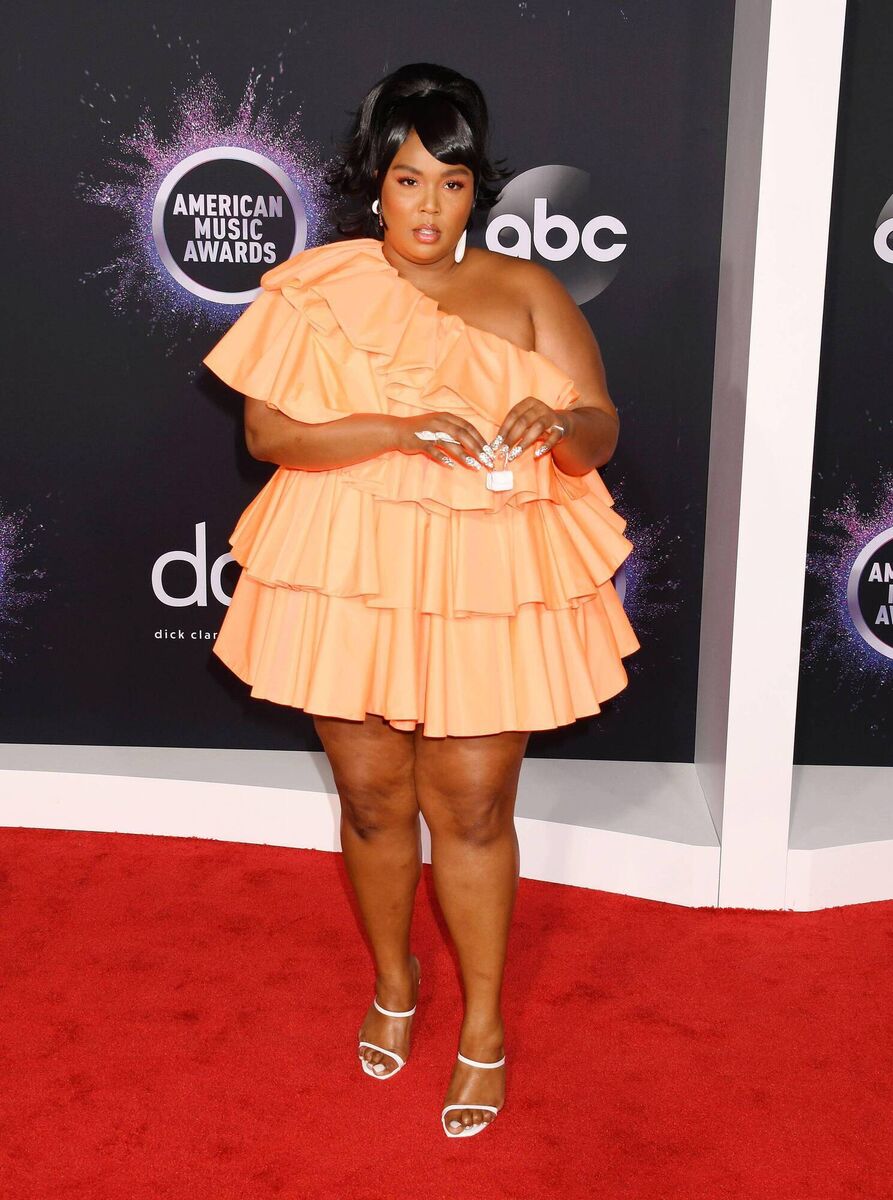
Self-acceptance and body neutrality, she says, are better ways to achieve this.
What concerns Mahon the most, however, is the drug being accessed by those with eating disorders like anorexia.
“During the pandemic, there was a 66% spike in acute hospitalisations for teenage girls with eating disorders, which have the highest mortality rate of all psychiatric disorders,” she says. “Ozempic could be an effective tool for self-starvation while reinforcing the idea that this is the only way to be socially acceptable.”
Ozempic and similar drugs are, in and of themselves, effective and useful. The complications – like the cause of obesity itself — are manmade. Will we end up using them for normal everyday weight gain like baby fat and middle-age spread? In another 10 years will we all look like stick-thin celebrities? Will there be a backlash against the backlash?
Five years ago I had gastric sleeve surgery in Estonia. It was highly effective and minimally disruptive, despite involving flights, scalpels and €6,000, which I borrowed. If Ozempic had been around then, would I have used it instead of opting for bariatric surgery?
The short, obvious, answer is yes. Of course, I would. With weight loss drugs that mimic satiety in the gut and brain using semaglutide, you can manage your appetite without the risks of previous amphetamine-y diet drugs that drove people mad and gave them heart attacks. For overweight people who are demoralised by diet culture and fed up with fattism, Ozempic — alongside exercise — sounds indeed like a Christmas miracle.
Assisted weight loss can kickstart a beautiful relationship with your body, a relationship that is high on appreciation and low on perfectionism. It can restore a connection with the physical self that internalised fatphobia may have decimated. A decade ago I couldn’t put my socks on without sitting down — now I can do headstands.
“This is the key — to appreciate what your body does for you,” says Mahon. “If you value something you’ll look after it.”


CONNECT WITH US TODAY



Be the first to know the latest news and updates