Get your blood pressure under control in months with the help of expert advice
Research has shown that the Irish population is among the least likely to have been diagnosed with hypertension or to have it under control with medication
How high is your blood pressure? When it comes to hypertension, Ireland is regularly found to have among the worst readings of developed nations. Results of one global study involving 525,000 people aged 40-80 from 12 high-income countries published in the Lancet medical journal three years ago found that 56% of Irish men and 43% Irish women had high blood pressure — among the worst of the nations surveyed.
Despite the concerning statistics, the researchers also highlighted the fact that the Irish population was among the least likely to have been diagnosed with hypertension or to have it under control with medication. Labelled a ‘silent killer’, hypertension has few symptoms and takes hold insidiously, and the fact that it so often strikes with 'no clues' means that many are unaware of the risk before it’s too late.
“A lot of people don’t realise that high blood pressure is a risk factor for other conditions, including strokes, heart attacks and vascular dementia,” says Dr Angie Brown, consultant cardiologist and medical director with the Irish Heart Foundation. “It really can have devastating effects, so it is very important to get your blood pressure checked.”
With each heartbeat, blood is pumped around the body through arteries, which contract and relax as it pushes against the sides of the vessel walls. A certain amount of pressure is needed to ensure blood flows fluidly and effectively, providing energy and oxygen where required. But when blood pressure is elevated, it causes strain on the arteries and heart, increasing the risk of health problems.
Inactivity, an unhealthy diet, stress and other unhealthy lifestyle habits remain critical issues. But the good news of sorts is that while many people with hypertension will need medication, many can reduce blood pressure naturally within a matter of months.
Here’s what you need to do to make a difference:
Exercise is a must because it helps to lower systolic blood pressure, but which type of activity is best? For a study published in the , Dr Jamie O'Driscoll, a researcher in cardiovascular physiology at Canterbury Christ Church University, ranked exercise types according to the blood-pressure busting abilitytarget="_blank" rel="noopener noreferrer">. He says that “all physical activity is good for your cardiovascular health”, but that some forms have particular benefits for blood pressure, helping to reduce inflammation and improve performance of the heart, all of which enhance cardiovascular health.
The top was isometric exercise which entails holding a muscle under tension with no movement for a set time. Plank holds, low squats and wall sits are all examples. “When you release an isometric hold, there is a sudden increase in blood flow as the blood vessels dilate again,” O’Driscoll says. “You don’t get the same effect with other forms of exercise.”
Running came in second place, which he says “improves blood pressure and also your body’s ability to utilise oxygen” and is important for preventing cardiovascular disease.
A team of cardiologists who tracked first-time marathon runners also found running beneficial. Their results, published in the showed regular running was associated not only a drop in blood pressure but a four-year reduction in 'vascular age' or the health of someone’s arteries.
At the bottom of O’Driscoll’s list for blood pressure was HIIT training, which is the short, sharp bursts of all-out effort that leave you breathing hard and sweating profusely. “HIIT produced the lowest reductions in blood pressure but still had some impact,” he says. “All exercise is good.”
According to the Irish Heart Foundation, keeping tabs on your blood pressure at home using DIY monitors is a good idea. A one-off high reading is nothing to worry about as blood pressure ebbs and flows, but the IHF advises that if BP remains high for two or three weeks, you should see your doctor. Don’t become obsessed with checking it several times a day or week at home as blood pressure ebbs and flows. However, women taking HRT and people with heart disease in the family or with any medical issues should do tests more regularly.
If you are over 30, Brown says it’s best to have your blood pressure checked by a medical professional at least once every five years. If your blood pressure is borderline high, you’ll need to get it checked more often by a doctor or nurse. It takes just three minutes to have it done.
“A lot of pharmacies now offer blood pressure checks as well, so check with your local one,” Brown says. As part of a campaign called Before Damage is Done, the IHF, in partnership with Medicare LifeSense, offers blood pressure checks in local participating pharmacies until the end of June.
A blood pressure reading consists of two numbers, the top number being your systolic pressure, the highest level your blood pressure reaches during a heartbeat and the bottom number is your diastolic reading, the lowest level your blood pressure hits between heartbeats. A normal blood pressure range is between 90/60mmHg and 120/80mmHg. A one-off high reading is usually nothing to worry about, as blood pressure rises and falls constantly, but if it remains high for two or three weeks, you should arrange to see your doctor.
For people over 80, the target blood pressure is under 150/90mmHg (or 145/85mmHg when measured at home), which is adjusted to account for arteries stiffening with age.
This message doesn’t change, and Irish health chiefs recommend that we get no more than 6g (about a teaspoon) daily. The IHF suggests that we get less than 5g a day if you have existing high blood pressure.
“Eating less salt is important for managing high blood pressure if you have already been diagnosed with it or are taking medication for it,” says Brown. “You should also try to maintain a healthy weight, take more exercise and eat plenty of fruit and vegetables.”
High salt intakes can also interfere with blood pressure drugs, making them less effective.
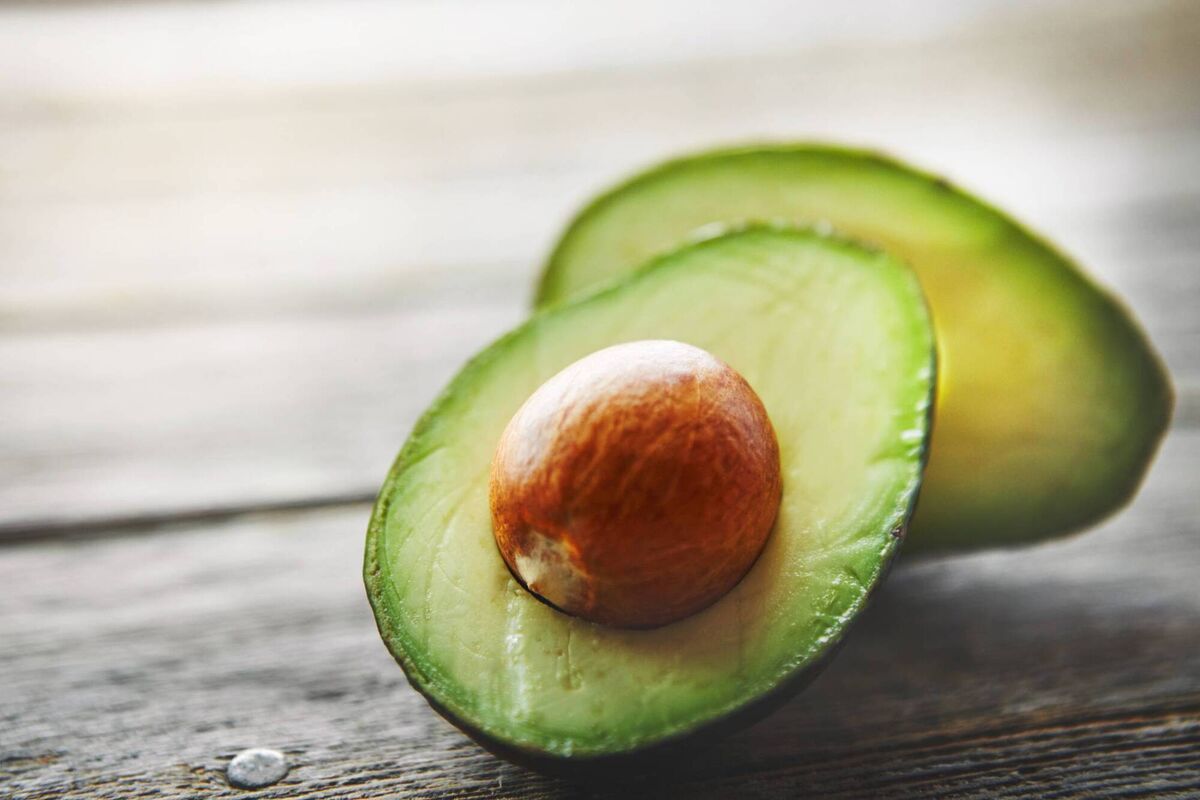
Research has shown that a potassium-rich diet containing foods such as bananas, avocados, potatoes, dates, leafy greens and lentils can help to lower blood pressure. “Potassium plays a role in blood pressure control,” says nutritionist Rhiannon Lambert, author of “It does this by helping the body to remove salt from the bloodstream.”
For a recent study, scientists analysed data from 20,995 participants, all of whom had high blood pressure or had suffered a stroke. Over five years, half of the participants were given ordinary table salt while the rest were asked to use a product in which some of the sodium was substituted for potassium. Results in the journal showed that the potassium-enriched salt had a powerful blood-pressure-lowering effect, with the researchers suggesting that up to 80% of the benefit to blood pressure was down to the increase in potassium rather than a reduction in salt.
“High levels of sodium intake and low levels of potassium intake are widespread, and both are linked to high blood pressure and greater risk of stroke, heart disease and premature death,” said Dr Polly Huang, a senior data analyst on the paper. “Using a salt substitute where part of the sodium chloride is replaced with potassium chloride addresses both problems at once.”

Too little sleep won’t just leave you tired and tetchy. Over time, it could cause your blood pressure to rise. In the most recent study to look at the link between sleep patterns and hypertension, researchers presenting at the American College of Cardiology’s Annual Scientific Session in March looked at more than 1m people from different countries who had no history of hypertension. They showed that getting less than seven hours shut-eye regularly was associated with a 7% increase in blood pressure but that risk rose to 11% in people who routinely slept for five hours or less. Although they didn’t examine why poor sleepers were more prone to the condition, the researchers suggested that lifestyle habits and stress likely played a significant part.
Of all isometric exercises, wall sits reign supreme for blood pressure, O’Driscoll says, because they engage the hamstrings, quadriceps and glutes, some of the largest muscles in the body. If you find them tough (who doesn’t?), he recommends starting with a scaled-down version of the exercise. “Don’t feel you have to go in with a 90-degree angle at the knees,” he says. “Better to widen the knee angle and to hold for two minutes at a time than to shorten the duration of the exercise.”
His research findings suggest that eight minutes per workout — repeating four sets of a two-minute isometric hold, with two minutes of rest in between — three times a week is enough to have a powerful effect on preventing hypertension.
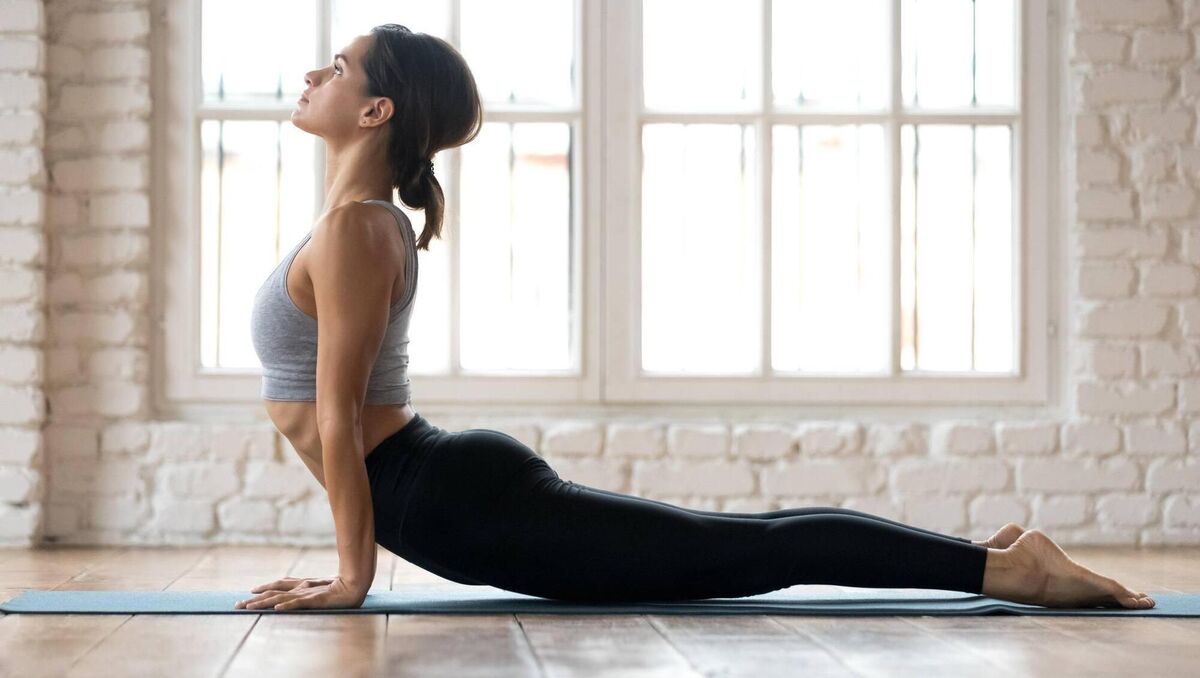
Studies have shown that stretching reduces stiffness in blood vessels so that there's less resistance to blood flow. Since it’s resistance to blood flow increases blood pressure, it follows that regular flexibility exercises can help to reduce hypertension. For one study in the , researchers from the University of Saskatchewan in Canada asked people with mild hypertension to add either a brisk daily walk or 30 minutes a day of stretching the body’s larger muscles, including the quadriceps and hamstrings, on five days a week. A control group made no changes to their routine. After eight weeks, the stretching group had the biggest reductions in blood pressure.
CONNECT WITH US TODAY



Be the first to know the latest news and updates