Why it's critical to replenish those important B-vitamins
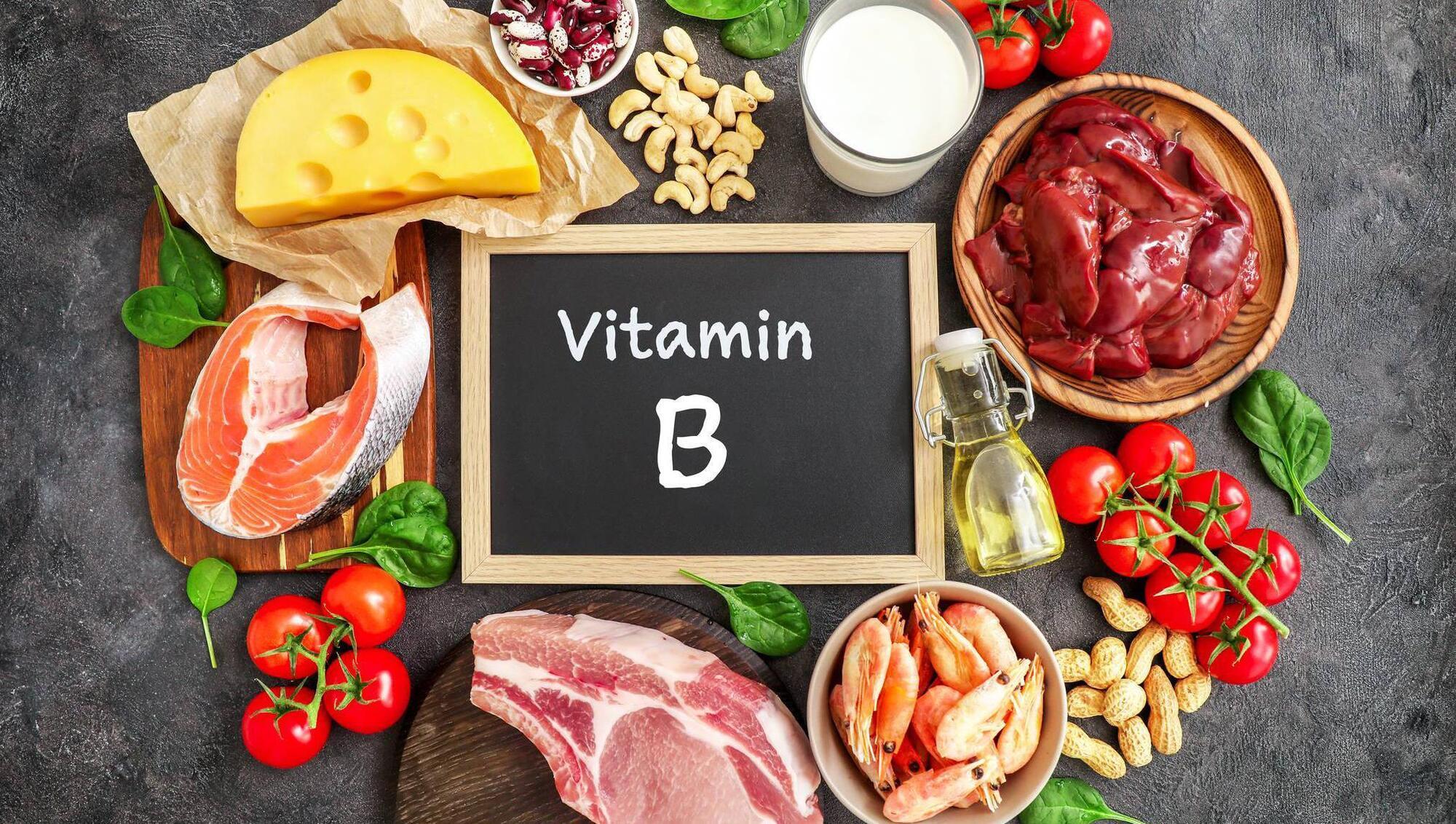
Pic: iStock
B vitamins are vital for living a long and healthy life. Yet many of us are unaware of their importance and what we can do to ensure we consume enough of them. This puts us at risk of deficiency and can lead to serious health problems.
Kathryn Stewart, a registered dietitian at the Dublin Nutrition Centre, explains what makes up B vitamins. “There are eight of them — thiamine (B1), riboflavin (B2), niacin (B3), pantothenic acid (B6), biotin (B7), folate or folic acid, and B12,” she says.
“Some are responsible for carbohydrate metabolism and function as the key to unlocking energy from food.” This means energy levels can plummet when we lack these vitamins, says Stewart.
Folate, B12, B6 and riboflavin also play essential roles in creating and repairing DNA and in methylation reactions within cells. This makes them crucial to a range of biological processes and means that deficiency can have even more profound consequences.
Poor folate levels are linked to an increased risk of stroke. Vitamin B6 deficiency is associated with an elevated risk of cardiovascular disease, certain cancers and neurodegenerative diseases. And a strong correlation has been found between depression and a low B12 status.
Helene McNulty, professor of human nutrition and dietetics at Ulster University, specialises in B vitamins and outlines how critical they are from the earliest moments of life when a foetus is still forming in the womb.
“Neural tube defects (NTDs) are major birth defects such as spina bifida that can lead to death or lifelong disability,” she says. “Ireland has one of the highest NTD rates in the world. Over 30 years ago, it was proven that folic acid supplementation in early pregnancy protected against NTDs in babies.
That’s why women are recommended to take 400 micrograms every day for the three months before and after conception. It’s so there is enough red cell folate present to support the early formation of the brain and spine in the baby three to four weeks into the pregnancy when the neural tubes are closing.”
McNulty’s team at Ulster University has partnered with universities in Canada and Spain to work on the EpiBrain project which explores the effect of folate and related B vitamins on the brain throughout the life cycle. Their studies have shown that B vitamins have a key role to play in brain health long past the first three weeks of life.
“One of our studies showed that the children of women who took folic acid throughout pregnancy performed better in cognitive tests at ages three, seven and 11 than the children of mothers who did not,” she says.
Another study examined the effects of optimal B vitamin intake in older populations and found that folic acid, taken in combination with vitamins B12, B6, and riboflavin over the course of two years, protected against cognitive decline in later life.
“B vitamins, and folate in particular, appear to play a significant role in brain health throughout the life cycle,” says McNulty.
Sinéad Curran, head of the Department of Clinical Nutrition and Dietetics at the National Maternity Hospital, highlights the importance of vitamin B6 for women.
“We call it the women’s health vitamin,” she says. “It can minimise nausea and vomiting in pregnant women. It’s recommended for treating premenstrual symptoms and it can help with progesterone-related fertility issues.”
Experts are concerned that many are not getting the full health benefits of these nutrients.
According to research published by Trinity College Dublin in 2021, one in eight adults over 50 in Ireland is deficient in B12, and one in seven has insufficient folate. The research also stated that deficiency was likely to be prevalent across all age groups.
One reason for this is that B vitamins are water-soluble. “
We pee out what we don’t need on a daily basis,” says Stewart. They are not stored in the body, so we have to eat foods that are rich in B vitamins every day.”
The other reason, in the case of folate, is that it’s next to impossible to get enough from diet alone. “Folate is easily destroyed by heat, light, or the bruising of produce,” says Curran.
This is why McNulty campaigns for the mandatory fortification of food. “Over 80 countries worldwide now add folic acid to white flour, maize flour or rice,” she says.
“In those countries, the incidence of NTDs has reduced significantly. We don’t have mandatory fortification here in Ireland and our incidence rates haven’t fallen at all.”
She argues that our current policy of recommending that women take folic acid before and after conception will never work.
“Over half of all pregnancies are unplanned and women who aren’t planning to get pregnant are unlikely to be taking folic acid,” she says. “They won’t even have realised they are pregnant yet at the three-week point when the neural tubes start closing. By the time they do, it can be too late.”
Fortification could significantly reduce the number of children born with NTDs and enhance the health of the wider population.
“We are just beginning to understand how B vitamins interact to play an important role in our overall health,” says McNulty.
“To ensure that as many people as possible avoid the negative health effects of deficiency, it makes sense to fortify our food.”

Subscribe to access all of the Irish Examiner.
Try unlimited access from only €1.50 a week
Already a subscriber? Sign in
CONNECT WITH US TODAY
Be the first to know the latest news and updates