The facts about the contraceptive pill — and your options
Pic: iStock

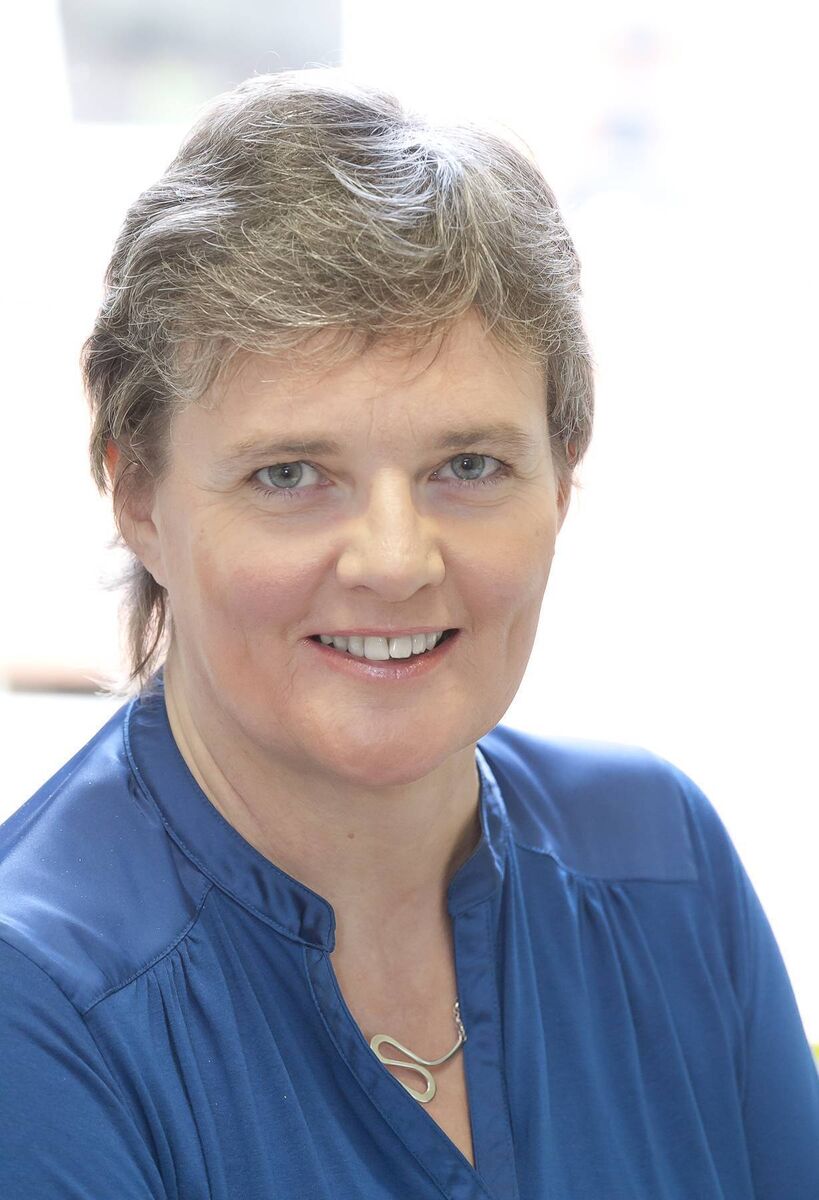
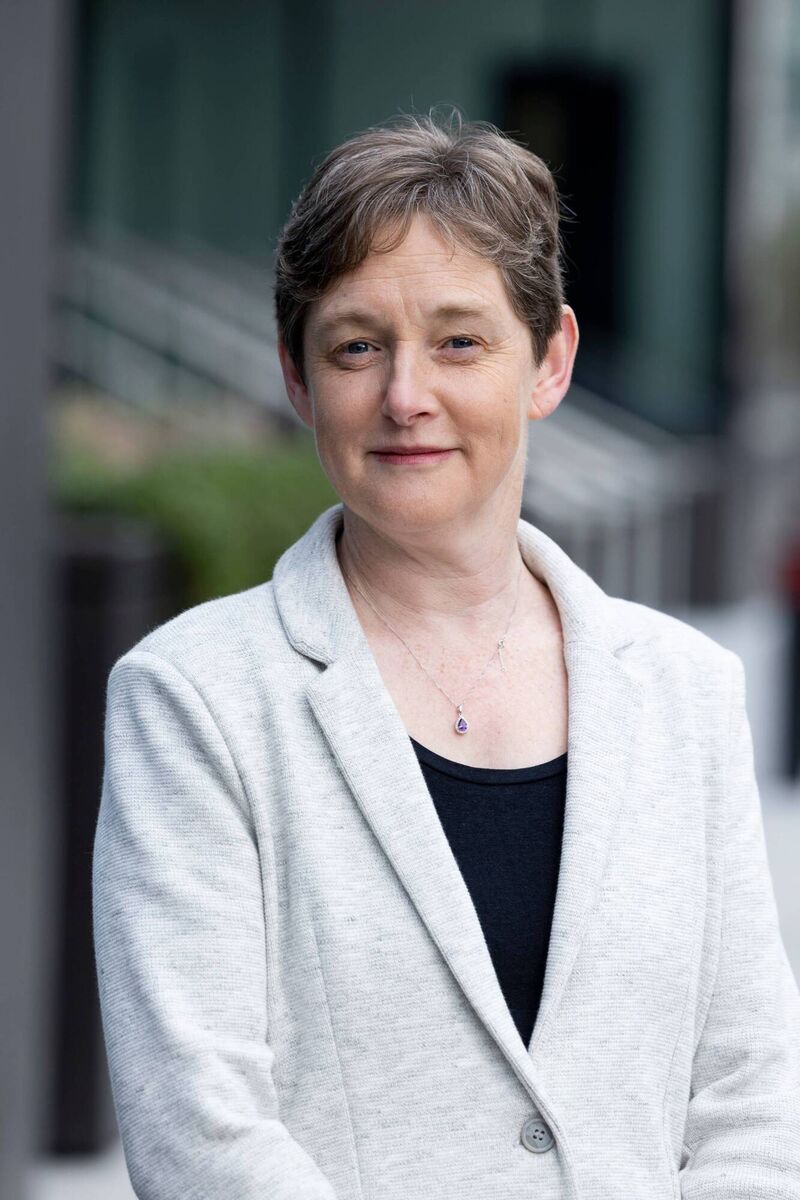
Kate Muir hopes her new book won’t frighten women.
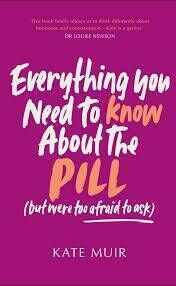
The women’s health campaigner, producer of taboo-busting documentaries about menopause, and author has just published Everything You Need to Know About the Pill (But Were Too Afraid to Ask).
It warns about the potential side-effects of taking the pill and other hormonal contraception.
“I don’t want to put women off taking the pill,” she says.
“It’s been a godsend for many, preventing unwanted pregnancy, regulating the ups and downs of periods, and easing symptoms of conditions like premenstrual syndrome, polycystic ovarian syndrome and endometriosis. But – and it’s a big but – there has always been a significant minority who have experienced serious side effects and they have never been acknowledged.”
Muir remedies this in her book by telling the stories of women who have suffered as a result of taking the pill, delving into the scientific research to find out why and ultimately asking what can be done about it.
“I want women to know what they are putting into their bodies and be aware of all of the possible side effects so that they can be informed and supported in finding the contraception that works best for them,” she says.

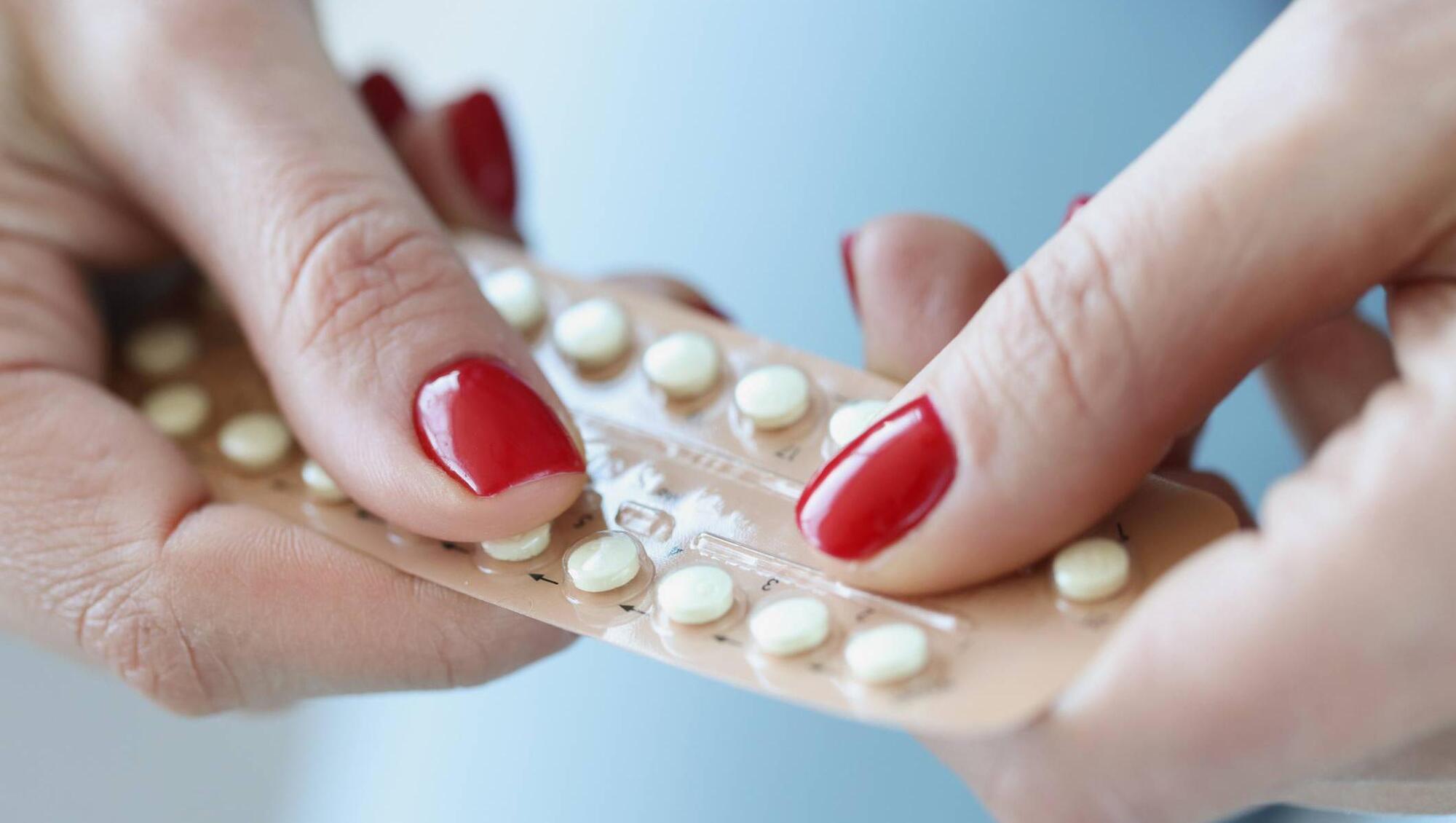
The pill contains synthetic forms of oestrogen and progesterone and works by stopping women’s ovaries from releasing an egg every month.
It was first made available to women in America in 1960 and crossed the Atlantic to Britain in 1961.
Contraception was illegal in Ireland until 1979 but the pill could be prescribed for the regulation of periods.
Women with sympathetic doctors were able to take advantage of this loophole.
The pill transformed the lives of many women.
Muir describes how it allowed them to have sex whenever and with whomever they wanted while also enabling them to delay starting a family so that they could spend longer in education or building their careers.
“The pill has been a safe and effective contraceptive for the vast majority of women,” says Dr Shirley McQuade, medical director of Dublin’s Well Woman Centre.

This is why it’s still the most commonly used contraceptive in Ireland today, with research carried out by the Well Woman Centre in 2020 finding that 28% of sexually active women use the pill.
However, some women have paid a high price for contraception. They include Muir’s daughter Molly.
“Molly came home from university during lockdown feeling depressed,” says Muir.
“Initially, we put it down to the pandemic blues. But then her pill ran out, and she started to perk up. We wondered if the two things were related.”
Mother and daughter went online to investigate and were shocked by their findings. “So many women were saying their mental health had deteriorated on the pill,” says Muir.
“I started looking at the scientific research and realised this story warranted a documentary and then this book.”
Scientific studies
The documentary Pill Revolution was broadcast on Channel 4 last year.
It featured a survey of 4,000 women and non-binary people aged between 16 and 49.
Some 57% of them were concerned about the effect hormonal contraception had on their mental health, and a third had come off the pill due to low mood, anxiety or depression.
Scientific studies have reached similarly worrying conclusions. In 2016, a Danish study tracked the mental health of more than one million women aged 15 to 34 who took hormonal contraception over six years.
It found that women were more likely to start antidepressants for the first time or be diagnosed with depression if they were currently using or had recently used hormonal contraception.
McQuade has seen how the pill can affect women’s mental health. “Women come in feeling low mood, weepy or anxious,” she says. “But this stops when they stop taking the pill.”

Medical director of the Irish Family Planning Association (IFPA) Dr Caitríona Henchion reassures women that stopping the pill doesn’t mean forgoing contraception altogether.
“If you don’t get on with one, you can simply try another as different pills are made from different formulations of hormones,” she says.
“You could also try the contraceptive patch, the vaginal ring or long-acting reversible contraceptives like implants and intrauterine devices (also known as coils).”
When Muir’s daughter went back on contraception, she opted for the hormonal coil instead of the pill.
“The risk of depression is much lower because the hormones are released directly into the womb in much smaller quantities than the pill,” says Muir.
“It suits Molly much better as it doesn’t impact on her mood the way the pill did.”
Another survey finding that startled Muir was that 21% of women reported that taking the pill lowered their libido.
“They take the pill so they can enjoy having sex,” she says. “Does anyone tell them that the pill can make them feel less sexy?”
This isn’t news to the scientific community, where a study of 13,700 women carried out in 2013 found that 15% experienced a reduced sex drive while they were on the pill.
McQuade explains this could be because of the pill’s impact on testosterone. “It lowers testosterone levels in women’s bodies, and because testosterone is linked to sexual desire, this could be why libido is reduced.”
The pill can also change the vaginal microbiome, according to McQuade. “The pill’s synthetic oestrogen can reduce a woman’s natural oestrogen, which is needed to prevent vaginal dryness.”
A dry vagina can lead to “painful sex, which is reason enough to lose your sex drive,” adds Muir. “Dryness is also linked to an increased risk of urinary tract infections and cystitis.”
Again, this can be solved by changing pill or opting for different contraception. “Applying vaginal oestrogen can help too,” says Muir.
Other side effects can include weight gain, nausea, bloating, headaches, mood swings, tender breasts, leg cramps, a slightly elevated breast cancer risk and, in rare cases, blood clots and strokes.
“Women should be fully informed about all of these side effects so they can make an informed choice about contraception and act fast if side effects become manifest,” says Muir.
Get the Lowdown
By not informing women or taking their symptoms seriously, the medical establishment may have driven them to seek help elsewhere.
Muir found thousands on sites like TikTok and The Lowdown, where many advocate switching from hormonal contraception to far less effective fertility awareness apps.
“The Lowdown is TripAdvisor for contraception,” says Muir. “Women use it to rate and compare different methods.”
Fertility awareness is the highest-ranking method on the site. It works by identifying when a woman is fertile so that she can abstain from sex or use condoms on those days.
It requires women to take their basal body temperature daily, monitor their cervical mucus, and then feed that data onto an app on their phone.
“But how reliable could it be,” asks Muir.
“Your basal body temperature changes if you’re hungover or if you sleep in and take it at a different time of day. You’d have to be very organised to make it work for you. Back in my chaotic student days, I’d definitely have got pregnant if this was all I had to stop me.”
Research proves her point. A 2011 study comparing different contraceptive methods found that 24% of women had an unintended pregnancy within a year of using the fertility awareness method, much higher than the 9% who became pregnant while using the pill.
Muir wonders if the problem with the pill is because it’s made of synthetic hormones. “I’m a big fan of what hormones can do,” she says.
“I had no idea how important they were until all of mine drained away during menopause, causing heart palpitations, joint pain, hot flushes and anxiety. I now take body-identical hormones as part of my hormone replacement therapy. They’re super safe and I feel great. Why are we still giving younger women synthetic ones?”
Muir found that some newer pills contained body-identical oestrogen. “They seem to have less of an effect on mental health and libido,” she says. “As these pills develop more, they could make a big difference to women’s experience of the pill.”
(Contraceptive brands Qlaira and Zoely use body-identical oestrogen and are available in Ireland.)
In the meantime, Henchion wants women to be aware the pill is not the only option. “But you need information to choose what works for you,” she says. “What’s right for someone who intends to start a family in the next year or so won’t be right for a woman who has three children and doesn’t want any more.”
She recommends discussing your medical history and previous contraceptive experience with your doctor.
“If you’ve tried something before and not liked it, or experienced problems, or if you have medical or menstrual issues, your doctor needs to know,” she says. “It will help them to select the best contraceptive for you.”
Henchion believes that the free contraceptive scheme for women between the ages of 17 and 31 has empowered women to explore their options more. “Previously, a woman wouldn’t have risked spending €300 on a coil that might not even suit her,” she says. “But now there’s no cost, she’s more likely to try it. The scheme has given women real agency over their bodies, and I’d love to see it extended to all ages.”
While the pill ushered in a sexual revolution, Muir would like to see a new revolution where women gain access to contraception that allows them to experience the joy of sex without “debilitating” side effects.
“We just have to take our health into our own hands and demand to be told the truth about what hormonal contraception is doing to us.”

Your birth control options and what to consider when making the choice
To enjoy sex without worrying about unplanned pregnancy, these are the contraceptive options available in Ireland.
Short-term hormonal contraceptives include the pill, the patch, and the vaginal ring.
The pill needs to be taken daily and is proven to be 91% effective with typical use. That 9% failure rate is down to forgetting to take the pill, poor absorption due to tummy upset or other human errors.
The patch needs to be changed weekly and the ring needs to be replaced once a month.
Long-acting reversible contraceptives that contain hormones include the contraceptive implant and hormonal coil (also known as an intrauterine device). They are up to 99.9% effective at preventing pregnancy because you don’t have to remember to take or change them. They can protect against unwanted pregnancy for up to 10 years.
All hormonal options usually help to make periods lighter and less painful or even allow women to have no periods. They can also ease symptoms of conditions like premenstrual syndrome, polycystic ovarian syndrome and endometriosis and help to treat acne.
Non-hormonal contraception includes the copper coil. It works because copper is toxic to sperm and kills them before they can reach the egg. It also prevents fertilised eggs from implanting in the lining of the womb. It’s more than 99% effective with typical use but it’s It is not suitable for women who suffer from heavy periods as it can increase menstrual bleeding. There is also the cervical cap and diaphragm. Both are inserted before sex and used in combination with spermicide. They work best for women who have never given birth and are up to 86% effective at preventing pregnancy.
Condoms are the only contraceptive method that also prevent the transmission of sexually transmitted infections. But they are unreliable, with a failure rate of 17%.
- For reliable information about contraception, visit your GP, or your local family planning clinic or see the HSE website sexualwellbeing.ie.
- Whichever option you choose, it’s recommended you track how you’re feeling in the first few months. Monitor your behaviour, relationships, moods, and motivations.
- If you notice a negative change, it may be worth switching to a different form of contraception.

Subscribe to access all of the Irish Examiner.
Try unlimited access from only €1.50 a week
Already a subscriber? Sign in
CONNECT WITH US TODAY
Be the first to know the latest news and updates

Celebrating 25 years of health and wellbeing