Post-natal depression: I was alone with my baby and afraid all the time
When Niamh O'Reilly gave birth to her first child, she immediately knew what she felt was wrong. She later came to understand  she was experiencing perinatal depression 
Post-natal depression: I was alone with my baby and afraid all the time

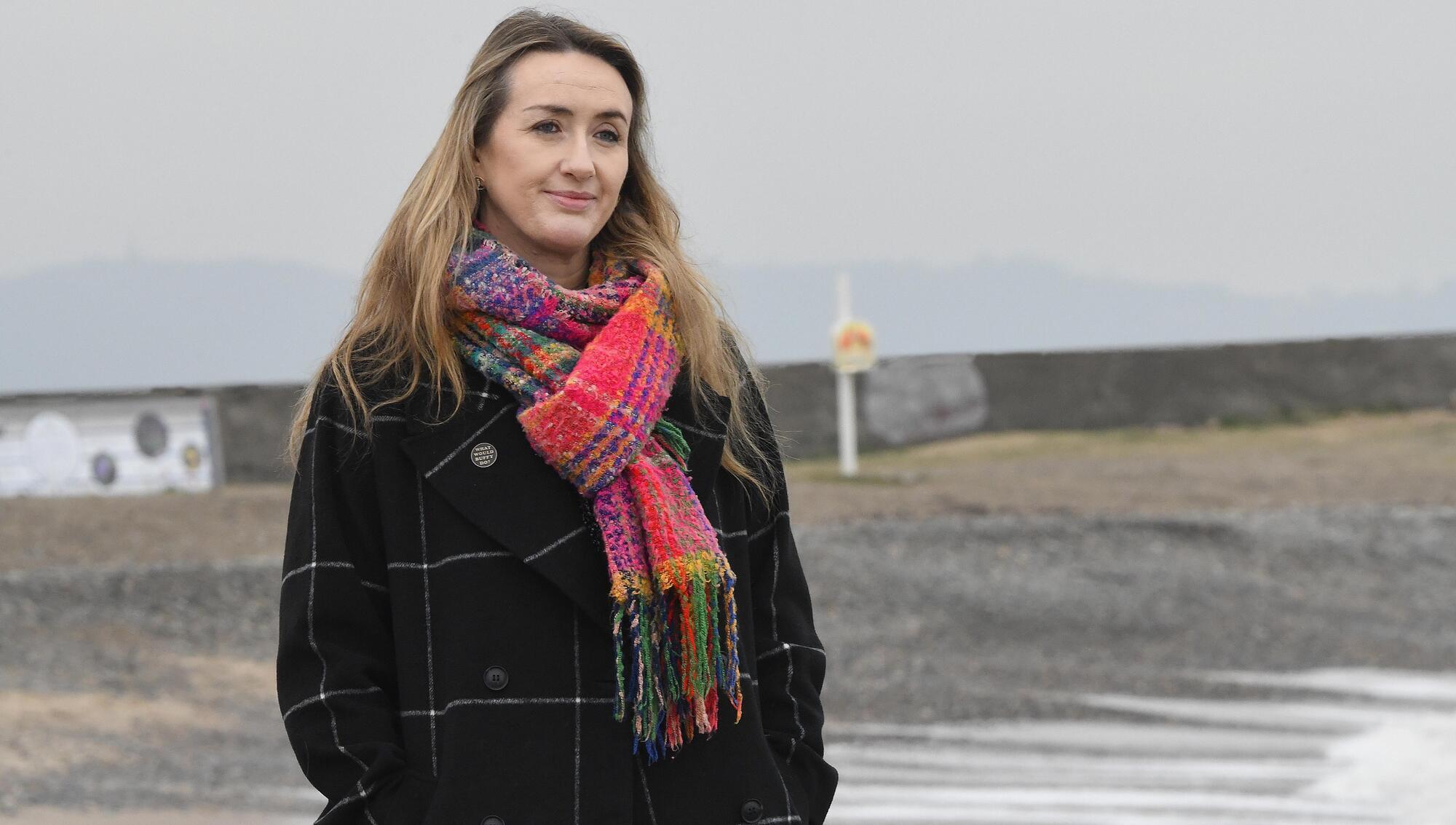
Niamh O'Reilly, who had post-natal depression after the birth of her first child. Photograph Moya Nolan

Post-natal depression is an indiscriminate thief committing crimes against mothers when they are at their most vulnerable. 

When it robbed me of those first few weeks and months of what should have been a happy time with my newborn baby in early 2017, it didn’t care that it nearly drove me over the edge. No, this ugly feeling kept going, until I hit the bottom.
With time, I rose again and went on to have a second baby with no perinatal health issues. However, seven years later, I sometimes catch myself looking back on those tired, anxious, lonely, long days with a sense of sadness for what was stolen.

One in five women in Ireland will suffer some mental health issues during their pregnancy. “It’s a very normal experience and it does not call into question your ability to parent at all in any way,” says Dr Richard Duffy, perinatal psychiatrist at the Rotunda Hospital.

Duffy is part of a team of medical and healthcare professionals working to bring perinatal mental health into the spotlight so it gets the resources it needs. Normalising it, talking about it and giving it visibility are key to that endeavour.

When I gave birth in late 2016, the moment my newborn baby was thrust up onto my chest, I knew what I was feeling was not right. I couldn’t put a name on it though. 

The words ‘post-natal depression’ had not been mentioned during my pregnancy. No one checked in on my mental health at any of my appointments or mentioned it in my antenatal classes. The focus was on the perfunctory matter of giving birth and not much else.

What I know now is that I was suffering from perinatal depression or anxiety. It’s a relatively new term that has come to reflect the much more nuanced way we now understand and approach maternal mental health.

My anxiety began while I was pregnant and I’m not alone. A 2019 study (Chaitra Jairaj and Fionnuala McAuliffe et al) found that depression can start in the second or third trimester and not just occur postnatally. 

Medics are now recognising this, and women are being given the space to verbalise their concerns. “Perinatal depression or anxiety are treated very similarly and there’s a lot of overlap,” Duffy explains.

When I got home after giving birth, I tried to push these strange feelings of anxiety aside. Armed with little more than a bagful of leaflets, one of which patronisingly mentioned ‘baby blues’, I was adrift. I felt unable to bond with my baby. 

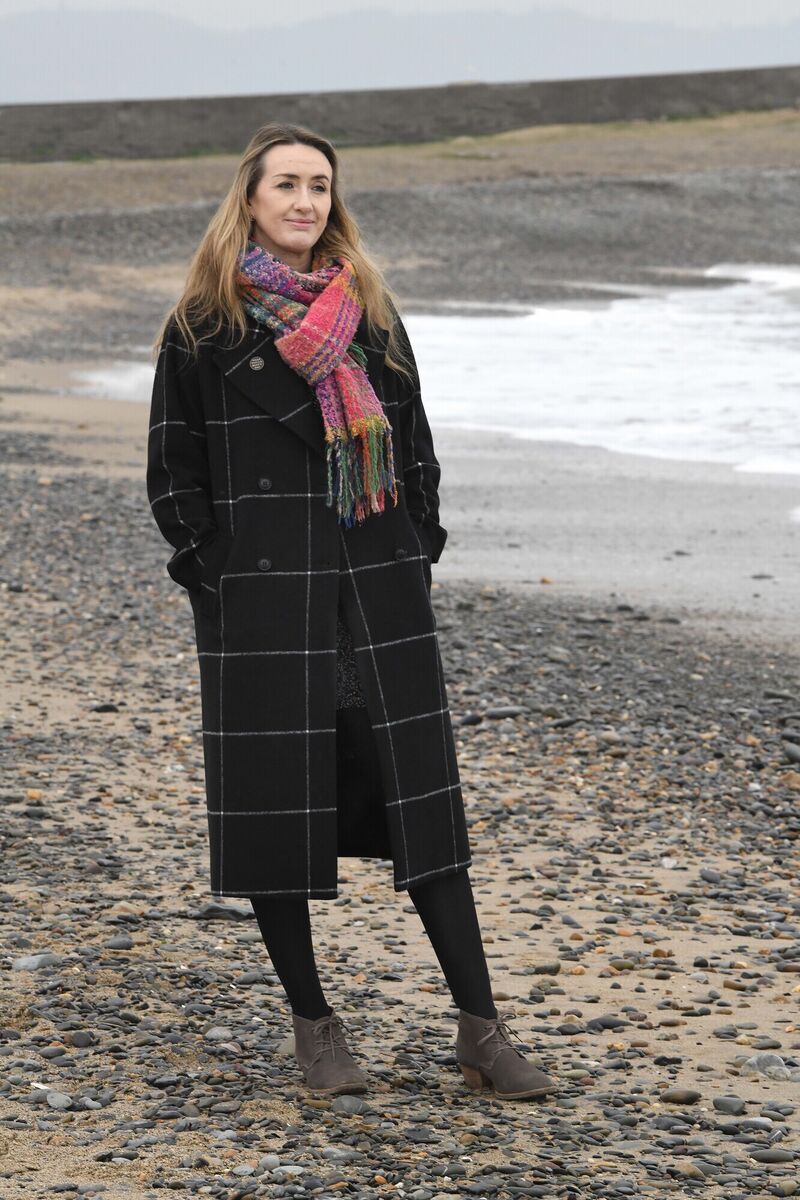
 Niamh O'Reilly: "I didn’t ask for help because I felt defective in some way. The guilt and shame were endless" Photograph Moya Nolan
Niamh O'Reilly: "I didn’t ask for help because I felt defective in some way. The guilt and shame were endless" Photograph Moya Nolan

Instead of embracing the exhausted hilarity of those hazy early days when you and your partner Google ‘Is green baby poo normal?’ and wonder if you might break the world record for lack of sleep, I was anxious all the time. I couldn’t relax. 

I couldn’t enjoy anything, and I couldn’t seem to get things right, either. My baby never seemed to settle in my clearly incapable arms. Why couldn’t I soothe him? I reasoned I must be a bad mother. 

Why didn’t I feel this mighty wave of all-consuming love I kept hearing so much about? Where was my Hollywood ending where I got to go home, rock my baby in my arms, and just be a good mother?

Instead of going away, the feelings kept growing. My husband returned to work after two weeks of paternity leave, and I was alone with my baby. I was afraid all the time. 

It would take me hours to leave the house on those cold, dark January days and by the time I had everything ready, it had gotten too late, or it was time for another feed, and I lost the courage to venture out solo. (When I recently read Claire Kilroy’s visceral book Soldier, Sailor, it was so painfully accurate in its raw description of early motherhood that I had to put it down several times to process the emotions it brought up.) 

I didn’t ask for help because I felt defective in some way. The guilt and shame were endless, so I hid my feelings and pushed them down. If only I’d known my feelings were incredibly common and very treatable. 

“There are lots of options, plenty without medication; talking therapies, and support groups are important,” says Duffy.

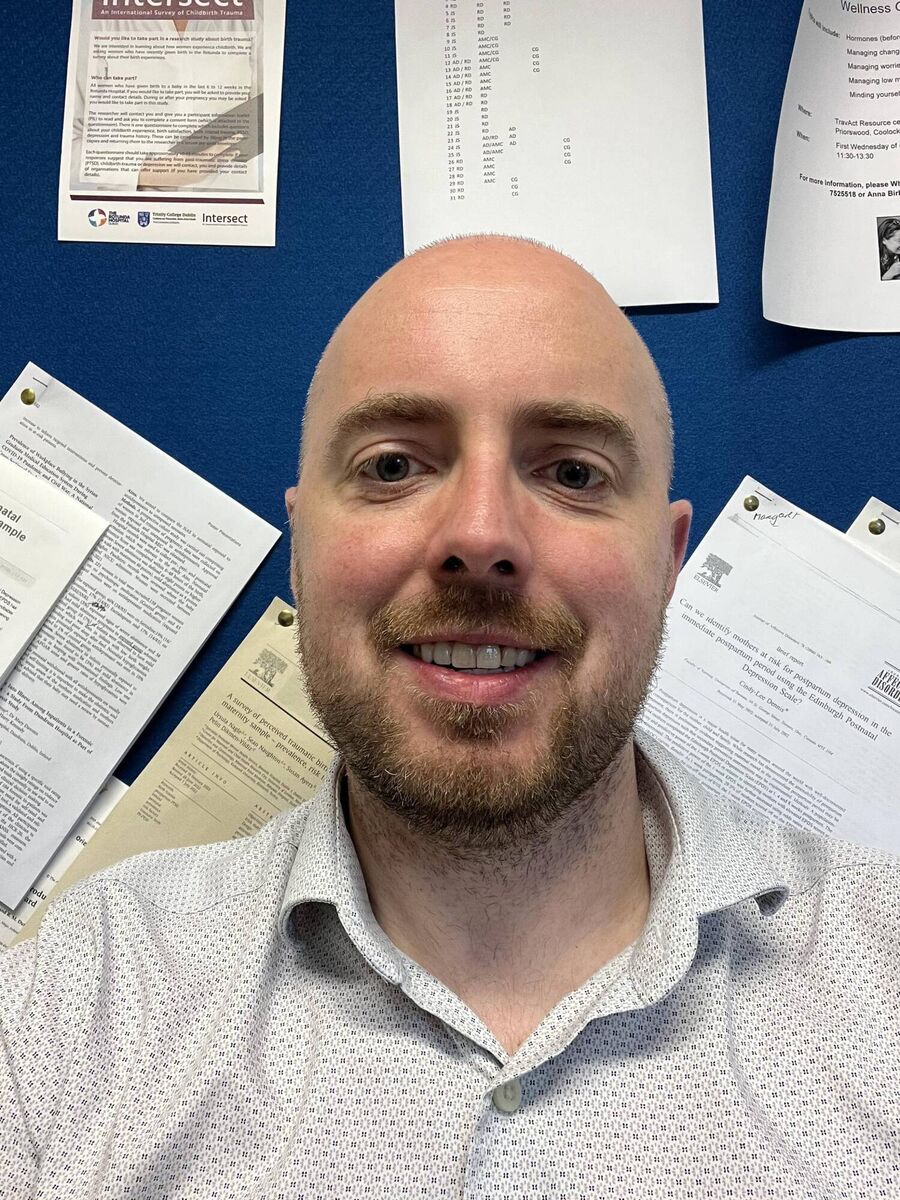
Dr Richard Duffy, perinatal psychiatrist at the Rotunda Hospital.

Crucially, medical staff spend a lot of time in the Rotunda trying to identify women who are at risk and offer support early on. Screening is now becoming part of the normal routine of antenatal appointments and women are asked about their mental health as par for the course.

These are all significant strides. Yet, Ireland still lags with regard to a lack of a dedicated mother and baby unit to support women experiencing mental health difficulties. Duffy is hopeful, however. 

“If you deliver in one of the six hub sites — the three Dublin maternity hospitals (NMH, Rotunda, Coombe) or in Cork, Limerick, and Galway there is a pretty comprehensive service for you. If you deliver in one of the 13 other maternity centres, it’s not as ideal,” he says.

This shortfall is something he’s actively hoping to change as he and his colleagues sit down soon to write the model of care 2.0.

It feels like there’s still a long way to go. Sharing stories helps. In the last number of years, we’ve seen high-profile women like Una Healy, Rosie Connolly, and Paloma Faith share their own experiences of post-natal depression. It’s a far cry from when Tom Cruise infamously criticised Brooke Shields for talking publically about her post-natal depression and taking anti-depressants in the early 2000s. 

I was not an official statistic in 2017. Like many women, I struggled in silence. Time was a healer, but sharing my story has been one of the most cathartic things I’ve done, and I’d urge other women to talk about how they are feeling, safe in the knowledge that their depression is not their fault.

For support, see:

More in this section

Lifestyle

Newsletter

The best food, health, entertainment and lifestyle content from the Irish Examiner, direct to your inbox.

Cookie Policy Privacy Policy Brand Safety FAQ Help Contact Us Terms and Conditions

© Examiner Echo Group Limited