Touch: The importance of reaching out for emotional wellbeing

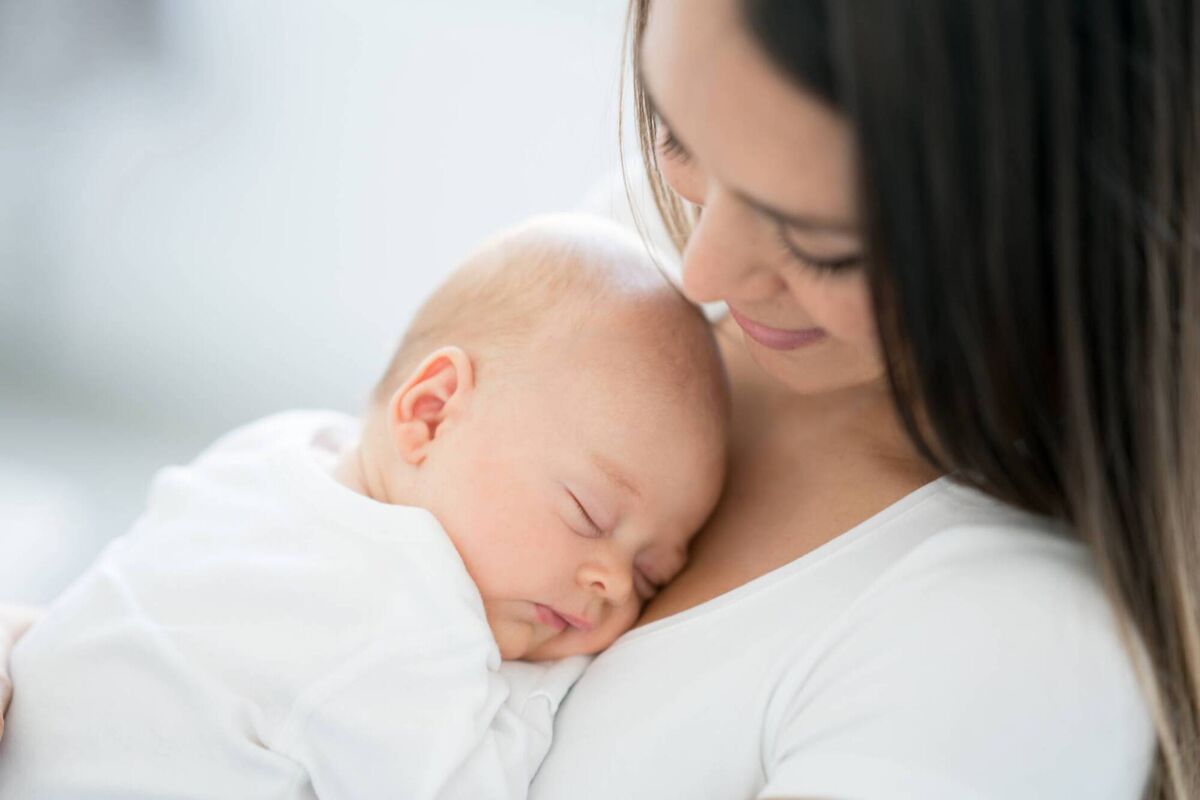
Contact comfort helps soothe nerves, reduce blood pressure and slow down our heartbeat. It also releases the hormone oxytocin, which promotes emotional bonding
Touch: The importance of reaching out for emotional wellbeing

Pic: iStock

When holding your partner’s hand, you feel the heat from their skin, the softness of their palm, the indentation of their rings, and the pressure from their fingers.
Sensations begin as signals generated by touch receptors in your skin. They travel down sensory nerves that connect to the spinal cord. 

The signals then travel to the thalamus in the brain and from there to the somatosensory cortex, where signals are translated into a touch perception.

The pandemic played havoc with our ability to touch one another. Locked down at home and isolated from friends and family, many people felt physically and emotionally isolated, bereft of hugs and handshakes. Missing from so many lives was a fundamental need for human touch.

Experiments on monkeys led by a team of Wisconsin psychologist Harry Harlow in the 1930s took newborn rhesus macaques from their mothers. 

They isolated them in cages with two vaguely monkey-shaped surrogates, one made of bare wire and the other covered with soft cloth.

In one of Harlow’s experiments, only the wire ‘mother’ dispensed milk. The baby monkeys taught themselves to drink from it, but as soon as they were done feeding, they hurried to their softer fake mother, grasping it in a clutching embrace.

Harlow’s monkey experiments were ethically abhorrent but demonstrated how our close evolutionary cousins have such profound innate requirements for ‘contact comfort’ that they will spurn a steady food source in favour of a soft and comforting touch.

Further research over the decades has uncovered a vast array of poor health outcomes when we are deprived of touch. 

The less touch we have in our lives, the greater the likelihood of anxiety, depression, and stress. Touch has been found to calm agitation and slow down our heartbeat. 

Human touch can lower blood pressure as well as cortisol, the stress hormone. It also triggers the happy hormone oxytocin, which promotes emotional bonding.

Pic: iStock
Pic: iStock

These experiments have influenced the way babies are cared for in neonatal units, using a protocol called kangaroo mother care — placing the newborns against their mothers’ bare chests as soon as possible after birth and keeping them there for many hours at a time. Babies held skin-to-skin have immediate access to breast milk and can absorb protective microorganisms.

A paper published in Early Human Development (2008) showed that skin-to-skin contact in even the first hours after birth has been shown to help regulate newborns’ temperature, heart rate and breathing and decrease crying.

Infants cannot survive without human touch. One of the best-known studies on the science of touch (Carlson and Earls, 1997) examined the impact of sensory deprivation in understaffed orphanages in Romania. 

The latest research looks at the long-term effect of severe institutional sensory deprivation on orphans adopted into nurturing families. 

The researchers found that in a group of young adults who had been adopted into British families, there were changes in brain volume linked to their early life deprivation “statistically associated” with lower IQ and greater attention deficit hyperactivity disorder (ADHD) symptoms.

This evidence is relevant to the millions of children worldwide who continue to live in non-familial institutions where they can be deprived of sensory stimulation and, therefore, at risk of enduring lifelong effects.

Psychology professor at the University of California Dacher Keltner, who has spent over 15 years teaching and supervising research in the science of touch, says that touch is our earliest and fundamental language of social connection.

According to Keltner, humans are believed to have used “tactile communication” before we began figuring out speech. Touch is now thought to be the first sensation a foetus perceives. At birth and during the initial moments of life, it is an infant’s most critical and fully developed sense, the way babies start exploring the world, developing confidence, learning where their bodies end and everything else begins.

As Valentine’s Day approaches and our thoughts turn to chocolates and romantic dinners, remember that food may be necessary for survival, but touch is what sustains us.

  • Dr Catherine Conlon is a HSE public health doctor

More in this section

Lifestyle

Newsletter

Eat better, live well and stay inspired with the Irish Examiner’s food, health, entertainment, travel and lifestyle coverage. Delivered to your inbox every Friday morning.

Cookie Policy Privacy Policy Brand Safety FAQ Help Contact Us Terms and Conditions

© Examiner Echo Group Limited