The Fabulous Pharmacist: We have been doing women's health a disservice for many years
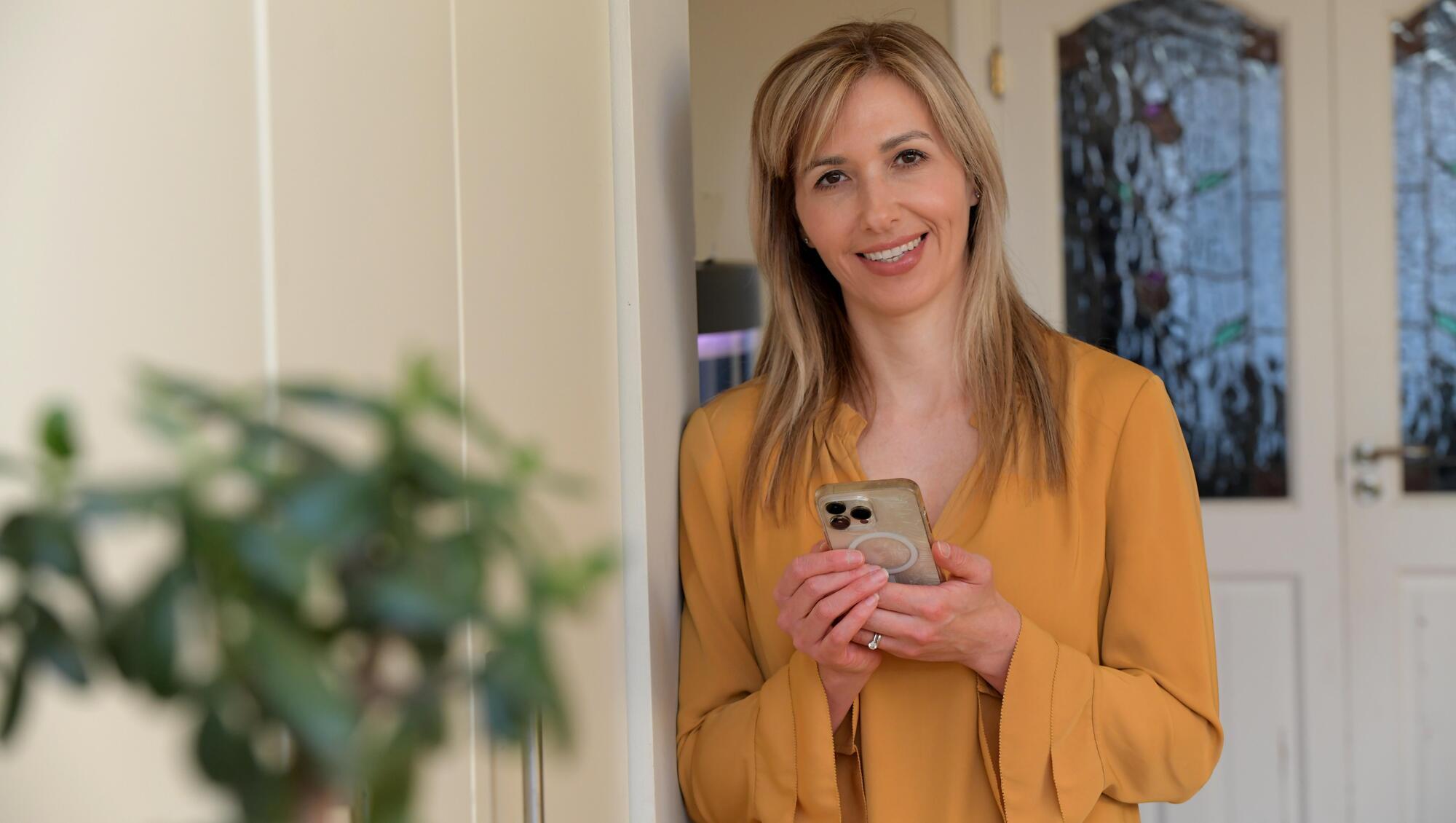
Our new guest columnist Laura Dowling, aka the Fabulous Pharmacist, gets real about perimenopause symptoms, HRT options, and why seeking treatment for this very natural biological change shouldn’t be taboo
The Fabulous Pharmacist: We have been doing women's health a disservice for many years

Laura Dowling. Photograph Moya Nolan


Perimenopause is the period leading up to the menopause — the point in time when you haven’t had a period for 12 consecutive months.

A vast range of symptoms can occur in the lead-up to this time in your life. 

They range from psychological — low mood, lack of joy, and high anxiety — all the way to sore joints, poor sleep, and hot flashes.

If a woman’s quality of life has been impacted by her symptoms, she should definitely seek support and help. 

It can also present as irritability, inability to deal with stress, crankiness with loved ones, and pelvic floor issues. 

Even frozen shoulder is a sign that your body is changing.

You can overcome these challenges through lifestyle choices like diet, exercise, and sleep. 

Hormonal replacement therapy (HRT) is also an option for many women. 

Unfortunately, over 20 years ago, scaremongering made HRT the demon, leading to many not being looked after property.

So what’s actually happening? Women are born with estrogen receptors all over their bodies, which are flooded with estrogen as we grow, particularly once we hit puberty. 

In our 40s, the estrogen production in our ovaries starts to fluctuate. 

We naturally have highs and lows in our hormones, but it’s in a cycle. When we are in perimenopause, the hormone levels get quite erratic, and that’s why women get symptoms.

Women might experience low mood and be down in the dumps for a couple of months. And they think, “OK, I should book in with my doctor”. 

But then things settle down and they don’t bother seeking help, but feeling low is due to a hormone imbalance.

Changing female attitudes

Often, it comes down to that whole thing about women putting up and shutting up when they experience symptoms.

There’s a mentality sometimes of, “Oh, my mother put up with it, therefore I should too”.

But we shouldn’t be thinking like that. Menopause is a day in your life when it’s a year since your last period, and after that, you are post-menopausal.

If you are a woman in her 40s (this can vary) experiencing symptoms relating to perimenopause, treatment can help you to get over the hump of those cyclical changes.

We are now only joining the dots about what’s happening to our bodies, whereas before we would have said: “I have creaky joints; it must just be old age.”

Track your period if you can. There can be misinformation about a few things.

For example, if you are being told you are too young for your symptoms to possibly be perimenopausal, it’s worth revisiting your GP because we don’t need to suffer in silence.

We also need more upskilling with doctors and pharmacists in hormone care and more specialists in dedicated menopause healthcare. 

I studied pharmacy for five years, a full-time 40-hour week course, and we did one hour of HRT.

Menopause was never seen as a multi-faceted issue for women. It was presumed if you had sore joints, you went to a rheumatoid specialist. 

You might go to a psychiatrist for depression or your GP, but medics weren’t joining the dots.

Just because we are moving beyond our reproductive years doesn’t mean our health and wellbeing don’t matter as much. 

For years, women’s mental health issues around the age of 50 were put down to “empty-nest syndrome”.

The highest rate of suicide among women is between 45 and 54. This is no coincidence. How many of these deaths are down to fluctuating hormone levels? 

We have been doing women a disservice for many years. Our health has not been prioritised.

Big squeeze

This is also a time when women are in flux in their lives. 

We call them the “sandwich years” — they may be taking care of elderly parents or dealing with teenage challenges or career changes. 

These days, women in their early 40s could be breastfeeding or have toddlers, all while experiencing perimenopause and wondering why they are so exhausted and anxious. 

There’s so much going on at this life stage, and it’s almost too easy to bury the hormonal issues by blaming it on life being busy. 

I’m here to tell you to take the time to take a deep breath and ask yourself what’s going on inside your body.

Supporting changing hormones

HRT gives your body a steady dose of hormones like estrogen, progestogen and, in some cases, testosterone, which decline in your body as you approach menopause. 

Different forms of HRT can be taken in different ways: Oral (the most used in the past) but there’s also transdermal (absorbed through your skin via a gel or spray), or a patch (like a plaster).

If you have a womb, you take progestogen too, which is usually in capsule form or via the Mirena coil inserted into your uterus. This is also a very effective contraceptive and releases a steady dose over a number of years.

In the past, hormones were synthesised, but now they are body-identical as standard and are more closely aligned to your hormones. 

But it’s fair to say that women often need a bespoke treatment depending on their symptoms, which is why it’s essential to find someone who understands the nuances of menopause and who can really listen to you explain how it’s impacting your life.

There are other supports to consider, too: taking vitamin D, doing weight-bearing exercises, cutting down on alcohol (which will help your sleep), practising yoga, and taking time for yourself.

It takes a village

Most of us are slow to ask for help and support from our loved ones. But no woman is an island. 

We can’t expect our partners or kids to understand menopause if we don’t understand it ourselves first.

But it’s not all doom and gloom. There’s a rough rule that 20% will have a tough time and will need a lot of support and care, about 20% will sail through with little or no symptoms and there will be about 60% who will muddle through with highs and lows but they’ll get through it all OK. Menopause isn’t the most awful thing in the world. It’s just our reproductive element being put behind us.

And it’s absolutely treatable, as long as we know where and who to ask for help.

x

Celebrating 25 years of health and wellbeing

More in this section

Lifestyle

Newsletter

The best food, health, entertainment and lifestyle content from the Irish Examiner, direct to your inbox.

Cookie Policy Privacy Policy Brand Safety FAQ Help Contact Us Terms and Conditions

© Examiner Echo Group Limited