Going with the flow: recognising and managing UTIs like cystitis
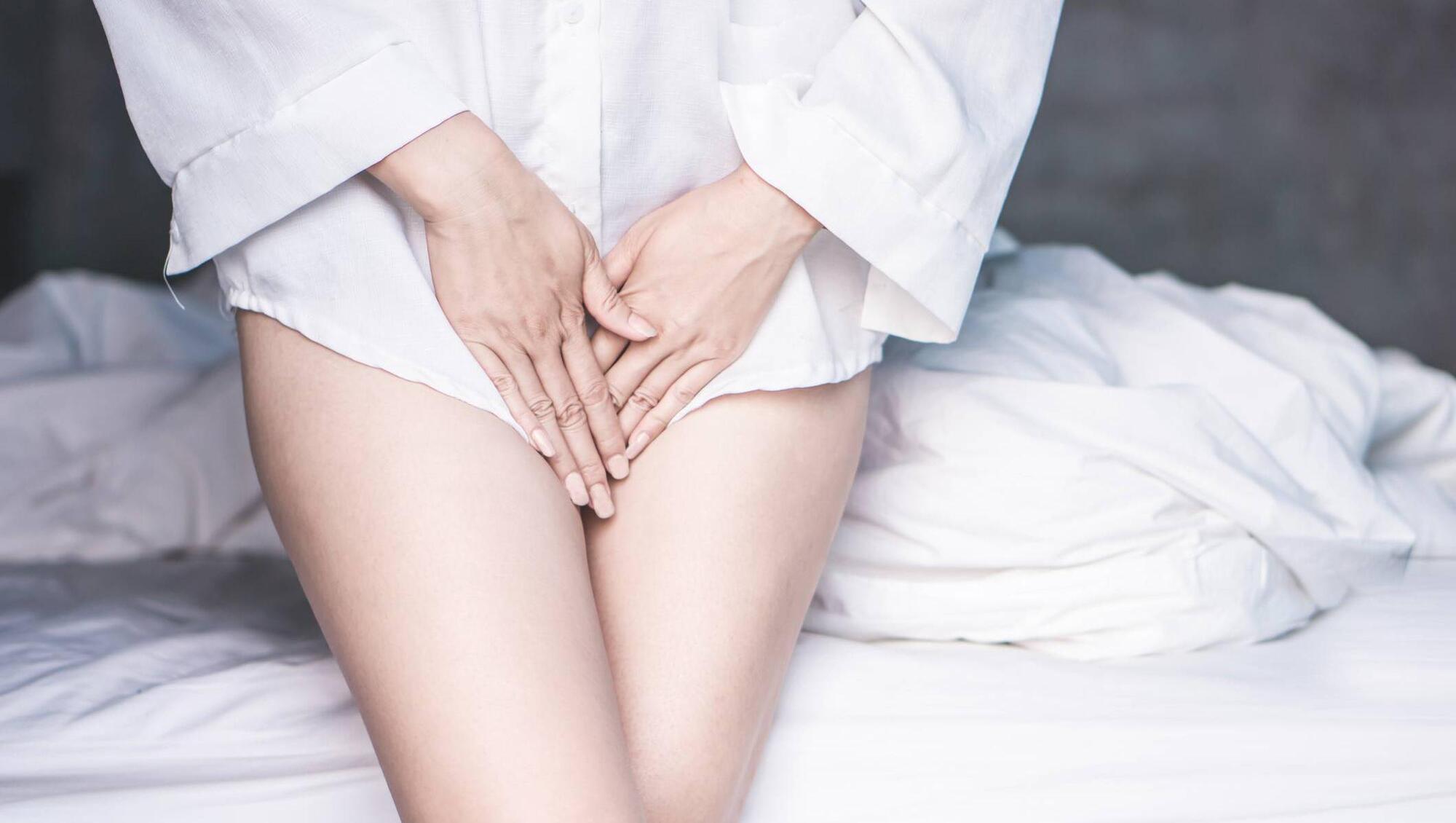
You know it's cystitis when you get a sudden urge that leaves you running for the nearest toilet, only to experience a burning pain when you pee. But there are simple ways to keep the bladder infection at bay
Pic: iStock

Pic: iStock

To pee or not to pee — the question doesn’t even arise for someone suffering from cystitis. The urge to get to a toilet is imperative — you need to get there fast. But there is no relief when you do — rather a burning pain as you urinate that can leave you wincing. You finish, stand up and before you’re in the next room you feel the need to go again.

Cystitis is no joke. It commonly presents with pain passing urine, increased frequency of urination, and need to pass urine urgently — lower abdominal discomfort can also be a problem, says Mallow-based GP and assistant medical director of the Irish College of General Practitioners (ICGP) Dr Nóirín O’Herlihy.

“In children, it may present with fever, reduced appetite, vomiting, abdominal pain or wetting themselves. Elderly patients may be confused or have a high fever,” says O’Herlihy, who emphasises symptoms requiring more urgent attention: Fever, confusion, blood in urine, back pain, vomiting, and feeling generally unwell.

A lower urinary tract infection (UTI) affecting the bladder and urethra (water pipe), cystitis is often called a “bladder infection” and it hits women much more often than men.

Lisa Smyth, consultant urologist at Tallaght University Hospital and St James’s Hospital says this is because of women’s different anatomy. “In women, the urethra is a lot shorter, so it’s easier for bacteria to ascend up and cause infection.”

Dr Nóirín O'Herlihy, GP and assistant ICGP medical director

The ‘honeymoon’ condition

Estimates for cystitis in the community are 3% to 12.6% per year for women — compared to 0.5% to 3% per year for men. About 30% to 50% of women who get acute cystitis will develop recurrent cystitis, which the European Association of Urology defines as either three proven separate bladder infections in a year — or two in six months. And the oestrogen drop in post-menopausal women will often leave them prone to cystitis attacks.

“Cystitis can significantly impact a woman’s life,” says O’Herlihy, who points to findings that women suffering from recurrent cystitis have reduced quality of intimate and social relationships, self-esteem, and capacity for work.

“It’s just frustrating. The symptoms are very irritating,” says Smyth. “Women feel they can’t leave the house without knowing at all times where there’s a toilet. Some will get incontinence — or their underlying incontinence will get worse. And they can have trouble clearing infections.”

It is ironic that something so unpleasant can often be called “a honeymoon” condition.

“Sometimes bladder infections can be precipitated by recent sexual intercourse. This can lead to the introduction of organisms to the urethra and therefore increased cystitis risk,” says O’Herlihy, citing a study that found women who had sexual intercourse in the previous 30 days were over five times likelier to have a UTI compared with women in a control group.

“Women may be prone to cystitis after a first sexual encounter if they have sex after a period of abstinence – so it’s sometimes called ‘honeymoon cystitis’. People who notice this can reduce the chance of infection by passing urine after intercourse,” advises O’Herlihy.

There may also be a small genetic susceptibility to cystitis, O’Herlihy says. “In one study, women whose mother had a history of UTIs were 1.6 times more likely to have a UTI than women who didn’t have [that] history.”

Dealing with recurring UTIs 

Certain conditions increase the chance of developing bladder infections, including abnormalities within the urinary tract (these are quite uncommon), urinary catheter, diabetes, spinal cord injuries, pregnancy, weak immune system, and older age.

Smyth explains that patients referred to her generally have recurrent or complicated UTIs. “There could be an underlying abnormality in their urinary tract — an anatomical or functional disorder. Or they might be on immune-suppressant therapy. UTIs are very uncommon in men so by their nature these are complicated.” She points out that sometimes women get cystitis that is not caused by infection. “Cystitis can be caused by radiation therapy — that’s not an infective cystitis. Or there’s interstitial cystitis, which involves a painful bladder — if the GP checks the urine, it will be clear of bacteria.”

Smyth also recommends that women “shouldn’t be routinely getting their urine checked all the time” — because there might be bacteria in a woman’s urine, yet she might be asymptomatic. “Women shouldn’t be treated with antibiotics if they don’t have symptoms — or they end up antibiotic-resistant.”

Women suffering from mild cystitis often don’t need to see their GP — symptoms may settle without treatment, O’Herlihy says. “Increasing fluid intake may help. However, if symptoms aren’t settling within one to two days, it’s worth contacting your GP, who may ask for a urine sample. This will often be sent to the lab for testing to confirm if there’s a UTI,” she says, adding that the GP may commence antibiotics before the result comes back. “These usually improve symptoms within two days.”

In severe cases, if the person is very unwell, hospitalisation may be required for tests to rule out a pyelonephritis, O’Herlihy says, explaining that this a much more severe infection — thankfully not common — which could require intravenous antibiotic treatment.

Tips for preventing cystitis

  • Drink plenty of water.
  • Urinate regularly.
  • Wipe from front to back after bowel motion.
  • Shower rather than take a bath.
  • Avoid use of soaps or hygiene products to protect vaginal area from irritation.
  • Empty bladder as soon as possible after sex to flush out any bacteria.
  • Speak to pharmacist about over-the-counter products including probiotics and cranberry supplements. D-mannose (simple sugar supplement) has been found effective in preventing UTIs.
  • Women in post-reproductive years might consider using vaginal oestrogen — proven to prevent recurrent cystitis.

More in this section

Lifestyle

Newsletter

Eat better, live well and stay inspired with the Irish Examiner’s food, health, entertainment, travel and lifestyle coverage. Delivered to your inbox every Friday morning.

Cookie Policy Privacy Policy Brand Safety FAQ Help Contact Us Terms and Conditions

© Examiner Echo Group Limited