Dehydration, DVT and more: Doctors share their in-flight health advice for summer travel
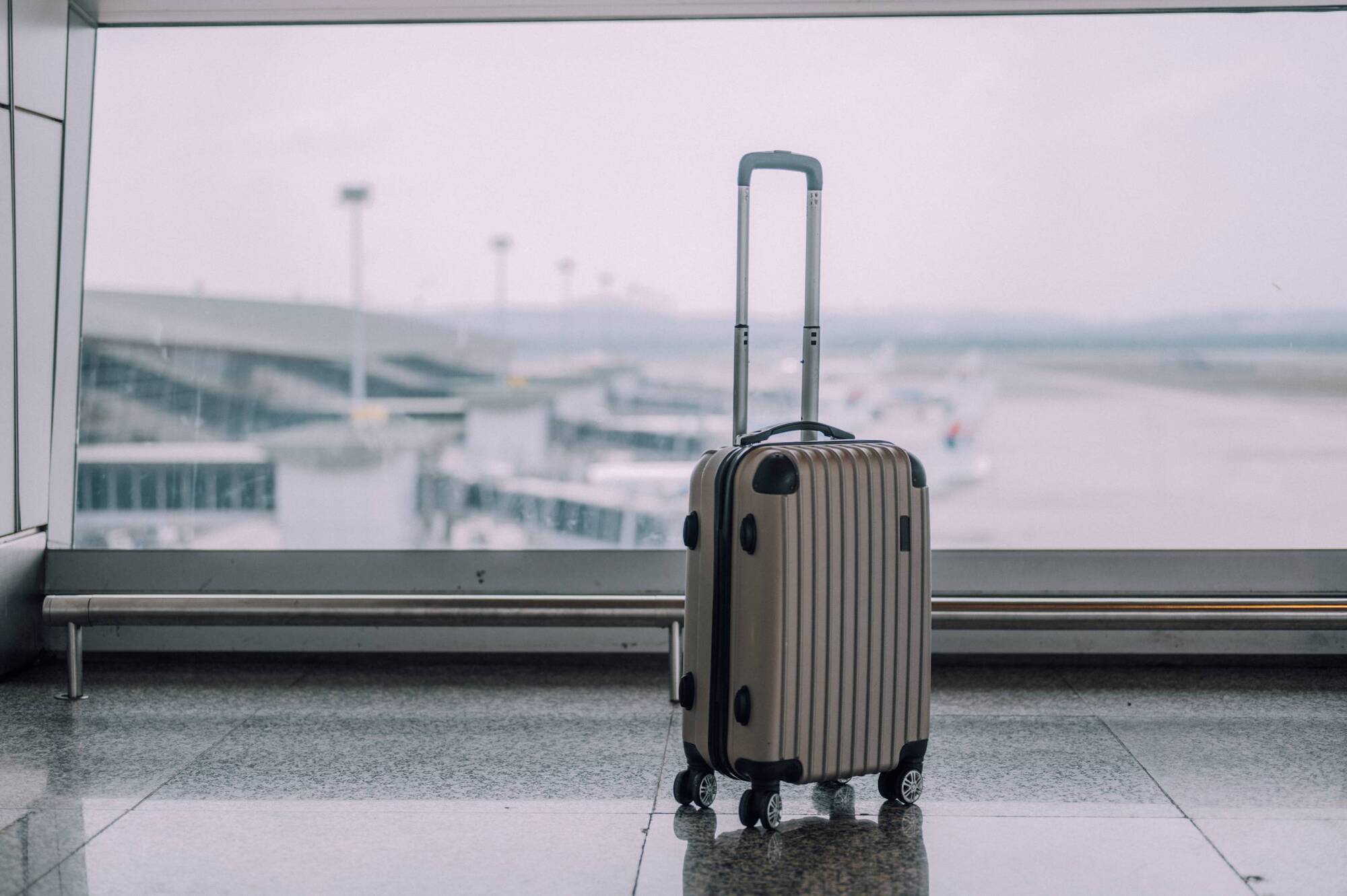
Tackling everything from jet-lag to germs.
Holidays are great â but travelling can take its toll on your body and mind, particularly when flying long distances.
âWhen you consider that pressure, temperature and oxygen levels fluctuate in the aircraft, add in the fact that humidity levels are lower than sea level â itâs not surprising flying can upset some of your bodyâs normal functions,â says Dr Chun Tang, medical director and GP at Pall Mall Medical. âNot forgetting, most people feel varying degrees of stress before take-off too.âÂ
So, if your summer holiday is set to include a hefty flight, what are some of the key things to think about when it comes to health and wellbeing?
âAirplanes can dehydrate you because half of the air circulating in the cabin comes from the outside, and when youâre at a higher altitude there is hardly any moisture in the air,â says Tang.
If you want to help mitigate the impact of dehydration while flying, consider what you eat and drink both before and during.
âEat something light, like a salad and fruit. Avoid salty fast food, especially before flying, as this can cause bloating and dehydration,â suggests Tang. âMany people like to have an alcoholic drink in the departure lounge prior to flying, but you are just dehydrating yourself further. Avoid coffee too and stick to fresh juices and water.
âAfter youâve flown, tempting as it is to go and get an alcoholic beverage, keep drinking water to restore hydration.âÂ

Tang explains: âWhen you fly, youâre exposed to more germs because youâre near others â thatâs why itâs common to catch a cold or sniffle following a flight. Your tray table, seatbelt and other surfaces that are frequently touched will also be covered with germs.
âCarry a small bottle of hand sanitiser and cleaning wipes with you,â he suggests, âand wash your hands frequently during travel.âÂ
Jet-lag is a pain and can easily ruin the start and end of a trip. So, how can you mitigate its impacts and keep your sleep cycle solid?
âExposure to light is incredibly important for regulating your body clock. When itâs dark outside, youâre more likely to fall asleep,â says Tang.
âIf youâre travelling west to the USA or South America, for example, you should seek light in the evening time. If youâre headed east, then you want to restrict light exposure if youâre arriving at night-time and seek it out in the morning.
âStudies show that blue light from your smartphone or tablet can keep you awake, so avoid these when youâre trying to get some sleep,â he adds.
Tang says another possible âside-effect of flying can be stress on your ears due to pressure changes in the cabinâ. This is why itâs often advised that people avoid flying if they have an ear infection, for example.
âWhen the outside pressure changes quickly during take-off and landing, you may feel your ears pop. Sometimes this imbalance can cause motion sickness because your brain is receiving conflicting messages,â says Tang. âTry swallowing or yawning to open the eustachian tubes [which connect the middle ear and throat] during take-off and landing.âÂ

Deep vein thrombosis (DVT) is a very real concern for many people when flying. These blood clots, which usually affect the legs, can be extremely serious.
âOne of the most common causes of DVT is prolonged periods of inactivity when travelling long distances,â says Professor Mark Whiteley, leading venous surgeon and founder of The Whiteley Clinic. âWhen people significantly reduce the activity in their legs, the blood flow becomes very sluggish in the deep veins â therefore putting people at a higher risk of a clot forming.
âIt is important to keep as active as possible when flying by regularly stretching and going for a walk up and down the cabin aisle, at least once per hour if it is a long flight,â he adds. âI would also advise wearing properly fitted flight stockings. This speeds up the flow of blood in the veins and therefore reduces the risks of the blood clotting.â Anyone can potentially get DVT, but if you have a history of blood clots or may be at increased risk, always speak with your doctor before travelling.
âIf you have pre-existing health conditions, then itâs best to check with your GP on any specific aspects of flying that may impact you,â says Tang. âYouâll also need to ensure that you have purchased adequate travel insurance that will cover you should you require any medical attention while abroad.âÂ
Another important consideration is to make sure any medication you will need is stored in your hand luggage/carry-on bag, and not in the hold (in case it goes missing). Some countries may also have restrictions on certain medications â ensure you speak with your doctor well in advance of travelling.