'I started restricting my food when I was eight': My ten-year battle with an eating disorder 

At the height of her illness, Niamh Jimenez reduced her food intake to under 500 calories a day. Now recovered, she examines the latest science and debunks some of the common myths surrounding eating disorders
'I started restricting my food when I was eight': My ten-year battle with an eating disorder 

Niamh Jimenez. Photograph Moya Nolan

I started restricting my food when I was eight. Hiding food in my cheeks and pockets and then dumping it in school bins, toilets, and an emergency box under my bed seemed logical, to ward off chaos. Slowly, it evolved into an elaborate game of self-punishment, the rules of which were: eat no more than 500 calories per day, 480 for bonus points — that’s the amount of calories in a share-size pack of Haribo Goldbears.
As isolated as I felt growing up with anorexia, I know now I was not alone. In Ireland, the National Clinical Programme for Eating Disorders (NCPED) estimates that 189,000 people will have an ED, with 1,757 new cases each year among those aged 10-49.

Anorexia nervosa accounted for 43.2% of all referrals received by the NCPED between March 2018 and October 2020, with more than half of these in the 10–17-year age group.

Kathy Downes, the support-services manager of Bodywhys, says that anorexia is most prevalent among service users, followed by bulimia nervosa and binge eating disorder, with a small, recent increase in avoidant restrictive food-intake disorder (ARFID).

As a teen attending an outpatient ED clinic, my idea of what a person with an ED ‘should’ look like was shattered.

In this setting, I met people of all shapes and sizes, most of whom defied the stereotypes of the emaciated anorexic and the obese over-eater.

EDs are indiscriminate and can affect anyone, regardless of age, race, gender, ethnicity, class, or body size. According to Michelle Clifford, clinical lead of NCPED, awareness of these diverse presentations is essential not only for patients and their families, but also for GPs and medical professionals, since “people with EDs can present [in a variety of settings] across the health service”.

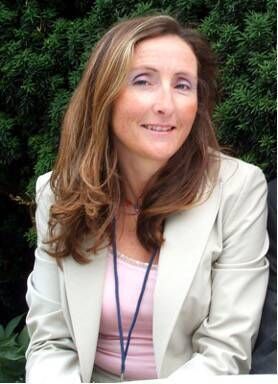
Fiona McNicholas
Fiona McNicholas

Fiona McNicholas, professor of child and adolescent psychiatry at University College Dublin, says that dramatic weight loss is a stronger predictor of anorexia than an individual’s absolute weight at diagnosis. “Someone could start off as a size 18, drastically reduce their intake to about 500 calories a day, and get down to a size 10.

“That’s a normal weight relative to the population, but for that individual, it’s an abnormal weight,” she says.

According to Professor McNicholas, significant weight loss, persistence of disordered eating habits, and an overemphasis on body image, all indicate to the clinician that intervention may be necessary.

In addition to our misconceptions about EDs and weight, the NCPED is drawing attention to the historical under-recognition and under-diagnosis of EDs in men, of whom nearly one in seven will have developed an ED by the age of 40.

Increase during pandemic

According to the Irish Medical Journal, hospital admissions for ED patients increased by 25% between March and September 2020, with 40% of these patients being male — a higher percentage than in any previous year.

Bodywhys, which had about 5,838 service users last year, also had a significant increase in demand during the pandemic, with an overall service increase of about 48%, says Ms Downes.

Prof McNicholas, who shared her research findings at the London International Eating Disorders Conference last month, suggests that the rise in EDs during the pandemic could be linked to reduced social interaction and increased focus on healthy habits and exercise.

Despite a range of factors contributing to the development of an ED, media that promote “unrealistic body weight ideals” continue to play a significant role, says Prof McNicholas.

Her 2010 ‘Eating Problems in Children and Adolescents’ (EPICA) study, of more than 3,000 Irish secondary school students, found that 32% of girls aged 12-19 were dieting and that 29.4% were dissatisfied with their bodies, indicating that body image concerns emerge early in life.

I was 16 in the year that the McNicholas study was published, and that’s when I discovered that another family member was also affected. In hindsight, I could not help but ask myself: was this illness my biological fate? Research demonstrates that genetic factors can account for up to 60% of ED risk, but what about the other 40%?

My decade-long war of cycling back and forth between brief respite and crushing relapse simply cannot be reduced to an airbrushed Instagram post, a whim to slide into size-zero jeans or a locus on a chromosome.

Ms Clifford highlights the need to challenge the pervasive myth that EDs are simply a “lifestyle choice”. For me, the truth turned out to be far more complex and slippery: a web of biology, social conditioning, early trauma, and perfectionism.

With the help of psychotherapy, nutritional guidance, and the unwavering support of loved ones, I began untangling myself from the web and challenging my own deep-rooted anxiety.

Prof McNicholas says that an overwhelming number of people with EDs also experience anxiety disorders, with about a third of ED patients found to have obsessive-compulsive disorder (OCD). Studies suggest that ED patients often exhibit a drive for order, self-control, and top performance that extends far beyond physical appearance.

Those with EDs self-report and demonstrate higher levels of self-critical perfectionism compared to those with other types of mental illness.

Perfectionism aside, what about the underlying biology?

With her infamous mantra from 2009, ‘Nothing tastes as good as skinny feels,’ the model Kate Moss uncovered a hidden reality, one that penetrates beyond our culture’s glorification of frail, waiflike images of femininity to expose an oft-overlooked biological truth.

When a person’s malnutrition reaches a certain stage, their self-starving behaviours are biologically reinforced by addictive, feel-good endorphins.

“Something triggers you and then your malnutrition maintains you in that state,” says Prof McNicholas.

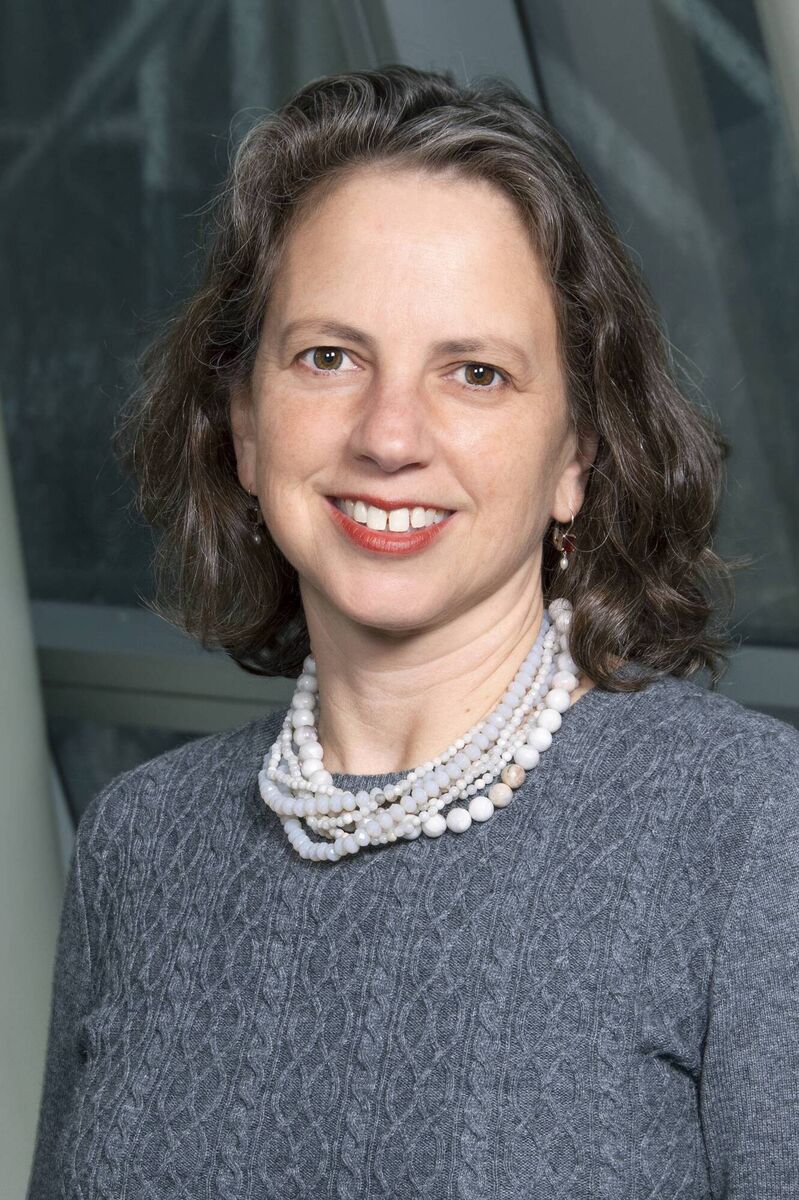
Joanna Steinglass
Joanna Steinglass

A death every 52 minutes

The combined influence of trauma, deeply embedded personality traits, and biology can create a powerful storm for someone with an eating disorder, the impact of which should not be underestimated.

According to a recent report by the Harvard University public health initiative STRIPED, this storm kills one person every 52 minutes in the US.

“Recognising that this is an illness, like any other psychiatric illness, with a neurobiological basis, really changes the thinking about it and changes the conversations with patients in ways that are really important,” says Joanna Steinglass, professor of psychiatry at Columbia University and associate director of the internationally recognised Columbia Centre for Eating Disorders (CCED).

While ED research has traditionally focused on social and psychological factors rather than the neuroscience, Prof Steinglass says that this is shifting. Many of the behavioural interventions at the CCED have been informed by her research, which has linked the act of restrictive eating to specific neural mechanisms.

Through neuro-imaging studies, Prof Steinglass and colleagues have found that, when making food decisions, their anorexic patients use the anterior caudate, a part of the brain that healthy controls do not.

Prof Steinglass’s treatment recognises that disordered eating is not a matter of “willpower”, but the result of being “stuck with an illness that nudges the brain towards [deeply entrenched] habit mechanisms”.

The CCED’s treatment programme, Relapse Prevention and Changing Habits (REACH+), supports patients to develop awareness of the chain of events leading to these semi-automatic behaviours, and to build new, beneficial ones.

This approach has parallels with Marie Campion, ED practitioner for over 30 years and founder of the Marino Therapy Centre, a private outpatient service that I attended in my teens.

Ms Campion believes that it is critical for individuals to use different language when communicating with themselves.

She says that people may be empowered to overcome eating distress and the “not good enough syndrome” by “observing their thoughts” and by “making different choices” in response to them.

While Ms Campion and Ms Clifford emphasise that recovery is possible at any age, Ms Clifford asserts the value of evidence-based treatment within the first three years of onset of the ED. “With early intervention, we can get really good recovery rates from between 50% to 75%, especially in younger people,” she says.

Although 75% of NCPED patients begin treatment within eight weeks of referral, free supports are available to those who are waiting, such as the HSE self-care app for EDs, which has attracted 16,000 users since its 2020 release, and the four-week PiLaR programme for families offered by Bodywhys.

Patients and their loved ones can also turn to podcasts like Calling It Out, which is hosted by Ms Campion’s daughter, Jacqueline, who has recovered from an ED.

 Niamh Jimenez: "Regardless of the treatment method, recovery is about so much more than gaining weight". Photograph Moya Nolan
Niamh Jimenez: "Regardless of the treatment method, recovery is about so much more than gaining weight". Photograph Moya Nolan

Regardless of the treatment method, recovery is about so much more than gaining weight.

When I re-established healthy eating habits, I regained the ability not only to respond to hunger, but to connect with my own emotions, needs, and wants.

Today, I am able not only to relish the food on my plate, but to feel more alive, more emotionally resilient, and freer in the choices that I make.

Celebrating 25 years of health and wellbeing

More in this section

Lifestyle

Newsletter

The best food, health, entertainment and lifestyle content from the Irish Examiner, direct to your inbox.

Cookie Policy Privacy Policy Brand Safety FAQ Help Contact Us Terms and Conditions

© Examiner Echo Group Limited