Doctors urge caution against controversial weight-loss drugs like Wegovy and Ozempic
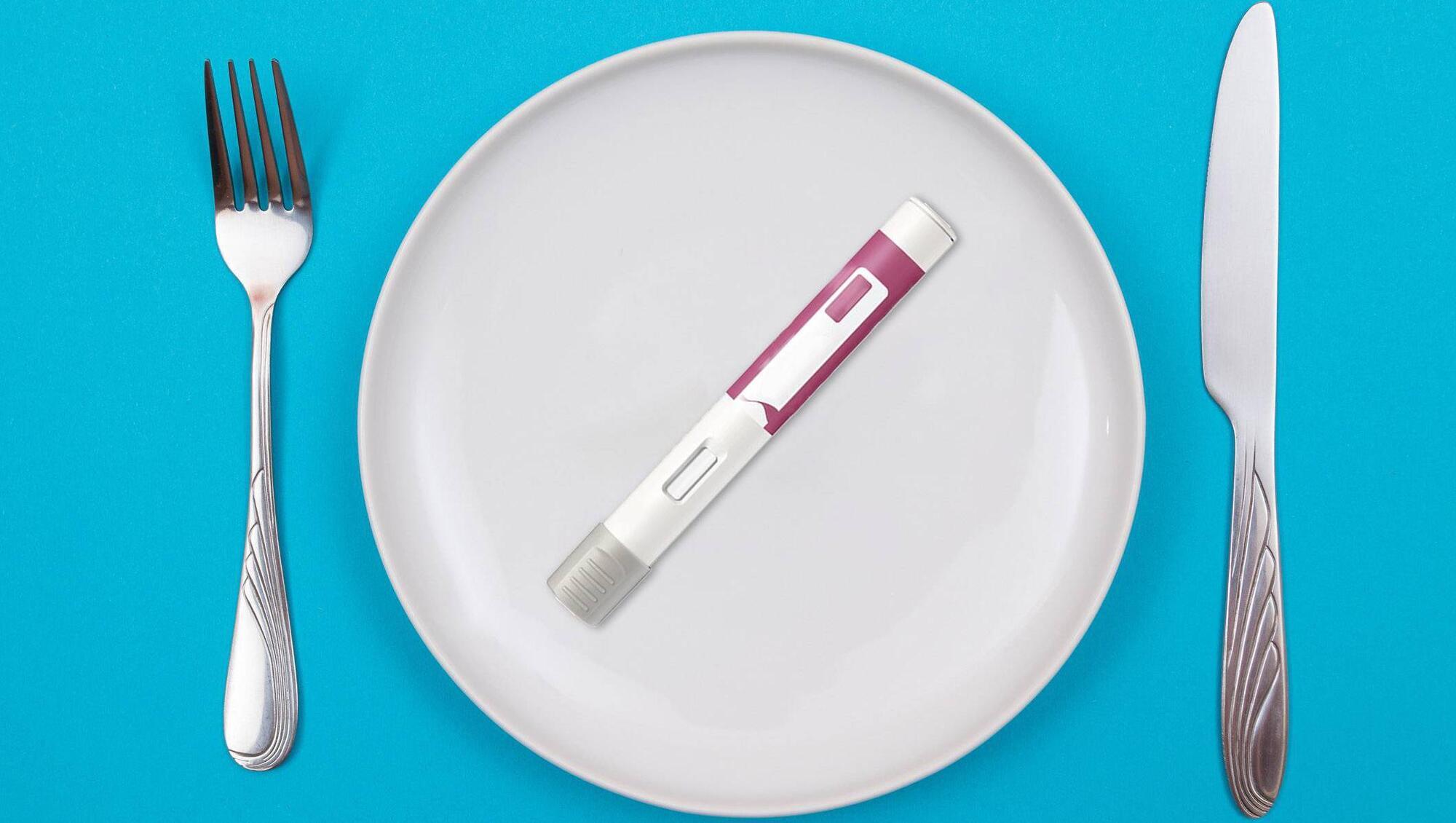
One in four Irish adults is classified as having obesity, and new drugs could help with health-related issues such as diabetes and heart disease. Pic: iStock
They are billed as the magic bullets of the weight loss world, pills and jabs that are a panacea for effortless weight loss.
There has been an alleged run on Ozempic, a drug for type 2 diabetes with weight loss side effects, among Hollywood celebrities looking for a quick fix for that red-carpet appearance.
And last November, some pharmacies in Ireland reportedly ran low on supplies prompting the HSE to write to every GP to advise them against prescribing the medication to patients without diabetes.
Among the medications promising weight loss is semaglutide, a once-a-week jab marketed as Wegovy that stops you feeling hungry and which was approved by the European Medicines Agency last year for use in all EU countries for patients with obesity who already have at least one weight-related health issue such as high blood pressure, type 2 diabetes or heart disease.
With one in four Irish adults — almost 900,000 people — now classified as having obesity, some say the Wegovy could have a positive impact on the fight against obesity and type 2 diabetes.
The drug is intended to be used alongside a diet and exercise programme for people with higher body weight or obesity to improve their health and has been shown to help people shed up to 15% of their body weight.
In a study published last year that assessed the effects of a once-weekly semaglutide weight loss jab, Carel le Roux, an obesity physician at University College Dublin and co-author of the paper, concluded that semagultide in the form of Wegovy “may be so effective that the role of nutritional therapy may have to be redefined”.
But these drugs are not to be taken lightly. “Obesity is an incredibly complex disorder and we now know that advice to eat less and move more is not an effective treatment for people with chronic obesity,” says Aoife Hearne, a dietitian who lectures at South East Technological University (SETU) Waterford.
“Drugs such as Wegovy are evidence-based medications, prescribed by doctors and intended to be used alongside healthy diet and exercise habits and screening for effective treatment of the disease.”
Wegovy can be expensive, potentially costing €250 per patient per month.
“Headlines that suggest it is a miracle weight loss drug with instant results are misleading and potentially dangerous,” says Hearne.
“It is absolutely 100% not an easy way out of obesity.”
And, like other drugs for obesity, it is not without side effects. Dr Duane Mellor, academic lead for nutrition and evidence-based medicine at Aston University Medical School in Britain, says anti-obesity medication is not for the faint-hearted.
“Most diet drugs have some pretty grim side effects, including constipation, headaches, nausea and oily diarrhoea with some,” Mellor says.
“They are not something to be taken by healthy people who just want to look a bit slimmer.”
Here’s a guide to what you need to know about the latest diet drugs:
Wegovy (Semaglutide)
How it’s taken: Injected weekly into the stomach, thigh or arm with an injection pen, similar to an EpiPen. Doses typically start with a 0.25mg weekly dose, gradually increasing over several months until a higher sustained dose of 2.4 mg per week is reached by some people.
How it works: For the treatment of overweight and obesity. It contains semaglutide, a compound that mimics a hormone called glucagon — like peptide — 1 (GLP-1) and helps the pancreas release the right amount of insulin when blood sugar levels are high. It also makes you feel full because it slows down stomach emptying and suppresses appetite – you eat less and aren’t plagued by hunger pangs.
A study of almost 2,000 people with obesity published in the New England Journal of Medicine shows that people taking semaglutide lost 14.9% of their starting body weight over 68 weeks compared with a 2.4% weight loss for a group receiving placebo injections.
Side effects: In clinical trials on Wegovy, people have complained of side effects, including constipation, nausea, vomiting, headaches and diarrhoea.
Studies show that people who lose weight on semaglutide regain it if they stop taking the drug.
Recommended use: Wegovy works best for obese patients with a BMI of at least 30 and one other weight-related health condition, such as high blood pressure, type 2 diabetes or sleep apnoea.
Ozempic (Semaglutide)
How it’s taken: As a weekly injection into the thigh, arm or stomach with an injection pen, typically starting with a 0.25mg weekly dose, gradually increasing over several months to 1.0mg for some people.
How it works: A different version of Wegovy, it provides the drug semaglutide in slightly lower doses but is designed only for use by people with type 2 diabetes and is not intended specifically to treat obesity.
However, its side effects mean it has reportedly become the worst-kept weight loss secret in Hollywood as celebrities clamour to get hold of the drug to lose a few dress sizes for a public appearance.
Side effects: Constipation, nausea, vomiting, headaches and diarrhoea.
Recommended use: Not for weight loss specifically — for treatment of type 2 diabetes and prescribed to help manage blood glucose levels in people with the condition. It is not intended as a weight loss drug.
Xenical (120mg Orlistat)
How it’s taken: One tablet with water before, during or up to an hour after each of three daily meals.
How it works: A branded version of the generic drug Orlistat, it has been shown in trials to prevent up to one-third of dietary fat from food being digested by the body.
It works by inhibiting gastric and pancreatic lipase enzymes that break down fat in the digestive system, and this means some undigested fat is eliminated from the body in stools.
It is usually prescribed for 12 weeks during which time you might expect to lose up to 5% of your body weight, in most cases about 3-7kg.
Side effects: Oily diarrhoea and flatulence, headaches, anxiety and menstrual disturbances.
People should stop taking it and seek medical attention if they notice yellowing skin and eyes, itching, dark-coloured urine and liver tenderness, all signs of liver complications.
As it can lower fat-soluble vitamins A, D, E and K
absorbed by the body, users should take a multivitamin containing these nutrients, preferably at bedtime
when the medication is not used.
Recommended use: People with a BMI of 28 or higher who also have other associated risk factors such as high blood pressure.
Alli (60mg Orlistat)
How it’s taken: One capsule with water, three times a day with each meal containing fat.
How it works: An over-the-counter (OTC) Orlistat product with lower amounts than the prescription drug, it absorbs approximately 25% of fat from food.
Side effects: Weakness and stomach pain, oily diarrhoea and stomach issues associated with Orlistat.
Recommended use: For people with a BMI of 28 or higher, it should not be taken for longer than six months at a time.
Saxenda (Liraglutide)
How it’s taken: Injected into the body daily, starting with 0.6 mg and increasing to a maximum of 3mg daily.
How it works: Liraglutide mimics the action of the hormone GLP-1 released by the body when we eat and acts as a physiological regulator of appetite.
A New England Journal of Medicine study showed that one in three people with obesity who used Saxenda in conjunction with a reduced calorie diet and exercise lost more than 10% of their body weight (an average of 10kg) in 56 weeks.
And in a JAMA analysis involving nearly 30,000 overweight or obese adults, that compared a range of diet drugs, Liraglutide was associated with the highest odds of achieving at least 5% weight loss in a year.
Side effects: Headaches, toothache, dizziness, nausea and vomiting for some people.
The JAMA study showed the drug has high rates of people stopping it because of unwanted side effects.
Recommended use: People with a BMI of 28 or higher who have other weight-related medical issues or those with a BMI over 30.
Mysimba (Naltrexon-Bupropion)
How it’s taken: Start with one tablet daily and increase to a maximum of four tablets daily after a month taken with food. Available with a prescription.
How it works: Combines Naltrexone, an opiate antagonist, and Bupropion, an antidepressant, which are thought to work by targeting the central nervous system pathways responsible for hunger and eating.
In the review of diet drugs published in JAMA, Naltrexone-Bupropion was shown to produce an average 5kg weight loss in a year compared with 5.3kg with Liraglutide and 2.6kg with Orlistat.
Side effects: Compared with a placebo, Mysimba had the highest odds, along with Liraglutide, for people quitting it because of the side effects.
Possible dizziness, nausea and drowsiness are among the side effects.
Recommended use: People with a BMI of 28 or higher who have other weight-related medical issues or those with a BMI over 30.
CONNECT WITH US TODAY
Be the first to know the latest news and updates