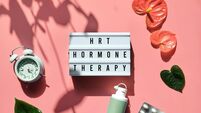
The food that can help support you through menopause

Four out of five people surveyed for the Department of Health agreed with the statement that menopause is not openly discussed.
It was known as ‘The Change’; we just didn’t talk about it. Like so many issues to do with women’s reproductive health, menopause was one of those things that were whispered about in corners and many issues to do with this normal ageing process were swept under the carpet. It’s not like it’s something rare or unusual: menopause affects 50% of the population.
Recent research by the Department of Health as part of its Menopause Awareness campaign launched in October 2022 noted that almost three-quarters of Irish women over 35 have either started perimenopause, are dealing with the symptoms of menopause, or have completed menopause. That could be your sister, your mother, your wife, your work colleague — or you. And knowing what is happening with our bodies and how we can make life better for us.
The simple definition of menopause is when periods stop permanently because of low hormone levels. The symptoms may include hot flushes, sleeping issues, brain fog, muscle loss, and weight gain. The age of onset can vary, and symptoms can be unpredictable but one thing is certain: it doesn’t have to be swept under the carpet. With knowledge comes power and we are now becoming aware that diet can play a part in helping people to navigate menopause and its symptoms in a more manageable way.
Eating well, exercising, and looking after your mental health are all recommendations on the Department of Health’s menopause website.
Foods to support hormones and energy
Registered dietitian Orla Walsh believes we should all be looking at our diets in a new way as we get older. For those going through menopause, she notes “hormones are at play and the diet needs to adapt in response. Where you can, you want nutrition to reduce symptoms that women are experiencing with oestrogen dropping. Oestrogen is a protective hormone, so you need to use nutrition to reduce the risk of disease due to its absence down the line.”
Dietary sources of oestrogen, or phytoestrogens, include plant-based foods like soy (foods like tofu, tempeh, and edamame) and flaxseed.
Walsh recommends that menopausal women get adequate protein in their diet by including rich protein sources such as meat, poultry, fish, dairy, soy, beans, or lentils in every meal. “Be wary of using nuts, seeds, hummus, and falafel as a [main] protein source,” she warns, as they aren’t sufficiently rich in protein. But do include plant-based sources like tofu, tempeh, and Quorn.
“If you include plant protein, it helps to feed your microbiome. Each food offers different advantages so eat as varied a diet as possible.”
Walsh believes that blood sugar levels and satiety (the state of being completely satisfied with food) are important factors to take into consideration. “Managing blood sugar levels helps to manage energy and mood and helps with other symptoms like sleep disturbance and hot flushes. How we can do this is similar to how to manage your satiety — get protein, fats and fibre in all your meals.”
Lest you think that indicates a healthy, but boring, diet, Walsh is clear that your food needs to be appetising: “It’s important to enjoy the taste because it’s relevant for satiety. If we eat a meal and it’s not delivering satiety, we will be reaching for something afterwards like chocolate or sweets for that feeling. Flavour is key.”

Irish seed mix aims to ease menopause
Walsh recommends that women focus on “increasing their milk and dairy intake to avoid bone disease and support heart health”.
Another food she encourages women to include in their diet is flaxseed, also known as linseed. “It contains phytoestrogens, supports regular gut function, blood sugar management and lowers cholesterol. We can access nutrients better when the seeds are ground or toasted. They don’t have a strong flavour, so you won’t notice them and they can be added to most meals or snacks, so you can include them in your diet at any time of the day, not just breakfast.”
Family-owned and run Northern Irish health food brand Linwoods produces a selection of cold-milled, nutrient-rich flaxseed blends. It has just released a product called Menoligna (€12.64 for a 210g pack), a mixture of sprouted milled flaxseed, milled chia seeds, and lignans the source of plant-based phytoestrogens that can help to moderate decreasing oestrogen.
According to Linwoods marketing manager Orla O’Hare, the company has been getting “very positive feedback to date — consumers are looking for natural, gluten-free and vegan solutions to aid their menopause symptoms”.
While Menoligna is specifically aimed at those trying to manage hormonal activity, Linwoods has a range of other flaxseed-based products in a section in their online shop marked ‘menopausal symptoms’.
Four out of five people surveyed for the Department of Health agreed with the statement that menopause is not openly discussed. Now the conversation has started and with menopause moving from taboo to hot topic, we’re likely to be much better informed.
It’s not all gloom and doom either. For Walsh, there are many positives. “Not getting your period, your iron requirements reduce, period cost implications are gone — and many women get migraine relief after menopause.”
Eating healthily is important at any stage of life, but being informed of the benefits of consuming a variety of good foods during menopause can be empowering at a time when change is unpredictable.
Find Orla Walsh’s dietetic and nutrition practice online at orlawalshnutrition.ie and on Instagram at @orlawalshnutrition.
- The Department of Health’s gov.ie/menopause is a comprehensive online resource
- Linwoods runs an online shop at linwoodshealthfoods.com


Cancel anytime
CONNECT WITH US TODAY
Be the first to know the latest news and updates