Natural health: How can I reduce my sugar cravings?
Pic: PA/Thinkstock
I’m hooked on chocolate and want to cut back on my sugar consumption in the new year. A friend mentioned liquorice as a natural alternative. It is effective?Â
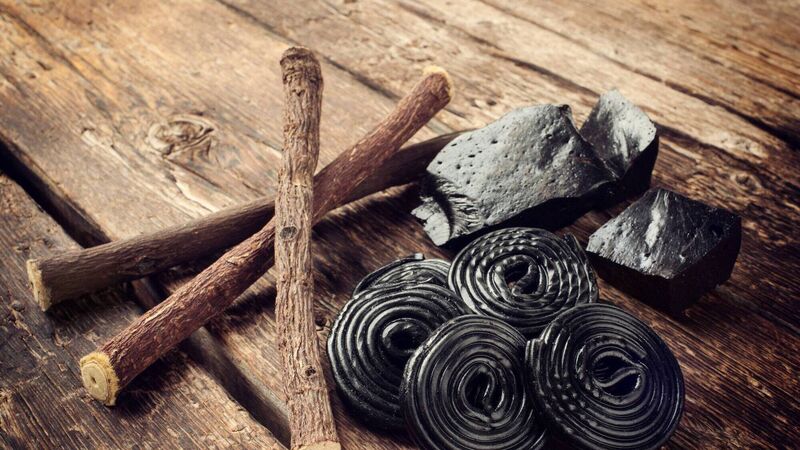
Liquorice root (Glycyrrhiza glabra) is a great idea, although it is crucial to distinguish herbal liquorice from the commonly available liquorice-based sweets. It is an adaptogenic herb, which means it supports the body in managing stress and maintaining balance.
This sweet root (pictured) has been particularly useful in helping with fatigue and adrenal support, so as well as having a naturally sweet taste, it is an excellent remedy for physical and emotional stress and helps the body to regulate the cortisol, known as the ‘stress hormone’.
Liquorice can also help treat menstrual and menopausal symptoms, including hot flushes. It is also helpful in treating heartburn and indigestion and protecting against ulcerative gut disorders and leaky gut. Liquorice is a demulcent (soothing) herb with additional anti-inflammatory properties.Â
Multi-functional liquorice also has immune protective properties — it is a strong anti-viral and an effective expectorant, assisting the body to loosen and expel excess mucous.
The best way to consume liquorice root is by making a tea or infusion. Add a teaspoon of the dried root to a cup of boiling water and steep — the longer you brew the root, the sweeter the infusion will be.
You can reuse the root up to four times before composting it. Other herbs and spices may help to suppress sugar cravings, such as Gymnema sylvestre (known as ‘sugar destroyer’ in Ayurveda), fenugreek seeds, clove buds, and cinnamon bark. Cinnamon, in particular, has been shown in
clinical trials to reduce fasting glucose levels and total cholesterol. Cloves have been shown to reduce the insulin-sensitising effects in abdominal fat cells and liver cells.
Note: Liquorice should not be consumed when you are pregnant, have serious heart, liver, or kidney issues, or have a condition sensitive to female hormone production (such as breast, uterine, ovarian cancer, fibroids, or endometriosis).
My athlete’s foot seems to get worse during the winter — it’s probably because I wear socks and shoes all day. I wash and dry my feet every night but it doesn’t make much difference. What would you suggest?
Fungal infections such as athlete’s foot tend to take hold when your immune system is functioning below par.
The white blood cells responsible for fighting off fungal infections are called T-lymphocytes (T-cells),
produced in the thymus gland. With a recurring seasonal fungal infection, it is a good idea to treat the affected area and support your immune and digestive systems.
The best way to support these systems is by keeping your beneficial bacteria in check. A great place to start is with a high-quality probiotic and garlic supplement. The garlic’s active ingredient, allicin, supports immunity while fighting fungal infection.
Allimax products are a simple and effective way to benefit from allicin, and the company makes a wide range of options, from liquids and capsules to topical creams and gels. The Allimax range is available from Nourish or Boots.
Reducing your intake of sugary, fried, and processed foods is vital in rebalancing digestion and immunity. Eating plenty of whole foods,
especially fresh produce, and drinking enough water daily is also crucial.
Applying neat essential oil is another effective natural option. The two most popular essential oils in treating athlete’s foot come from Australia — tea tree (Melaleuca alternifolia), and lemon myrtle (Backhousia citriodora).
CONNECT WITH US TODAY
Be the first to know the latest news and updates