Talk To Me: I miss the peace of my home office
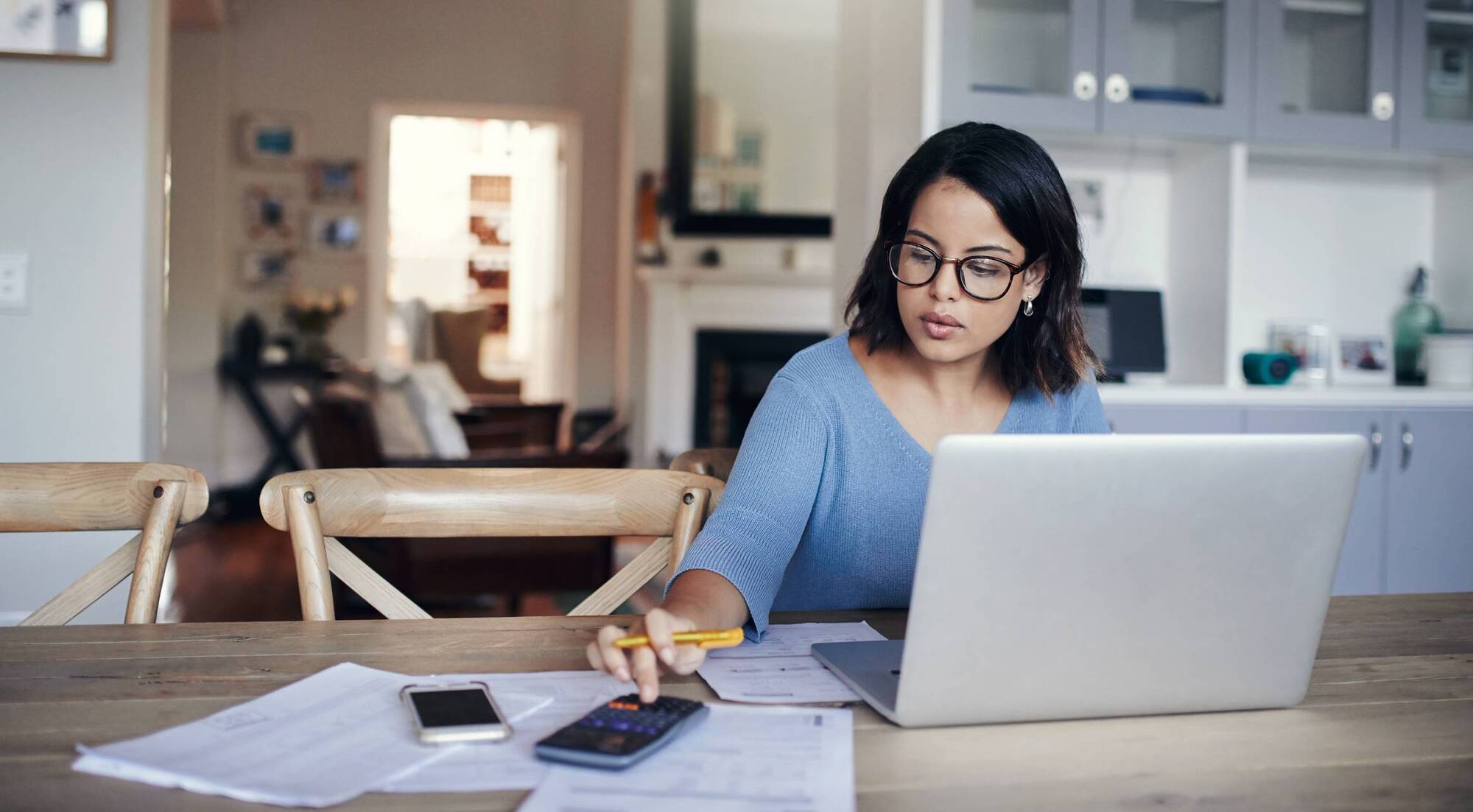
Picture: iStock
The world is your oyster when we first graduate. However, many of us found our pearls much closer to home when the pandemic hit. Our homes became our new workspace, where we had greater autonomy over choice of temperature, lighting, furnishings and with whom we shared the space. While most of us don’t usually get to design our workspace, we now have a keener sense of what we like and what helps us work and stay focused.
Many people reported greater job satisfaction during the pandemic, with some feeling they had an opportunity to shine. You can focus on delivering your best when your energy doesn’t have to go into masking your true emotions or worries. Having had a taste of that, getting recognition for those talents and being valued for your contributions, it can feel like a tall order to maintain that high output while engaging with office pleasantries.
The return to the traditional workplace allows us to refocus on how we can ensure all members of staff, current and future, can be offered space to excel. The agility of businesses to move online also allows us to consider the purpose of returning to the office. We used to travel to the office, but now we know that’s not always necessary. If our work is separate and independent from work created by colleagues, then perhaps it is not essential to be in the office. If this is the case, it might be beneficial to have a clarifying conversation with your manager so that you understand why having staff members in the office on particular days is necessary.
Most of us are doing work that, to some extent, depends on others. The degree to which our work is interdependent will inform the importance of those relationships.
If the work can be completed by individuals but in a particular sequence, it is transactional. Transactional relationships can be quite boundaried and may not exert such a toll on your emotional or sensory system. Managers could facilitate such work with scheduled times to negotiate deadlines and agree parameters of each step. If this describes your work, perhaps you can be accommodated and come into the office on an 'as needs' basis. A conversation with your manager will hopefully clarify whether this meets organisational goals. However, if your work is more collaborative, this requires a deeper relationship.

A way to conceptualise these different ways of doing your work is to consider the difference between a solo singer, a singer and her support act, and an orchestra.
If your work is more relational, it requires a higher level of trust, cohesive knowledge and opportunities to reflect together. Such work will need you to spend more time with your colleagues. Leaders used to think it was sufficient to assign a project to a number of people, and they would magically collaborate. We now know that the genuine collaboration required to produce quality outcomes requires a strong working alliance between team members.
If this is true for you in your role, I suggest you frame the days in the office as core to building those collaborative relationships rather than focusing on tasks that may be more easily completed on your work-from-home days. Organise your week to make the best use of the different spaces for different purposes. This change in emphasis for your days in the office may take a bit of getting used to, and some old behaviour patterns may linger.
Businesses can also have old patterns that hang about well after their use-by date. Some have reopened without considering what new learning might be worth retaining. Some unfortunately have not grabbed the chance to abandon redundant practices that predate the pandemic and have mindlessly drifted back to employing them. You are undoubtedly not the only person wondering about the purpose or utility of reconvening in the office.
Critical conversations need to take place to ensure equity. Recent research suggests that those who work in the office more are more likely to be rewarded due to proximity to the boss, which could disadvantage women and those with atypical abilities.
While you are in the office and need to focus on tasks, you can employ several strategies to reduce the sensory load. If you have a bright overhead light, you can ask if a bulb can be taken out or replaced with a softer tone. You could use noise-cancelling headphones to eliminate distracting noises. If you choose to use music, it is best to download a playlist of very familiar songs so they don’t become a distraction. You may also consider bringing in some comforts from home, for example, a pillow or blanket. Bring these home on a regular basis and wash them so that they retain the familiar scent of your home. Consider using a slideshow of calming images as your screensaver. If you can, suggest walking meetings to reduce the amount of direct face-to-face interaction.
The pearl, don’t forget, started as an irritant in the system.
Take care.
- If you have a question for Caroline, please send it to feelgood@examiner.ie

CONNECT WITH US TODAY



Be the first to know the latest news and updates