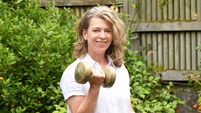
No need to sweat the menopause 

Menopausal women no longer suffer in silence and are embracing a range of therapies and lifestyle changes to manage their symptoms. We talk to leading experts
No need to sweat the menopause 

The menopause is manageable - ask our experts.

OUR mothers and grandmothers used to whisper about ‘the change’. They would share stories of hot flushes and night sweats. Yet many were too shy to discuss more embarrassing symptoms such as vaginal dryness, painful sex, and urinary tract infections.

That taboo is lifting. Women want to be more informed about menopausal symptoms and be told how best to manage them.

Sallyanne Brady has played a huge part in breaking this taboo. In 2019, her email to RTÉ’s Liveline about her experience of menopause triggered an avalanche of responses from women worldwide. It also led her to set up the Irish Menopause Facebook group, which now has more than 43,000 members. Brady is a firm believer in hormone replacement therapy (HRT).

“Nothing gives you your life back like HRT does,” she says. “Since the 1940s, there have been studies showing its effectiveness in treating the symptoms of menopause. Speaking for myself, taking it made me feel brand new.”

HRT products come as pills, gels, patches, and vaginal creams, all of which are available by prescription, though recently there has been a shortage due to supply issues and increased demand.

Dr Genevieve Ferraras is a GP at the Menopause Hub, Ireland’s first dedicated private menopause clinic. She recommends HRT, which costs €30 to €50 per month, to treat menopausal symptoms and as a preventative treatment for conditions such as osteoporosis, osteopenia, dementia, and heart disease.

“HRT benefits the health of menopausal women in all sorts of ways,” she says.

For women who cannot be prescribed HRT for medical reasons, “there are other options”, says Dr Deirdre Lundy, a women’s health specialist who leads the first dedicated public menopause clinic at the National Maternity Hospital in Dublin.

“There are blood pressure and bladder drugs that have been shown to manage symptoms such as hot flushes and sweats. Your GP or menopause specialist will advise you on what’s best.”

Deirdre Lundy
Deirdre Lundy

Non-medical alternative

Cognitive behavioural therapy (CBT) is a non-medical alternative. Myra Hunter is an emeritus professor of clinical health psychology at King’s College London and an expert on how CBT can be used to help women during the menopause. She has also written books on the topic, including Managing hot flushes and night sweats: a CBT guide to the menopause.

“Thoughts and feelings about situations can make those situations worse,” says Hunter. “My aim is to show women how to use CBT to break this cycle and provide them with coping strategies.”

She uses the example of hot flushes. “If you have a hot flush and start thinking, ‘I look really sweaty and everyone has noticed’, this can increase arousal and cause further flushing, whereas thinking more supportive and calmer thoughts can reduce the impact of the symptoms.”

Hunter’s strategies start with breathing exercises. “Use calm abdominal breathing at the first sign of a hot flush,” she says.

“Take a slow breath in, ensuring your stomach moves out, and then slowly breathe out. Imagine inhaling cool air and exhaling warm air. This helps switch your focus away from the flush and activates your body’s calming response.”

Catherine O’Keeffe, creator of the Menopause Success Summit, is a menopause coach and workplace educator. When she struggled with menopausal symptoms, she found Hunter’s books helpful. “They give practical tips on how to manage symptoms,” she says.

Regular exercise made a difference too. “I go running and find it helps with everyone from bone health to emotional and psychological health and sleep,” she says.

Caoimhe Hartley
Caoimhe Hartley

Lifestyle habits

Dr Caoimhe Hartley owns the private Menopause Health clinic in Dublin. She recommends that women look at their lifestyle habits, particularly what they eat and drink.

“What’s their caffeine intake,” she asks. “How much alcohol do they drink? What’s their diet like? Do they exercise enough? I chat about all these things with my clients and make sure they have adequate vitamin D and calcium to optimise their bone health.”

Dietitian and founder of the Dublin Nutrition Centre Aveen Bannon agrees. “Women entering this phase of their lives need to be more mindful of bone health, heart health, and muscle maintenance along with mental health and general wellbeing,” she says.

“Nutrients of note at this time include calcium, vitamin D, magnesium, lean protein, more fibre, and more colour in the diet.”

Bone density diminishes as oestrogen declines. “Women lose up to 20% of their bone density in the seven years after menopause,” says Bannon. “So it’s best they enter menopause with sufficient bone density to minimise subsequent losses.

“Calcium, vitamin D, adequate protein, and weight-bearing exercise are important along with not smoking.”

Menopausal women need 1,200mg of calcium per day. “They’ll get this from eating foods such as dairy products, brazil nuts, fortified plant milks, green vegetables, tofu, and tinned fish,” says Bannon.

Because we get most of our vitamin D from direct exposure to sunlight, people in Ireland should take a supplement during the winter. “The advice is for us all to take 10mg per day between October and March,” says Bannon.

Lean proteins help women to maintain muscle mass. “This means incorporating chicken, eggs, fish, milk, beans, and lentils into the diet,” says Bannon.

Because oestrogen has cardio-protective effects, its diminishing production during menopause increases women’s risk of high blood pressure and cholesterol. Bannon advises minimising this risk by focusing on high-quality fats, increasing fibre, and eating at least five portions of fruit and vegetables daily.

“Aim to replace saturated fats with unsaturated ones,” she says. “Saturated fat tends to come from animal sources such as the fat on meat, butter, hard cheeses, and cream. Replace these with olive oils, fish oils, and the natural oils present in nuts and seeds. Research also indicates that eating oily fish at least twice a week can reduce the risk of heart disease.”

Bannon also recommends eating foods high in phytoestrogens, plant oestrogens that can have mild oestrogen-like effects.

“Some find these foods help with menopausal symptoms, including soya products, edamame beans, linseed and flaxseed,” she says.

Catherine O'Keeffe, Wellness Warrior

Vaginal atrophy

One of the issues that leads to the most embarrassment is vaginal atrophy.

“It’s a common problem caused by the thinning, drying and inflammation of the vaginal walls, and it can lead to a sense of dryness and lack of lubrication, causing pain during intercourse as well as bladder symptoms such as an urgency to urinate, increased frequency of urination, more urinary tract infections, and incontinence,” says Dr Ferraras.

Many women misdiagnose it as thrush. “It can feel similar which can lead women to treat it with over-the-counter medication,” says Dr Ferraras, who adds this can lead to a delay in treatment, making it more difficult to remedy.

“Remember a thick white discharge accompanies thrush while vaginal atrophy has a thin watery discharge or no discharge at all,” says Ferraras.

“If you think you might be suffering with the latter, the sooner you see your doctor, the better. The most common treatment method is vaginal oestrogen pessaries combined with moisturisers and lubricants. In more difficult-to-treat cases, HRT can be effective.”

It’s vital menopausal women seek help from others and not suffer in silence.

“Menopause can be a challenging time and it can be lonely,” says Hartley. “Sharing information and experiences can combat this loneliness and help women feel supported as they go through what is a normal stage of life.”

More in this section

Lifestyle

Newsletter

The best food, health, entertainment and lifestyle content from the Irish Examiner, direct to your inbox.

Cookie Policy Privacy Policy Brand Safety FAQ Help Contact Us Terms and Conditions

© Examiner Echo Group Limited