Vickie Maye: My 'ground zero' cancer diagnosis 20 years ago
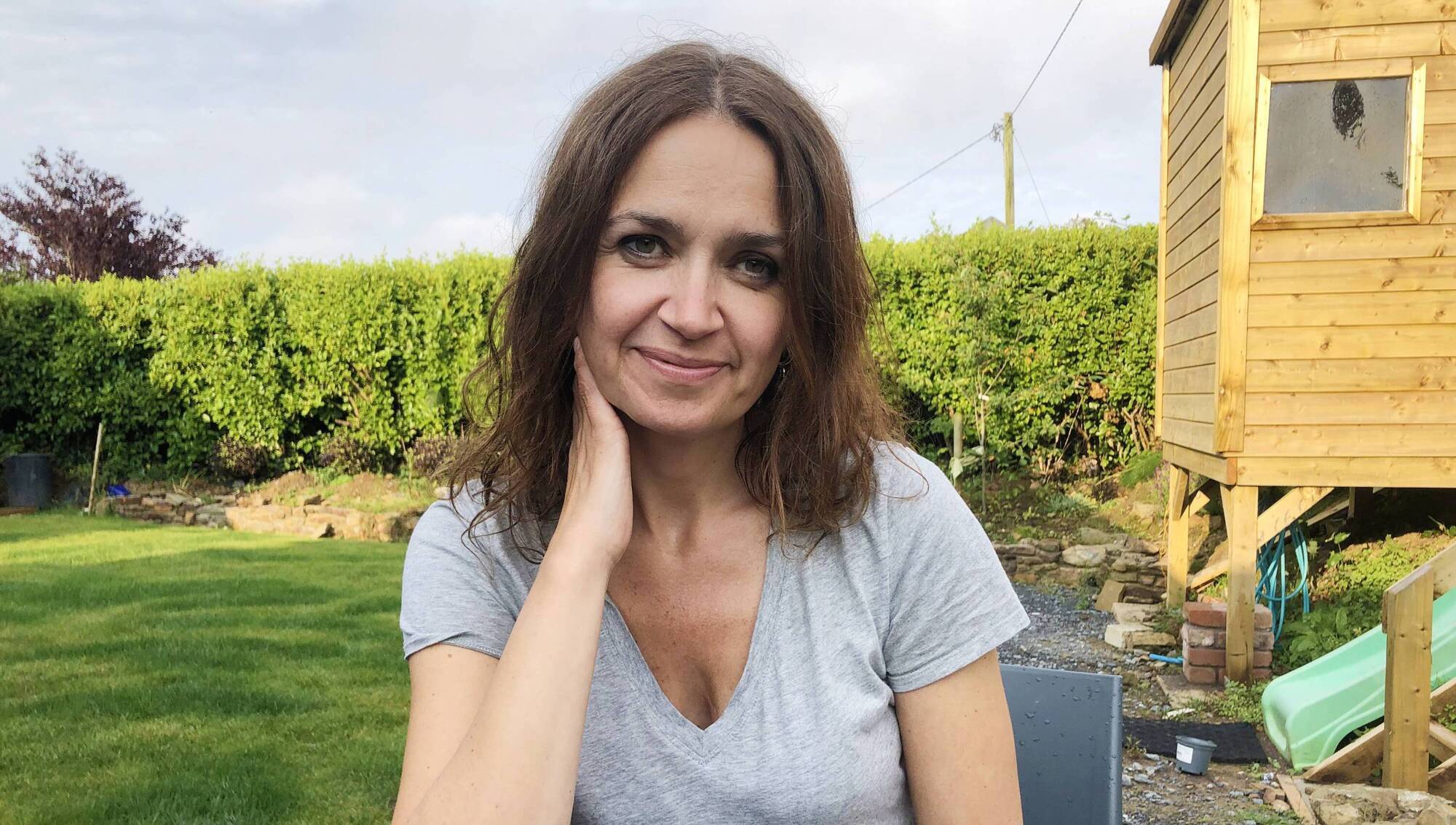
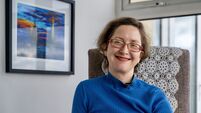
Life after cancer can be wonderful, says Vickie Maye. Picture: Natalie Ryan
There’s never any escaping the anniversary of 9/11. An event that shook the world to its core, no matter how many years have passed, it will always be remembered.
The constant reminders have a deeper resonance for me. September 11 2001 was the day that I was shown an X-ray of my chest, a doctor circling in pen a large hazy cloud in the centre of the film. In a few days, I would be told it was a malignant tumour.
America was under attack. And so was I. I had cancer.
I wrote about my cancer experience many times in those early years, so much so that old college friends would email me, as only the Irish can, to ask if I was still ‘flogging that old story’.
But in recent weeks, as talk of the Twin Towers 20th anniversary grew louder and louder, on radio shows, in newspaper articles, I pulled out my old diaries from those months of chemotherapy and radiation.
I would write in the dead of night gripped by insomnia and fear. Terror.
First and foremost, I was sick. Horrendously so from the cocktail of four chemotherapy drugs pumped into my veins every two weeks for six long months. I was nauseous, constipated, miserable. I was going bald, slowly. I had no eyebrows, no eyelashes. I didn’t recognise the person looking back at me in the mirror, she looked so gaunt, skeletal. Like a cancer patient.
The treatment meant my periods had stopped. Hot flushes were constant.
Those diaries were outpourings of grief for the family I feared I’d never have.
My confidence and my self-esteem were in tatters. I felt useless in a job I loved. I was a young reporter in Australia at the and as my chemo continued, the poison building month after month, my body just couldn’t keep up.
I scream at the diary now, to myself 20 years older and wiser - why didn’t you just stop? For a little while? Let your body rest?
In hindsight, I didn’t want to admit to people - to myself - that the cancer had ‘got’ me. I wanted to keep my identity, I wanted to be more than just a cancer patient.
If I was still walking into the office every day, then, I told myself, I was still me. It was, my 45-year-old self realises now, denial. I was railing against the diagnosis.
There were the diary entries written before a scan. Would the tumour be reduced, be gone, be back, be bigger?
And at the end of all this, would the cancer just come back and get me in the end anyway?
And then I find the diary entry that makes me write this cancer story one more time.
All along, deep down, I thought there was no escaping cancer. The people I remembered who had it - well, they were dead.
And then came the evening where I walked into a cancer support group meeting. In that diary entry, I gush about people in that room. They were, I write, living lives 10, 20, 30 years after cancer. They chatted about normal life and many of them had kids.
It was the game changer. I realised normal life was a possibility. My hair would come back, and with it my energy. I would learn to trust my body again.
Twenty years after I held that X-ray in my hand, my chest full of cancer, I write my story again. I write it for the people who are diagnosed this week, this month, this year.
It is estimated that more than 25,000 people will be told they have cancer (excluding less serious skin cancers) in 2021.
I am not here to give false hope either. My cancer was one of the ‘good’ ones - Hodgkins (which affects the lymphatic system) has an 85% success rate.
But the latest stats show I am far from alone.
Nearly two out of every three patients who get cancer are still alive five years later - and survival rates continue to improve. The five-year survival rate for cancer patients was 63% for men and 61% for women in 2012-16, up from 39% and 46% in 1994-99, according to the annual report of the National Cancer Registry Ireland (NCRI).
So many of us go on to survive this traumatic disease.
I write this so you, the newly diagnosed, can read about someone who is 20 years post treatment to show there is life after - and to share with you, if you are about to embark on treatment, what I've learned along the way.
It wasn’t all negative. I had good days and bad days during the eight months of chemo and radiation. Be kind to yourself, savour the days you feel well, upbeat. Know it’s OK to have dark times too.
Mark your calendar at home, colour the estimated end date with highlighter pens, as many as you can get your hands on. Make a rainbow. Work towards that date though always be aware it might change. And know that even when it all ends, you will still be shattered, still a little bit broken. But you will heal, day by day.
Talk to the doctors, to the nurses. When the nausea became too overwhelming, I didn’t want to bother them, to be a burden. It was on my last chemo treatment that I was given an anti-nausea drug that helped. If I’d asked for help sooner, my treatment would have been so much easier. Seek out that help.
The nurses, the doctors, want to make this easier for you. On my return to Cork, I was under the care of CUH medical oncologist Prof Seamus O’Reilly. I have never met a consultant with such empathy and compassion. The people you will meet on your cancer road will blow you away with their kindness.
You will learn to trust your body again. My diagnosis had come from nowhere. An X-ray as part of a residency application to live in Australia exposed my tumour. There was no history of cancer in my family, without a tangible symptom bar tiredness and half a stone of weight loss. For a while, a long while, every itch, pain, bump screamed cancer. And then, gradually, it fades. And you lie in bed one night and realise you didn’t think of cancer once all that day.
You’ll learn things about yourself you never thought possible.
Yes, there were negatives, lots of them, but I have a lot to thank my cancer for too. I had my treatment in Sydney but came home to Ireland after my radiation finished. I don’t know if I would have had the courage to leave the life I had built there without my diagnosis.
And deep down I desperately wanted to settle in the country I had grown up in, to be close to my family and friends. My cancer made me confront this serious life choice - and make the right decision.
Slowly, as things return to normal, it’s to be expected that the small, itchy irritations of life creep up again. Like anyone else, I can snap, get overwhelmed. But I can catch myself.
To this day, I can sit myself down again in that leather blue recliner in St Vincent’s Hospital in Sydney, I can smell the plastic as the chemo nurses pull out the vials from sterile bags, dressed in gowns and masks to protect themselves from the medicine they were about to inject into my crumbling veins.
I see it, I smell it, I flinch as I feel them flush the vein, I taste the chemicals as the cold fluid rushes through my arms, my body. And suddenly that pressing deadline, that argument with a loved one, that financial concern, isn’t so life and death anymore.
So, what about life after cancer?
It will take a while to get back to some kind of normal. Those months of treatment, that cancer bubble, reminded me of the early months of lockdown, when it seemed as if the world was frozen in time. But slowly, just as we are emerging into this vaccinated existence, I began to get braver.
That lost confidence was the hardest of all to build back up. At 25 you are supposed to be facing the world, building a career, getting a mortgage, starting a family. My self-esteem was so low I genuinely thought nobody would want me - I was, in my mind, damaged goods. The truth was, everything was a little bit harder for a while after getting cancer at that life stage.
But slowly, with a loving family and solid friends at my side, I got the job of my dreams, speaking openly about my cancer in the interview for this very newspaper. Grit and determination saw me eventually get that mortgage. And the husband I would later meet laughed at my talk of damaged goods.
Yes, it was hard at times, but if I had the choice to wipe my cancer experience away, I would say no. That perspective, the empathy, these life lessons are too valuable to ever give up. I feel lucky to have learned them at 25.
I’ll watch the 9/11 memorials tomorrow and think back to those dark nights of frantic diary entries in Sydney.
Two decades on, I write this in daylight, my four daughters pottering around our home as I type.
For so many of us, there is life after cancer. And hang on in there - I promise, it can be wonderful.


CONNECT WITH US TODAY



Be the first to know the latest news and updates