Body and the brain: How brain signals may affect body image
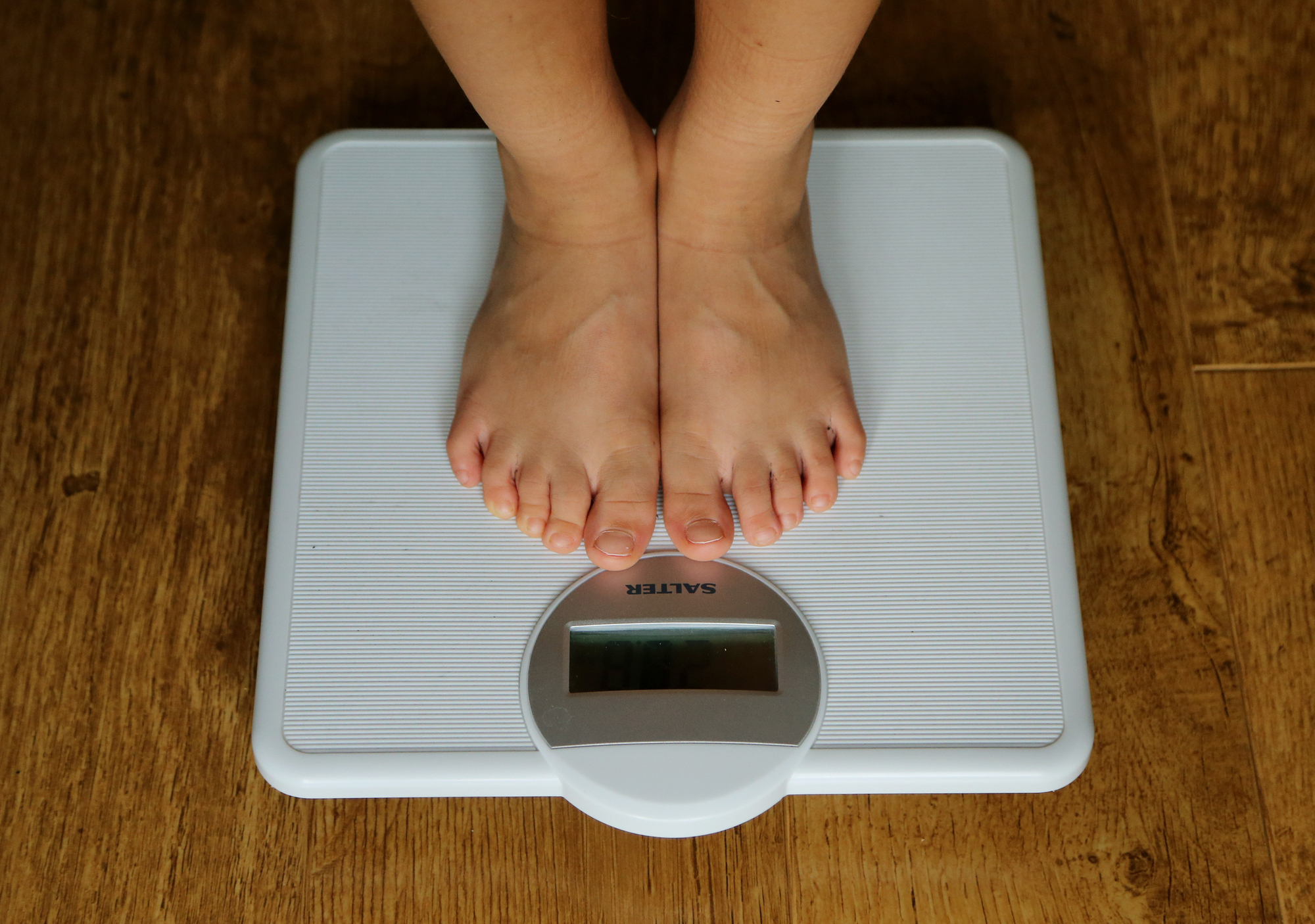
Researchers found weaker brain responses were associated with greater levels of body shame and weight preoccupation. Picture: PA.
People whose brains are less responsive to signals from their internal organs are more likely to hold negative views about their appearance, a study suggests.
Researchers from Anglia Ruskin University in England got a group of healthy adults to complete a series of assessments designed to record their feelings about their body image.
They then carried out measurements of the participants’ internal signals, including brain responses to heartbeats and the strength of the connection between the gut and the brain.
The latter was measured by recording the electrical activity of both regions at the same time.
Their research indicated that weaker brain responses to the gut and heart were both significantly associated with greater levels of body shame and weight preoccupation amongst the participants.
Senior author Dr Jane Aspell, associate professor of cognitive neuroscience at the university, said: “We experience our body both from the inside and out: we can be aware of how our skin and limbs look, but also of how hungry we feel or how strongly our heart is beating during exercise.
“The brain also continuously processes internal signals that we are not conscious of.

“We found that when the brain is less responsive to these implicit signals from inside the body, individuals are more likely to hold negative views about their external bodily appearance.
“It may be that when the brain has a weaker connection to the internal body, the brain puts more emphasis on the external body and so appearance becomes much more important for self-evaluation.”
Lead author Dr Jennifer Todd, a postdoctoral research fellow at ARU, said: “Our research could have implications for those experiencing negative body image, which can have a serious impact on people’s lives.
“The gut and heart signal measurements used in our study could potentially act as a biomarker to help identify, or even predict, negative body image and associated conditions, such as eating disorders.
“Additionally, by training people to become more aware of internal sensations, it might be possible to amplify these unconscious signals.
“We need to understand why some brains are better at detecting these internal signals than others.
“We expect it is partly due to differences in neuro-anatomical connections between the brain and internal organs, and this will be the subject of future research.”
The research is published in the journal Cortex.
Read More
CONNECT WITH US TODAY



Be the first to know the latest news and updates