Breastfeeding is a public health investment in the future — campaign calls for Government support
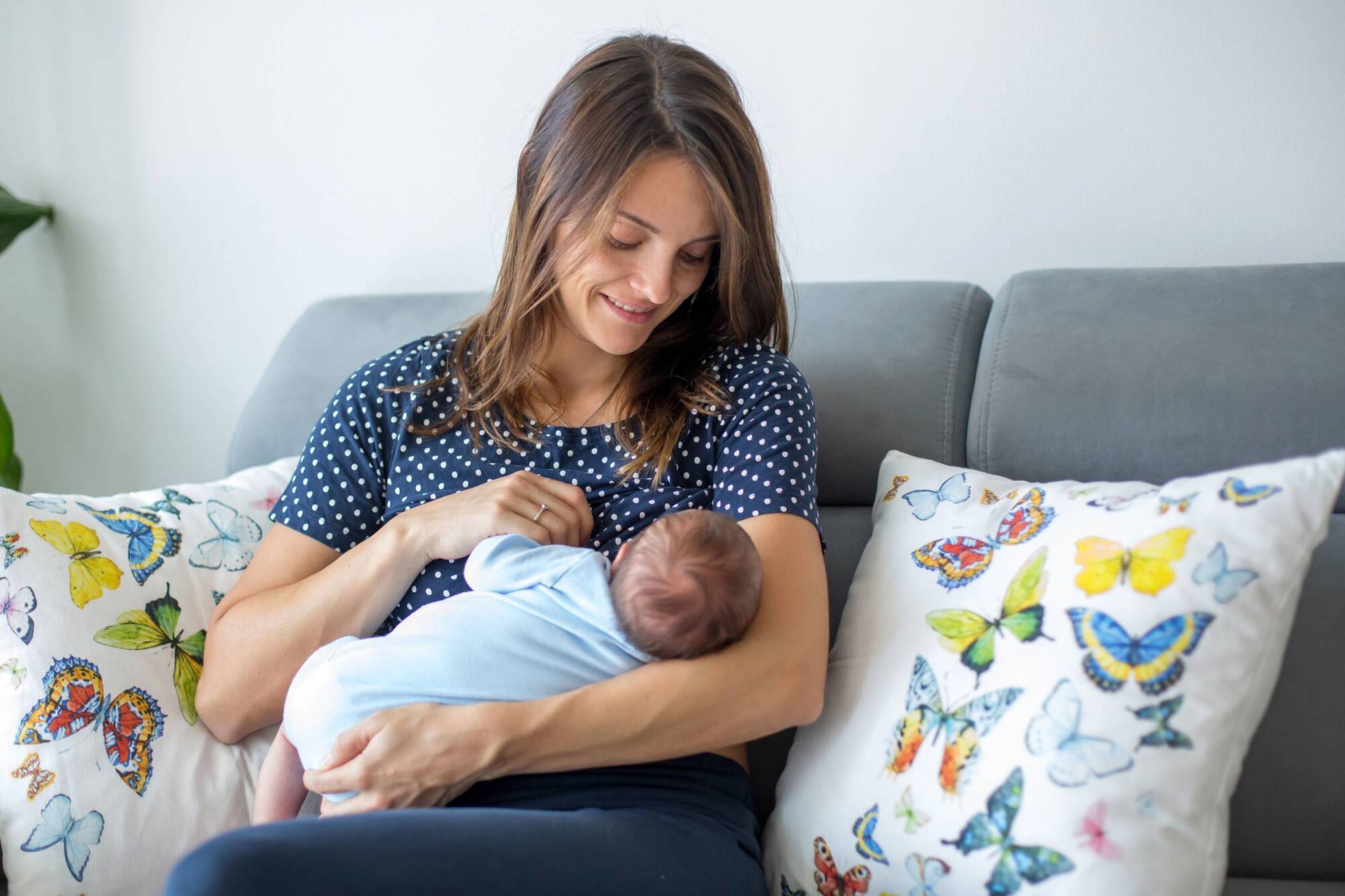
World Breastfeeding Week August 1-7: National Women’s Council of Ireland, Baby Feeding Law Group Ireland, and Bainne Beatha mark World Breastfeeding Week
Breastfeeding rates don't just rely on individual women and families and they aren't the sole responsibility of health services either. 'Shared responsiblity' is the theme of World Breastfeeding Week 2021 and the National Women’s Council (NWCI) and Baby Feeding Law Group Ireland (BFLGI) are calling on the Government to prioritise a series of actions to safeguard and promote the health of babies and their mothers.
Actions include a revision of existing legislation on the marketing of infant formula and to extend paid workplace breastfeeding breaks from six months to two years. This campaign is supported by grassroots campaign group Bainne Beatha.
Current legislation allows mothers time to breastfeed or pump at work until their baby is six months — however many women avail of maternity leave until their baby is 6 months old and can’t avail of these breaks on their return to the workplace.
Additionally, mothers can be targeted by industry marketing promoting formula feeding.
“Protecting women, babies and families from industry influence by enforcing stricter marketing legislation of infant formula is an indisputable and effective way of boosting public health and the future health of the nation,” according to Sarah Brennan, a GP and member of BFLGI.
Additionally, the physical recovery after childbirth can lead to unexpected breastfeeding challenges for new mothers. Recent studies by maternal brand, Lansinoh, found that 8 out of 10 mothers were not fully prepared for their own recovery post childbirth, while 1 in 4 women said that postpartum pain impacted their ability to breastfeed.
Author of the study, Dr Katie Bourdillon, said: "There is a tendency for women to dismiss their own pain and physical postpartum issues to focus on her baby's well-being.”
- The World Health Organisation states that breastfeeding is one of the most effective ways to ensure child health and survival.
- It boosts the immune system of the infant, lowers infant mortality, lowers the risk of developing infections such as respiratory tract infections, diabetes and childhood leukaemia.
- It also helps to enhance the cognitive function of the baby.
According to latest studies by WHO, it is safe to carry on breastfeeding even if a mother develops COVID-19, but precautions should be taken including practicing hygiene during feeding, wearing a mask, washing hands before and after touching the baby — and routinely cleaning and disinfecting surfaces they have touched.
WHO does not recommend discontinuing breastfeeding because of vaccination.
Breastfeeding mothers who have received a COVID-19 vaccine have antibodies in their milk, which could even help protect their babies from infection with the virus.
Fewer than 6% of babies in Ireland are exclusively breastfed at 6 months — the European average is 25%. The World Health Organisation (WHO) set a target to increase the global rate of exclusive breastfeeding to at least 50% by 2025.
According to Alana Ryan, health coordinator of the National Women’s Council, adjusting to motherhood can be a “stressful time” and the lack of support for new breastfeeding mothers can have a significant impact on maternal health and child development.
“We are calling on the Government to ensure that all women are supported to understand the benefits of breastfeeding and given the continuous care needed to enable this to happen.”
By calling for Government to fully fund and implement the National Maternity Strategy and National Action Plan in Budget 2022, it is hoped that a collective and societal effort will encourage breastfeeding, she noted.
“No woman should be expected to navigate what can be a challenging process on her own.”
CONNECT WITH US TODAY



Be the first to know the latest news and updates