'I was always the quirky one': What it's like getting an autism diagnosis as an adult
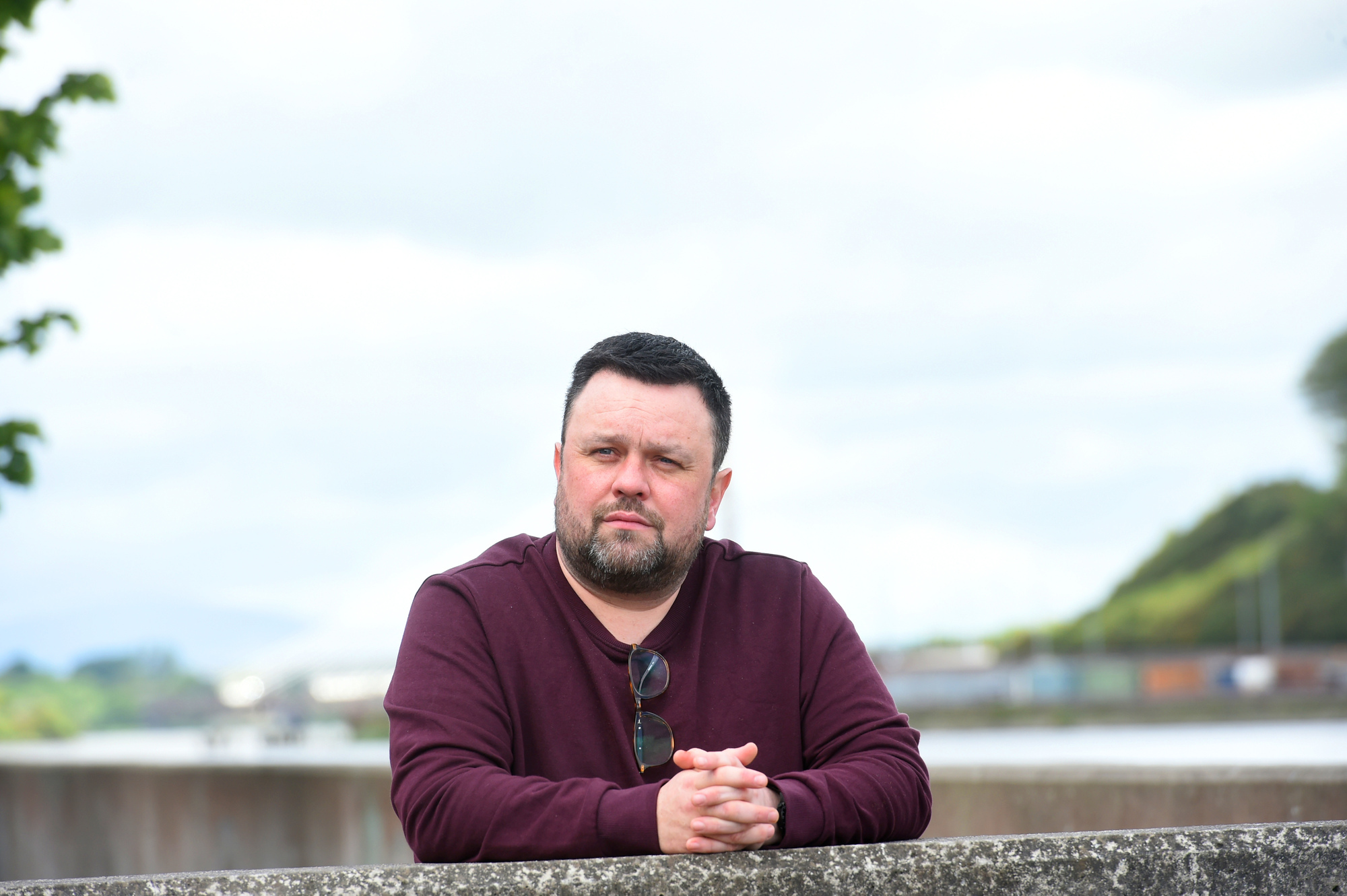
Des McCarthy, Waterford who was diagnosed with autism two years ago aged 44 and uses the Cara Autism Outreach service in Waterford. Picture: Larry Cummins
Coming across a list of 10 ‘notable traits of autism’ and realising he ticked nine boxes prompted Waterford man Des McCarthy to pay for a private assessment.
Des, 45, says his 2019 diagnosis hit him hard. “I was in shock, but it was coupled with always knowing there was something a little different about me. I’m the oldest of four siblings. The others would’ve clicked together. I was on the periphery. I preferred it that way and still do.”
Des recalls growing up studying people’s faces – reading and trying to mirror emotions. “I don’t immediately pick up if someone’s sad or a bit peed off. Someone gives out and I’m caught off guard. I wouldn’t be sad or angry myself, I’d be more monotone. Some people can cry, get angry, at the drop of a hat. I take it in, absorb it, deal with it in my own way. I’m a big person for disappearing if I’m overwhelmed.”
As a teen, he felt he was “this odd anomaly”, yet tried hard to fit in. “You’d do anything not to stick out, but I was always the quirky one.”
Now divorced and a dad of three teens, Des works in community rehabilitation with Acquired Brain Injury Ireland. He says joining Cara Autism Outreach service last year changed his life. The service is part of National Learning Network (NLN) Waterford - a leading training provider for people requiring specialist support, offering free, flexible courses for people who’ve had accident, illness, injury, have a disability, mental health issue or extra support needs.
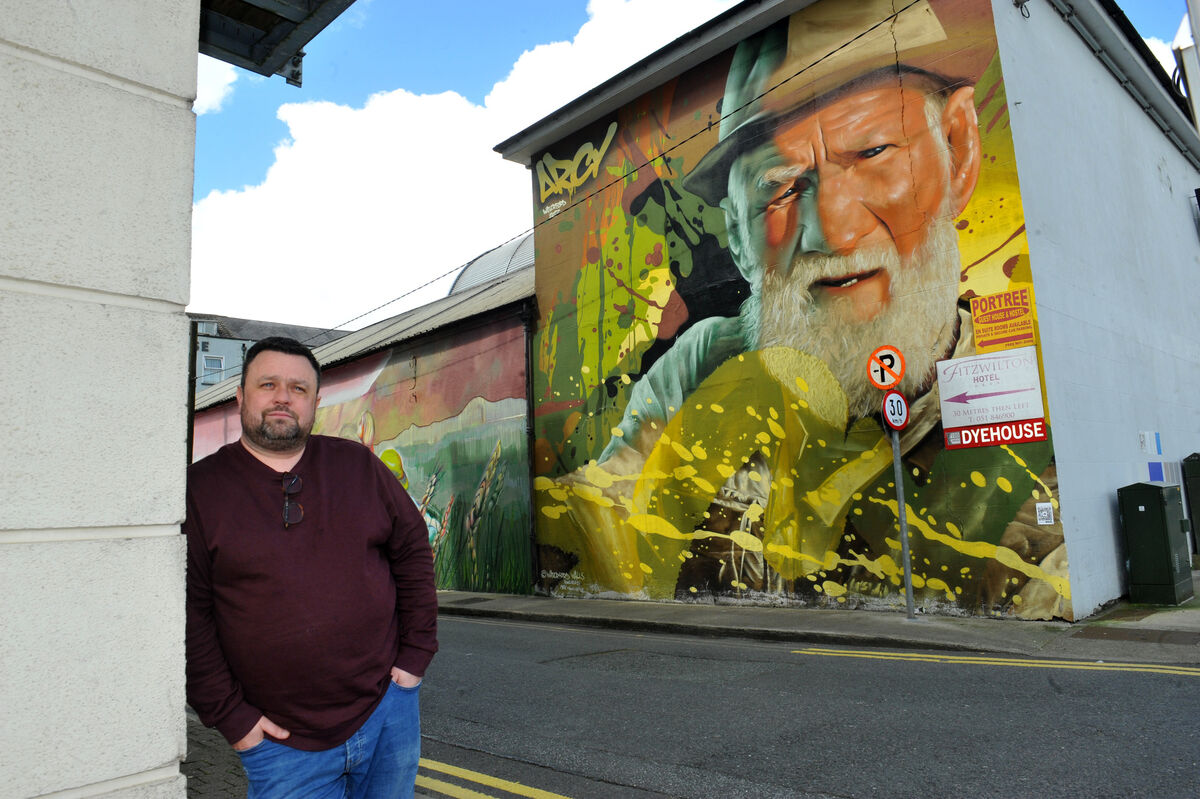
“I recently needed to apply for the disability allowance, a task that would’ve been a real struggle due to my over-thinking and confidence issues. With Cara’s support I found the confidence to represent myself and trust in my own judgment,” says Des, explaining that getting the allowance has given him a chance to take a breath and know he’s going to be able to pay his bills.
The once-weekly, hour-long sessions at Cara have been a lifesaver. “It’s opened my eyes to the possibilities, what’s helpful, what isn’t. What has happened during the week dictates how it goes. If I’m stressed, anxious, we deal with that.”
Cara Autism Outreach has 81 clients on its active list. About 20% of clients receive their autistic diagnosis as adults. Service coordinator Amanda Fox cites a grandfather in his 60s who worked all his life and on paper had a non-autistic life. “Getting diagnosed was a huge relief. He’s always felt a disconnect with certain social things.”
When people who’ve not yet received an autistic diagnosis are referred to Cara, usually to do a course, their intelligence is clear. Yet they can’t find or hold down a job, or they’ve dropped out of college. “On paper it makes no sense – they should’ve been successful at work or college.”
Fox says many who come to NLN/Cara from school – if they were good academically – won’t have had other supports. “They’re technically able to go to college but they’re not able to communicate, organise, build routines, make goals or set schedules, all things needed in college.”
Cara and NLN don’t assess or diagnose autism. They refer for assessment based on criteria they identify in the DSM–5 (Diagnostic and Statistical Manual of Mental Disorders). Criteria could include inflexibility around change, pattern of social miscommunication, limited facial expressions/voice tones or saying something inappropriate and having no awareness of the inappropriateness.
By the time autistic adults get to Cara, many are self-isolated. “They’ve usually faced lots of rejection – they haven’t succeeded at job interviews, they’ve been let go from jobs, school friends have let them go because they’re too hard work,” says Fox.
She adds that young autistic adults feel alienated from what’s expected growing up in Ireland, for example, being part of sports/GAA team, which would require high degree of executive functioning.
Cara supports include:
- Practical: including help to create personal hygiene routine, grocery shopping, cooking, housework, independent travel
- Assistance with form-filling, for example, referral for assessment or to mental health services, disability allowance/medical card/housing applications
- Career and course-planning including psychometric testing to help career/course choice
- Social groups for practice of appropriate social communication and to make friends
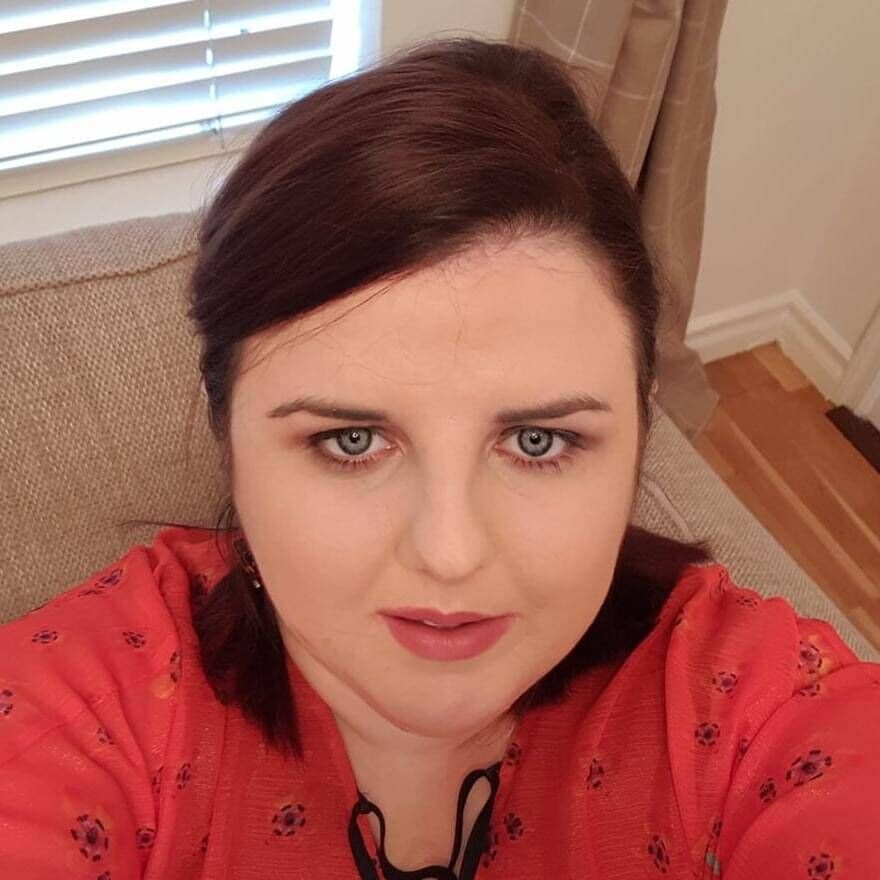
Valerie O’Keeffe, 31, was adept at masking (imitating typical behaviour) and “slipped through the cracks”, only getting her autistic diagnosis aged 26.
“My father died on my 21st birthday. I found it very difficult and took alcohol to cope with the grief,” she says.
Her ability to socialise plummeted. “I had a very narrow range of conversation topics. If people didn’t talk about what I was able to talk about, I struggled. It was very isolating. I felt it was me against the world. I got very angry and depressed.”
Diagnosis came during a six-month stay in St Patrick’s Hospital, Dublin. “It was a relief. I just cried. Finally, someone was able to tell me what was going on.”
While reluctant to attend services, she started attending Cara. “Their outlook on autism completely changed my thinking. They really showed me autism shouldn’t stop me achieving what I want. Before Cara I’d high anxiety – they helped me manage it.”
Now living in Dublin, Valerie regularly links in with Cara and is looking forward to starting college in September, doing business and tourism.
Fox says employers are starting to realise the huge untapped potential represented by the autistic community – and that all they need do is make small allowances in how they advertise, interview and in the workplace environment.
“In return, they’ll have a loyal, diligent, focused employee, giving 100% all the time. Autistic people have a very specific eye for detail and the small difference in neurology means they think differently than the typical person, giving employers a huge benefit.”
Contact: cara@nln.ie, 051 359 220; info@nln.ie.

CONNECT WITH US TODAY



Be the first to know the latest news and updates