Pet Corner: Six things to look out for when caring for an older dog
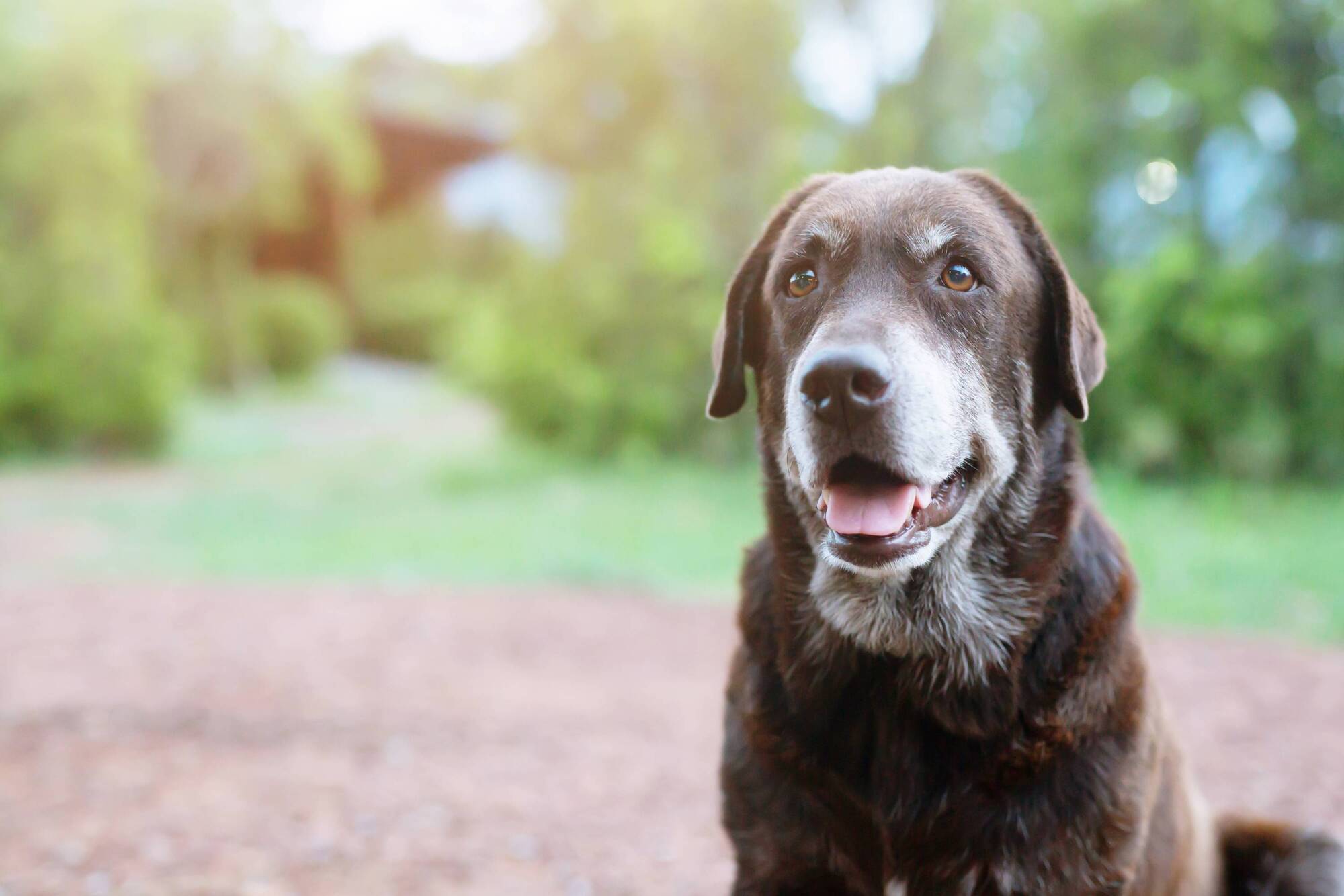
A senior dog needs different care.
While an older dog might not be as interested in playing with toys as it once was, the dog will still need to be exercised to keep fit and prevent obesity. Slower, shorter walks are ideal and to keep the dog’s mind active, play gentler games such as hide and seek with the dog's toys.
As a dog gets older, their dietary requirements will change. Older dogs need fewer calories as they are not as active as younger dogs. Senior-specific dog foods are more digestible, easier to chew and contain minerals to support ageing joints as well as fatty acids to prevent dry skin.
It is normal for a senior dog’s eyesight to weaken. Your dog's eyes might have a cloudy bluish haze to them, which is normal and is just a sign of your dog getting older. However, if they are white and opaque it could be cataracts forming and will need to be checked by your vet. If your dog's sight disimproves, it will know its way around the house and garden by habit and by scent. Try not to move furniture or redesign the garden, but if you must, guide the dog around them so they can learn the new layout.
If your senior dog is hard to wake up and doesn't notice if you walk behind them, they might be losing their hearing. Deaf dogs will sleep very soundly so the best way to wake them is to stamp your foot on the floor so they can feel the vibrations. If they can't hear noises of a certain pitch like your voice, try clapping or use a whistle. A vet can rule out other medical problems, such as an infection, but there isn’t much that can be done for age-related dog hearing loss. Your dog could be taught hand commands after their hearing fades.
Incontinence is quite common, especially in older female dogs. Sometimes it's caused by an infection or weak bladder muscles. Some medications may help so seek veterinary advice if you notice your dog struggling with incontinence.
If your dog is slow getting up or lying down and has difficulty using the stairs, they may have arthritis, especially if you notice it more in cold or rainy weather. Your vet will be able to confirm a diagnosis. There is no cure but food supplements and medications can help with the aches and pains. Place your dog's bed next to a radiator in colder weather and use a ramp or lift the dog in and out of the car to ease their movements.
CONNECT WITH US TODAY



Be the first to know the latest news and updates