Natural health: My daughter has developed psoriasis
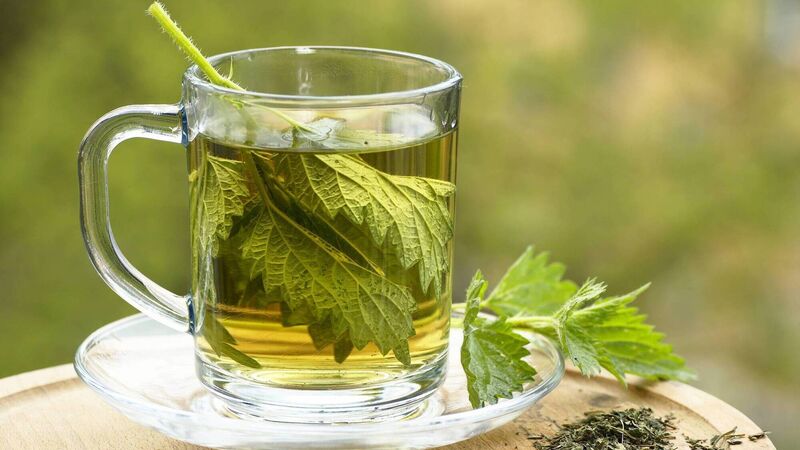
Nettle tea can help to support liver function. Picture: iStock
My 31-year-old daughter has developed psoriasis. It may have something to do with a demanding job she’s recently taken up. What would you recommend?
Stress may certainly be one of the triggers contributing to your daughter’s psoriasis, although it is highly unlikely to be the root cause.
Cold weather can also cause psoriasis to flare up.
Skin issues are common and complicated and can be very difficult to diagnose and treat. Even the exact same condition can shift and change for an individual let alone from person to person.
Topical preparations can provide some relief, but in order to get to the bottom of what is going on, it is best to start from the inside out.
Dietary changes can be key, there may be foods that are of great benefit and healing, while other foods can make things worse and do more harm than good.
There is evidence to suggest that psoriasis may be linked with an inability to effectively metabolise saturated fats from meat products, so your daughter may benefit from switching to a low-fat vegetarian or vegan diet.
Taking nettle tea, and a milk thistle and dandelion brew will help to support the elimination organs — particularly the liver.
Psoriasis is an immune disorder leading to an issue with the skin where cells multiply 1,000 times faster than normal skin. These extra cells then build up, causing the silvery scaling associated with this condition.
Studies have found that in more than half of all cases the problem is inherited, which is why internal treatment is the best place to start in keeping your skin healthy and clear.
There are also supplements that can help your daughter to stay on top of her psoriasis symptoms.
Many sufferers are found to be deficient in vitamins A, D, and zinc, which is not surprising given that this condition is immune-related.
Essential fatty acids (EFAs) can help to regulate skin cell production, so getting fatty fish, nuts, seeds, and quality oils is important.
It is equally important to cut out foods that rob important nutrients and negatively impact your health – such as processed, refined and deep-fried junk foods.
For information and support, check out the Irish Skin Foundation at irishskin.ie/psoriasis/
I get painful chilblains nearly every winter. What can I do?
It is no surprise that chilblains are problematic during the colder months, since they appear as a result of temperature change from either warm to cold or cold to warm environments.
Chilblains tend to be the most problematic on the fingers and toes, but sometimes can also appear on the ears, heels, nose, wrists, and legs. Symptoms include swelling, itching, redness, and pain.
Ensuring your circulation is functioning well helps in the long term. Ginger root (Zingiber officinale) works particularly well not only to improve circulation, but also helps to relieve pain.
Ginger also helps the integrity of the veins and tissues.
You can easily make your own ginger remedy by adding one or two slices of fresh ginger root to a cup of boiling water, adding honey to taste and a pinch of cayenne for an additional boost if desired.
Half to one teaspoon of ginger powder will also be effective if you don’t have the fresh root. Drink a cup of this preparation two to three times daily.
Silica and calcium supplementation in the form of tissue salts may also be of benefit. New Era’s Calc. Phos. (#2) and Silica (#12) work well and are available from health food stores where 240 fast-melt tablets costs approximately €10.50.
NOTE: The information contained in this column is not a substitute for medical advice. Always consult a doctor.
CONNECT WITH US TODAY
Be the first to know the latest news and updates