How to ease the aches and pains of working from home
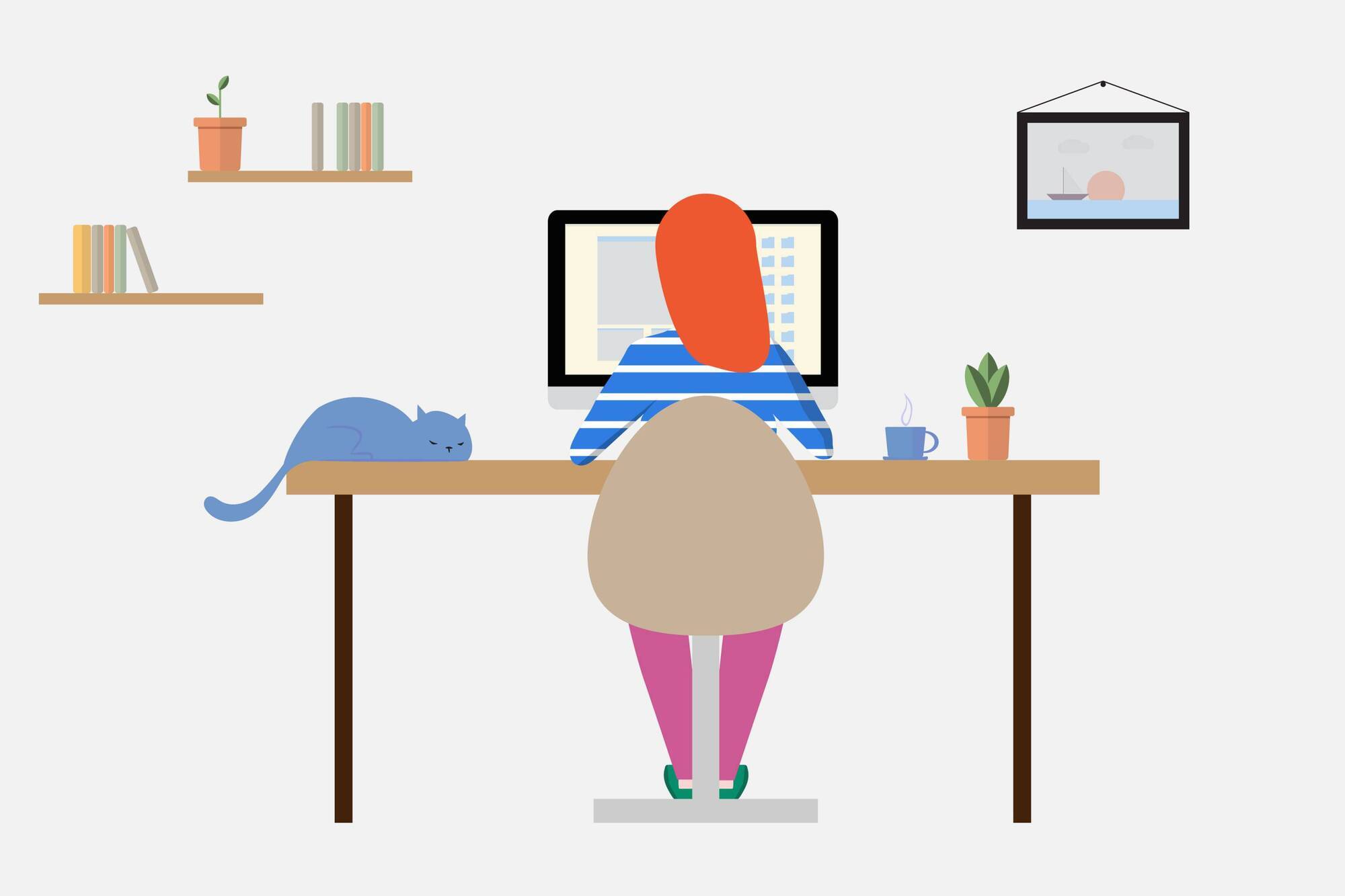
How’s your back? You might have noticed a new niggle developing ever since you stopped going to a workplace and started spending more time at home, perhaps hunched for hours over a laptop which is perched at an awkward height on a surface that was never meant for running a business from, or for managing a team, or for simply sending some emails and taking part in video meetings.
What about your fitness? You never had this much strength before you started that 30-day YouTube fitness class with the kettlebell you bought online. Plus you can run 5km now, nothing can stop you. Except maybe that twinge in your leg. Sound familiar?
Join the club. Since we started spending less time in an ergonomic chair or being guided around a gym floor by a trainer, we’ve all started noticing some unwelcome side-effects from our new workspaces and healthy hobbies, despite the good intentions they stemmed from.
Anecdotes on social media share many of the expected issues: Back pain from poor posture, knee and leg pain from taking on jogging or running too fast. However, one recent complaint caught my eye. In ‘Browser’, independent publisher Tramp Press’s brilliant online round-up of how they’re spending their time in lockdown, Lisa Coen describes a conversation she had while visiting a physiotherapist with a foot complaint: “She told me she’s seeing a lot of people having discomfort with the tendons in their feet due to the fact that they’re going barefoot a lot while they work from home and are therefore getting a lot less arch support than previously.”
My first reaction was to consider it just another thing to blame on Covid-19, but the more I thought about it the more I wondered just how common it is. I turned to some physios in Cork to see if they’d encountered an increase in similar issues in the past 10 months and to learn what’s been ailing the nation.
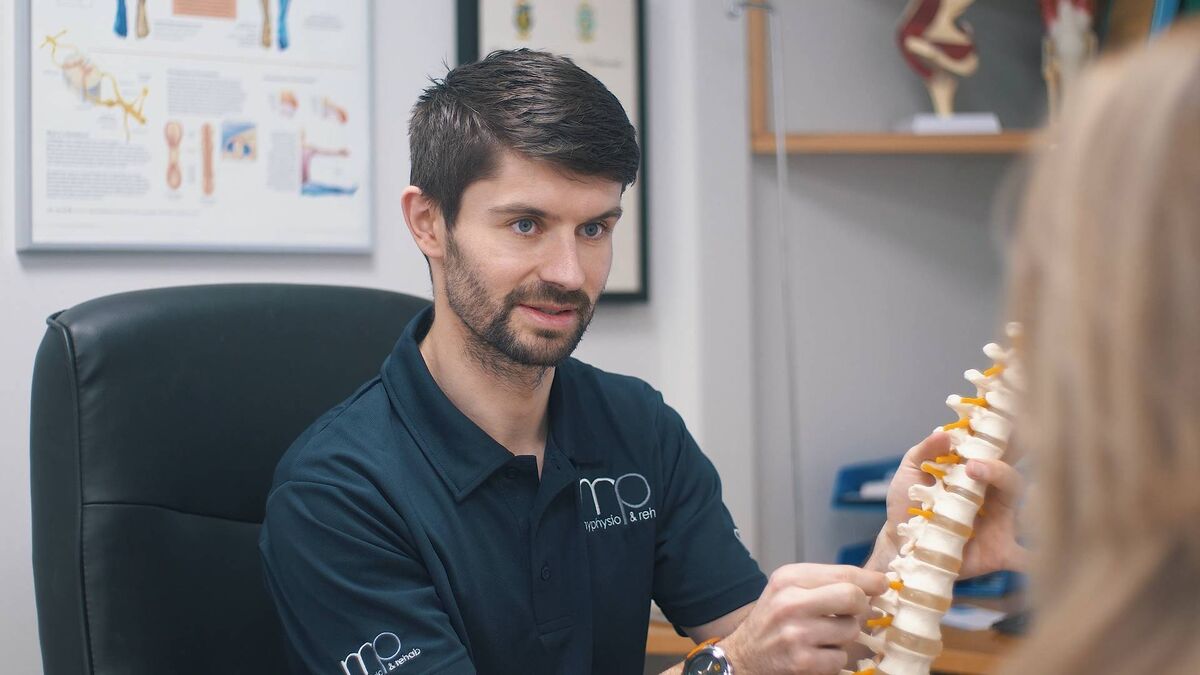
John Flynn, a chartered physiotherapist with MyPhysio & Rehab in Cork City (myphysio.ie), says there have been some noticeable trends emerging since the beginning of the pandemic. “We haven’t seen anything like those tendon issues from going barefoot, instead there have been three main things cropping up," he says. "The most obvious one is back pain.
"They were working in inappropriate setups, like the kitchen table or a desk and chair that weren’t aligned correctly. The desks they had at home might have been fine for light emailing for an hour or two now and again but they weren’t right for eight-, nine-, even 10-hour workdays.”
Flynn says the other health issues he has seen cropping up commonly during the pandemic stem from either over-exercising or under-exercising. “From March and into the summer, we saw the people who had extra time making the most of the long evenings and fine weather by taking up jogging or pulling up a Couch to 5K app and taking on that challenge.
"Often they progressed too fast and hurt themselves. When we reopened we saw issues like shin splints and some joint and tendon pain.
"It was the same with at-home exercising, some people Googled a workout and followed it without realising it was too advanced for their fitness level.
"The Couch to 5K or simple exercise videos may seem appropriate but a lot of the people we were seeing were coming off the back of no exercise to five days per week. This is simply too much too soon and will lead to problems at some point.”
On the flip side, many of the clients Flynn worked with over the past year saw a huge drop in their activity levels and an increase in pain and stiffness. “On the other hand, we had people who used to park somewhere a short distance from work, like Kennedy Park, and walk into their office in town each morning suddenly working from home and going without those 10 minute walks to and from the car, their lunchtime walk, as well as walking around the office to meetings, etc.
"After a few months, they came to realise how little they were walking each day and started seeing a very low step count or they started feeling neck and back stiffness despite having an ergonomic work station at home.
"A short walk a few times per day is often all that’s needed to improve your back’s mobility and it can prevent pain and other issues from occurring or developing.
"We often suggest that people walk for 10-15 minutes before starting at work, lunchtime and in the evening a longer walk. Keeping mobile is really important. Prolonged static positions are not ideal, breaking up these static positions can help.”
Eric Wolfe, a chartered physiotherapist from the Cork Therapy Centre in Blarney (corktherapycentre.com) has seen similar trends since returning to work. “As a clinic we were closed from mid-March for two months. Upon our return there were two types of injuries that we noted,” he says.
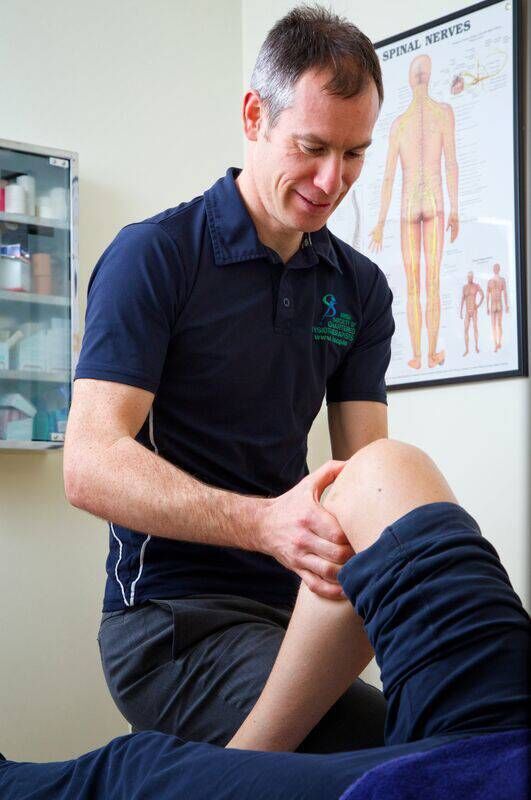
“Firstly there was a large increase in posture-related back and neck pain as a result of people working from home. This was largely a result of poor seating and sitting at an ill-fitting desk or kitchen table.
"This did improve when employers started allowing employees to take home their office chair and with some covering costs of setting up a home office.
“The second injury that we were seeing was conversely caused by people doing more exercise than they had ever done before. So many people had taken up running that had never done it before and increased their training quicker than their body was able to adapt to the new stresses. This was also the case with people doing home weights or Joe Wicks-type workouts and many of these injuries didn’t become apparent until six weeks into the increased training load.”
Other fitness-based injuries emerged in the summer, Wolfe says, when group sports returned. “This was more sports-like injuries such as hamstring and calf tears.
"This group of people was straining and tearing muscles as there was a quick increase in GAA and football training and matches. Although many of these were fitter than ever as a result of running and training more in lockdown, a lot of them were not used to the sport-specific training and stresses of matches.”
Like Flynn, Wolfe has been treating patients who felt the effects of months of reduced activity. “The fourth group that I am beginning to see now or the chronically unfit people who have been working or schooling at home for months on end. Their bodies are grossly unconditioned to exercise,” Wolfe says.
“As many of them now wear fitness tech watches, they can be surprised to find that they are doing only a couple of thousand steps in a whole day (this is simply nowhere near enough exercise).
With more people choosing to run before they can walk, these injuries are likely to continue through this lockdown as novice joggers and exercisers take to the pavements or YouTube workouts. Flynn says the best thing to do if you feel pain at any stage, whether from being sedentary or from increased movement, is to get in touch with a chartered physiotherapist for advice and possible treatment if necessary.
“The safest thing to do is contact a chartered physiotherapist. We can diagnose and treat the pain and also advise on safe activity levels to suit each person. All chartered physiotherapy clinics are allowed to remain open from level 1-5 and, for those unable to attend in person, we do online video assessments which have been hugely beneficial to our clients to get them out of trouble.
"Chartered physiotherapists are ideally placed to help with people who are experiencing pain or need advice on exercise.”
If you feel you need to see a physio, practices are open as an essential health service, so it’s worth calling your local clinic to discuss any issues.

CONNECT WITH US TODAY



Be the first to know the latest news and updates