Smart strategies for surviving Lockdown 2.0

Jackie Tyrrell
WE'RE in lockdown again and, for most of us, it's a challenging place to be, especially second time around. As psychotherapist Stella O’Malley points out, we had no concept of what a lockdown meant in March. Now, in October, we’re seasoned veterans.
We asked six people to share their coping strategies for the next six weeks — and the one thing they all agree on is that we need to be kind to ourselves.
For swimmer Grainne McGrath, daily dips are like a meditation, and she isn’t put off by the falling temperatures. “The coldness makes it better,” she says. “It makes you feel as if you’re in the moment. It takes you out of everything.”
Grainne, from north county Dublin, has been teaching swimming for 20 years and, as far as she’s concerned, it’s never too late or the wrong time of year to learn. Her latest pupil is a 63-year-old woman who had never swum until she started lessons in the sea three weeks ago.
Grainne says the trick to swimming at this time of year is to keep yourself acclimatised with regular dips.
She recommends first-timers get a pair of swimming gloves and booties and start off with a one-minute dip, and to gradually build up their tolerance. “Once you’ve done it and you have that warm drink in your hand afterwards, it feels amazing.”
Grainne still gets that euphoric feeling afterwards, and she isn’t planning on hanging up her wetsuit anytime soon. “I’ll swim throughout the winter. I call them my sanity swims.”

Feelings of anxiety can have a detrimental impact on our sleep, but Lucy Wolfe says we can learn to cope better. She suggests deep-breathing exercises and taking moments for pause during the day to help regulate our feelings. “Journaling can also help to process complex feelings,” she says.
Make sure to have a regular rhythm to your day, even if it is no longer defined by work demands. “A regular wake time is key to setting the tone for the day and also helping to create enough room for bedtime.”
If your bedroom is doubling as your office, Lucy recommends changing the context of the room for sleep time by doing a digital detox and creating a more relaxing environment. “Keep phones out of the bedroom after a certain time.”
A child’s sleep patterns can also be affected by Covid anxiety, so Lucy suggests limiting their exposure to the news and talking openly about their concerns. “Keep to a regular routine, even at weekends, to ensure that their sleep schedule does not become imbalanced.
“Although the weather is turning now, don’t underestimate the benefits of outdoor activity and grounding them in nature, enhancing their wonder and awe as the season changes and reducing their screen exposure.”
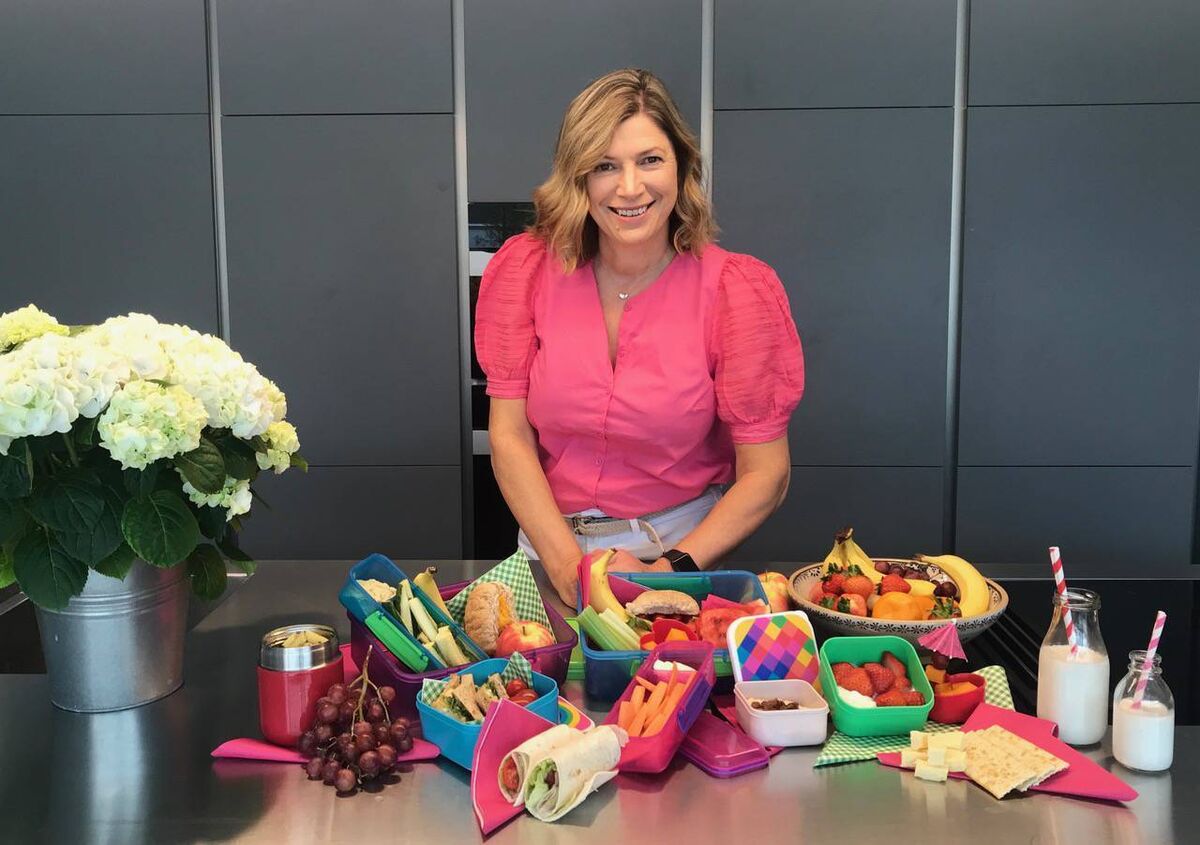
“This is not the time for strict diets and harsh words,” says Louise Reynolds. Instead, embrace the season and opt for warming dishes such as stews and casseroles.
“Pack them with vegetables, beans, and lentils for a nutritious, fibre-filled meal,” she says. “These foods are really good for our gut and we’re learning more about the relationship between our gut and our brain.”
Although during lockdown it can feel like the kitchen is open all hours, Louise suggests eating mindfully. “Before opening the fridge, take a breath and ask yourself how you feel. Are you really hungry? Or thirsty? Stressed? Bored? Think for a minute and differentiate between your needs and wants.
“Try to have allocated meal times so that you are not grazing all day — and night.”
While she recommends packing your diet full of healthy, mood-boosting foods — such as fruit and vegetables, wholegrain cereal foods, and proteins including oily fish — she also suggests treating yourself to some of your “favourite foods from time to time, even if they are not the healthiest choices. Healthy eating is all about balance and we need to be gentle on ourselves these days.”
See indi.ie
One of the most effective ways to make your home happier is to declutter, says Jackie Tyrrell of Jackie Tyrrell Design in Kildare.
If you’re working from home, divide your house into zones and ensure that wherever you are working — whether it’s the kitchen table or a separate room — has lots of natural light. Create a space that you can walk away from or pack up easily. “If you can’t close a door on the space, consider using a room divider or screen to demarcate it from the rest of the home.”
Lighting can also help you to easily flip a space from a work zone to a relaxation zone. “Try swapping your existing bulbs for antique ones. These are LED and really efficient and they will give your room a warm and cosy feeling, immediately washing away the working day.”
She recommends lighting candles and surrounding yourself with items that make you feel good. “Gather together some photos of friends and family to create a gallery wall and make you smile.”

For Stella O’Malley, the key to the next six weeks is coping authentically. “This idea that we could just charge on, it’s not good for us,” she says.
She says that we need to build up our resilience and tap into it, but she’s quick to point out that she means giving yourself the time and the compassion to be upset about the situation and then slowly working out how best to manage it for yourself.
“We all found out since March what worked for us and what didn’t,” she says. “I think it could be helpful to gather the family around and let everybody say their bit. People found strategies and we can reflect on that.”
Crucially, she says you can’t compare the situation in March to what we’re facing now. “They’re going to be very different, so we have to approach them differently. We know what’s coming, we didn’t last time.”

“The big thing is to be more aware and more gentle with ourselves,” says John Douglas, senior meditation instructor and counsellor at Dzogchen Beara, a Tibetan Buddhist retreat centre near Allihies, Co Cork.
He believes that learning to meditate is one of the most important gifts you can give yourself because you’re learning to be more aware of how your mind and emotions operate. “This can help us catch things before they start to build up.
“Take a few moments during the day just to breathe and ask yourself ‘how am I?’ and ‘what’s going on?’. Notice the tension building up. Instead of judging ourselves, meet your answer with kindness and respect and even talk yourself down, ‘this is okay, this is going to be over’.”
He suggests saying the same things to ourselves as we might say to a friend, using the same soft tone.
“Equally important is to remember that it’s not just you who feels this way. Particularly when we’re in lockdown, it’s easy to think ‘it’s only me’ and we almost increase our own isolation because of it.
“There is a national weariness, but it is still all of us in it together. This time it may be slightly more difficult, so it’s particularly a time for self-kindness.”

CONNECT WITH US TODAY



Be the first to know the latest news and updates