Northern lights: Think like a Norwegian to beat the winter blues
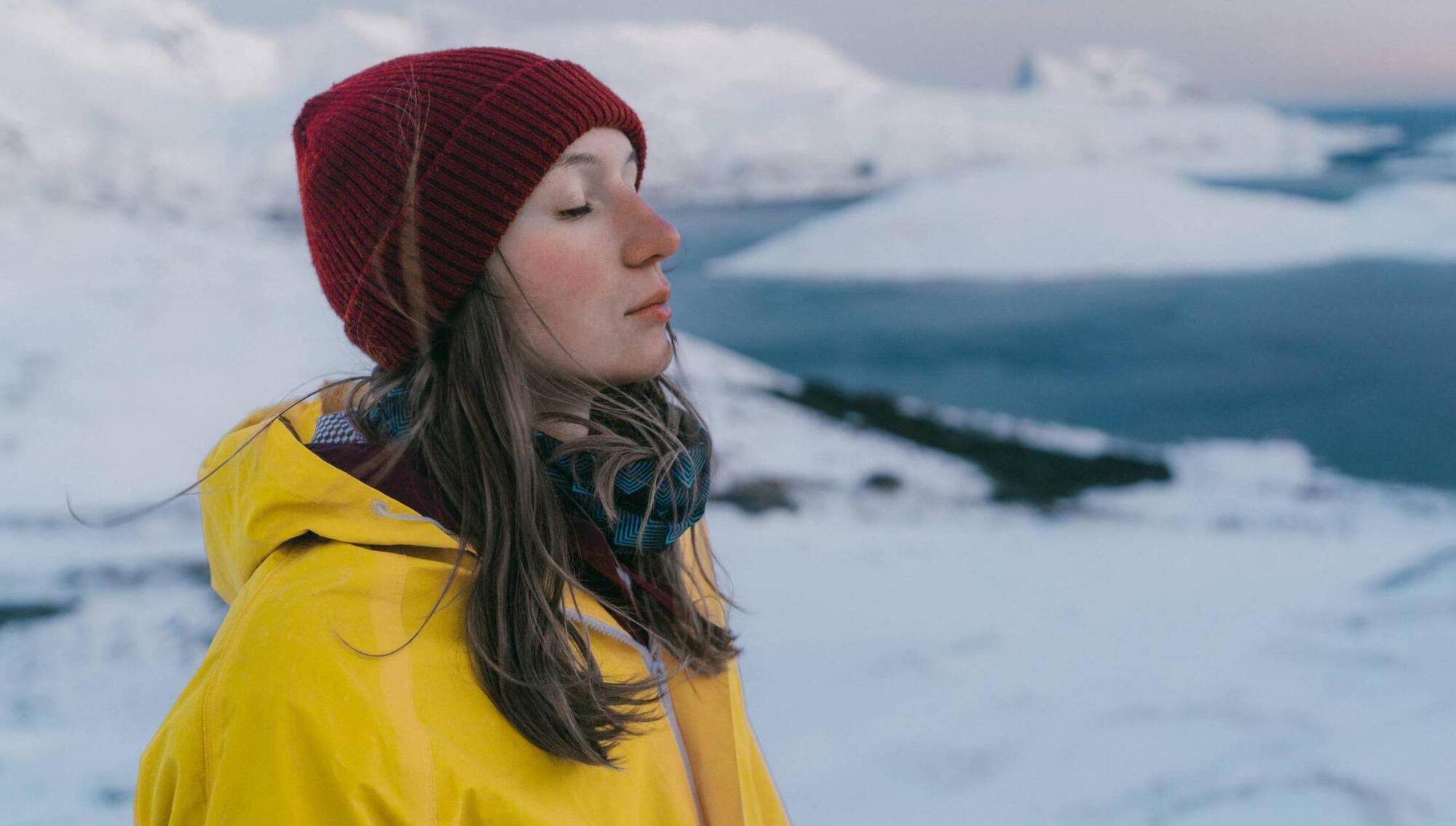
Picture: iStock
WINTER may be tinged with sadness this year because can’t see each other as much as usual, and nurture ourselves with each other’s company. Especially if we are prone to SAD. Seasonal Affective Disorder impacts around one in 15 Irish people, its symptoms fairly identical to regular depression, except it starts in autumn and ends in spring. 80% of those affected are women of reproductive age, although it affects boy and girl children equally, and recedes as we get older.
SAD is caused by the sleep hormone melatonin being secreted at the wrong time of day during winter months, causing lethargy and oversleeping, and the neurotransmitter serotonin – which regulates mood and anxiety – being under stimulated through lack of sunlight. Sunlight transmits signals to the suprachiasmatic nucleus and raphe nuclei in the brain, which relate to circadian rhythms and serotonin activation; if there is not enough light, this network is not sufficiently activated. Cue depression. And women are thought to be more susceptible because of the connection between the female sex hormone estradiol and serotonin levels.
Even those who don’t suffer from SAD may still get sub-syndromal SAD - the winter blues – which can leave us feeling lethargic, demotivated, tired, carb-cravey, joyless. And that’s before anyone throws a global pandemic into the mix and the social isolation that this creates.
Yet in cold, dark Norway, SAD is not a thing. How can this be? Stanford psychologist Kari Leibowitz left sunny California to live for a year in Tromso, 1800km north of Oslo, and 350km inside the Arctic Circle. There she conducted research with psychologist Joar Vitterso at the northernmost university in the world, where Polar night means just three or four hours of barely-there daylight in mid winter. Their findings, published in the , showed how mindset contributed significantly to Norwegian winter wellbeing.
The two psychologists devised a wintertime mindset scale – ten statements, positive and negative ('There are many things to enjoy about the winter'; 'I love the cosiness of the winter months'; 'Winter brings many wonderful seasonal changes'; 'Winter is boring” etc) which they used to elicit responses from 238 people from southern Norway, northern Norway and the Arctic island of Svalbard, which has zero daylight mid-winter.
They used the responses to gauge attitudes towards winter, wellbeing, life satisfaction and positive emotions. Counterintuitively, the people located furthest north responded with the most positive their attitudes towards winter.
There’s a reason for this, however. “If I had to guess, I'd probably say that's because Svalbard is a self-selecting sample,” says Kari Leibowitz. “It is much darker and colder than even northern Norway, and much more remote... You're not allowed to give birth there, so pregnant women have to leave, in case there are pregnancy complications their small health facility can't handle. People tend to only live there for a few years at a time, and always by choice, as opposed to the rest of Norway, where people are more likely to be born and raised. So I'd say you would only end up on Svalbard if you had a pretty positive wintertime mindset to begin with.”
Another study from scientists at the University of Toronto showed how Icelandic people appear to be “genetically protected” from SAD, to the extent that Canadians of wholly Icelandic descent suffer far less SAD than other Canadians. (There is a theory linking this to the high fish consumption in the Icelandic diet – fish contains vitamin D and the omega 3 DHA, required for smooth neurological function – which correlates with Japan, whose population also eats tons of fish and tends not to suffer from SAD either.)
Obviously, it's important to remember that full-blown SAD, no matter where you live, is a serious depressive condition requiring medical intervention, the same as any other serious depressive illness. However, perhaps less severe winter blues could be addressed through a change of mindset and lifestyle – especially in preparation for this forthcoming winter, which may be more challenging than usual. Maybe, despite the relentless wet grey of the Irish winter rather than the crisp snowy Norwegian version, we could help ourselves through it by thinking more like Norwegians.
“There are lots of potential strategies,” Kari Leibowitz tells . “Figuring out what you like about winter and leaning into it, embracing it as a quieter time of year to get cosy, hibernate a little, and be reflective, and using light to celebrate the darkness by purposely creating spaces filled with soft lighting, candles, or fire.
“But I would say the most important is to get outside, no matter the weather - if you are fortunate enough to have the means, invest in practical winter clothing.
“Even if you've never been one to enjoy outdoor winter activities, try bundling up and meeting friends for a winter walk or, if possible, over a bonfire. Since it's safer to gather with people outdoors than inside [during the pandemic], this will have the double benefit of exposing people to nature and helping them be more active and helping them to socialise safely.
“What I observed in Northern Norway [being outside] was a really important component of their wintertime wellbeing and positive wintertime mindsets. I do think it is possible to create an intentionally rich winter life that doesn't include much time outdoors - doing yoga or other exercise indoors, really embracing the opportunity to hunker down inside and bake, read, sleep, make art, etc - but I do think that [being outdoors] is tremendously helpful.
“Many, many psychology studies show that people feel better, are happier, and have better health when a) they are getting some form of movement or exercise and b) they spend time in nature, so combining these two activities is a strong cocktail for wellbeing.”
The key therefore to enjoying winter this year, rather than just holding your breath until spring, is adaption. Instead of day and night blurring into one endless grey blob of time, create contrast by outdoor activities, then enjoying the cosy feeling of hygge afterwards– or koselig, as it’s called in Norway.
Instead of dreading the cold and wet and dark, get proactive: if you have a garden, you can dig a fire pit for free, or get a metal one for your patio. If you’re broke, or they have sold out, the drum of an old washing machine – as all festival veterans know - works a treat.
Bell tents are also your friend – they offer shelter and ventilation simultaneously, and can be fitted with wood-burning stoves, which are warm, economical and less environmentally damaging than patio heaters (www.boutiquecamping.com does beautiful canvas bell tents in all sizes, plus wood burners, that last forever, and are really easy to put up). Head torches are your friend, as is good outdoor clothing, and the perspective to see the coming winter as an invitation to be inventive and creative rather than restrictive and miserable.
Back indoors, feed your inner world so that you aren’t overly reliant on screens for entertainment. Find a creative project and lose yourself in its flow. Schedule regular, frequent chats with friends. And yes, bake stuff, but maybe don’t eat it all.
Dr Harry Barry, author of several books on mental health, urges us to get organised, so that we are emotionally and practically ready for the forthcoming months and whatever they throw at us, whether we are prone to SAD or not.
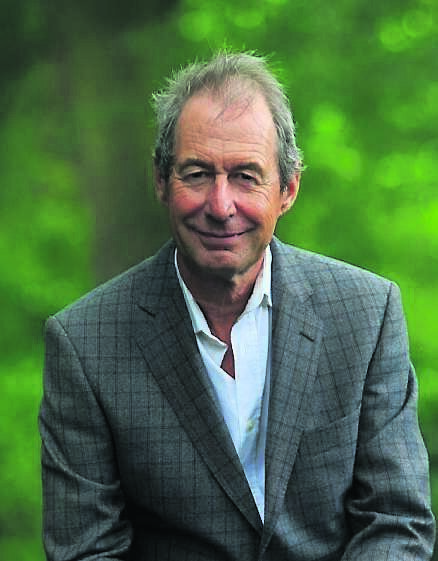
“The only way to survive is through structure,” he says. “If we float into this unprepared, if we are forced back into our nuclear units, it could be suffocating – we are naturally gregarious people.” The first thing he suggests we do is to “strongly limit your newsfeeds. They are non-stop, negative, and on social media, often false. Absorbing non-stop negativity causes stress. So check in once a day from a trusted source, and then leave it.”
Have the same structure as you would during a normal winter – stick to the same timetable and schedule, he continues. “People I see are saying how their workdays are flowing into each other, that they are wedded to their tech – so we need to work as we would if we were at the office or where ever, then take clear breaks, have clear time off.
“Sleep is critical – I would say sleep is the most important thing of all. It’s everything. Go to bed and get up at the same time. Have a clear sleep hygiene protocol. Stress, anxiety and depression are linked to sleep, or lack of it.
“Exercise is also critically important – get outside, ideally in the middle of the day. Fresh air and exercise lower stress and ups your endorphins. If you can’t get outside every day, take a vitamin D supplement.
“All of these things work together as a package. Also, social nourishment is vital for mental health, so we have to remain in contact with each other any way we can – even if we don’t like it, Zoom is better than nothing, especially for older people.
“If your entire social structure is removed, it has a huge impact on mental health, which is why families and communities have to look out for each other. So – improve your lifestyle, try to socialise as much as possible [within health protocols], and look for the joy in small things. It seems as if all the joy has been sucked out of our lives. But there is joy everywhere, we just have to look for it.”
- The clocks will go back an hour at 2am on Sunday, October 25
CONNECT WITH US TODAY



Be the first to know the latest news and updates