Animal attraction: Children can learn important social skills from their pets
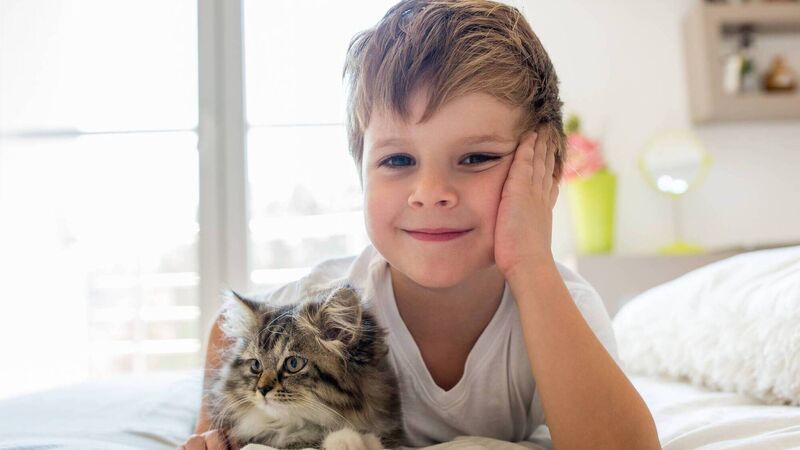
Picture: iStock
WHEN he was a child, Shane Brennan used to visit Dublin Zoo regularly, and the trips made a lasting impression on him. When he was applying to study television in college, he even made a short film on the zoo for his portfolio.
Now, almost two decades later, he’s back in the Phoenix Park making the television series , which has been watched by more than 100m people worldwide.
He believes it is natural for children to be curious about animals, and this curiosity can make a real difference to the future of our world. “I think that learning about the destruction and harm that humans are causing in the natural habitats of the animals in Dublin Zoo, many of whom are critically endangered, can light a passion for the environment in kids at an early age,” he says.
This is echoed by child psychologist Catherine Hallissey, who says that love of animals helps children to take a wider view of the world. She believes children have a natural interest in animals and she has seen how having a pet can have incredible benefits for young people.
“We’re a connection-seeking species,” says Hallissey. “And we’re also a care-taking species, so there’s something about pets that fulfils this primal need within us to both connect with and care for another.”
Animals can teach children about family structures and loyalty and how different species co-exist and benefit from each other, she adds.
Nurturing play is actually innate to young children, says Hallissey, and “when they’re with a pet, it allows them to foster that caring side of themselves”.

In her Cork-based clinic, Hallissey has listened to many children talking about how much love, connection, and friendship they have with their animals.
“I use pets a lot for helping children tune into the signals of others," she says. "I use it around social skills and compassion and empathy — because if you’re rubbing a cat or a dog, and they are showing that they don’t like it and you respond as a child, that’s really developing empathy and compassion, and responding to somebody’s needs in the moment.”
She believes that having a pet encourages playfulness, compassion, responsibility, and empathy within a child.
“Then, there is the benefit of being loved, being needed," says Hallissey.
"When the cat is rubbing up against you or the dog is licking your hand, you get this immediate feedback that you’ve done something good. You get this boost to your sense of self, and you get this reciprocal back-and-forth interaction of caring for another, and being cared for back.”
Hallissey, who is also a parenting coach, says the definition of a good friend is somebody who cares for you, who thinks of you, and who you have fun with.
The unconditional love offered by a pet is incredibly beneficial to a child, she says, and having a pet in their lives can help children to develop competency as well.
“If you’re four years old and the first thing you do in the morning is let in or let out the pet and feed them and rub them, that’s starting your day with really high levels of competency. It’s real skill-building, and it shifts you out of your focus on yourself — an ego-centric focus — to caring for another."
She highly recommends getting children involved in the care of a pet at whatever level they can. Her four-year-old twins have the job of feeding their cat, and she says that they love being the ones to let Tiger in when he comes to the door.
If you are thinking of getting a pet, it should be a family pet, says Hallissey, not just for one child. To ensure that everyone helps out, she suggests writing out all the tasks involved in looking after the animal, dividing them up and establishing a routine in order to maximise the benefits and minimise the stress.
“It’s also important that the parents’ expectations are developmentally appropriate,” she says. “At age six or seven, you wouldn’t expect a child to clean out the cat litter, but you might ask them to be with you while you’re doing it and you’re showing them.”
She also points out that one of the jobs with a pet is cuddling them and giving them love.
Youngsters have an in-built interest in animals, says Brendan Walsh, who is keeper at Dublin Zoo. "There are so many different-looking ones, from tiny birds to massive mammals, colourful fish to fast-moving reptiles," he says. "Their variety sparks children's curiosity.”
Close to home, Hallissey says that her children love looking at birds flying around their house and trying to identify them. “We have bats that come around every night so we’re always waiting to see them.

“I can’t wait to watch the new David Attenborough TV series with my kids, because it just fills this sense of wonder within us and we know that experiencing awe and wonder is actually really healthy for us.”
For Walsh, seeing animals in all their glory is the perfect way to connect with them and to appreciate their size and presence.
“Seeing their eyes and catching their gaze is a real treat," he says. "Dublin Zoo creates memories that will stay with the children forever. I've seen so many delighted faces during my days at the zoo when young faces are in the presence of great animals.”
CONNECT WITH US TODAY



Be the first to know the latest news and updates