Skin Nerd: The SPF debate - is chemical or physical sun factor better?

Skin Nerd: Do you know your chemical from your physical sunscreens?
We’ve talked lots about the importance of sunscreen, and last week I gave you some tips on what to look for in a daily SPF. This week, I am delving further into the world of sun protection with a look at the differences between chemical and physical sunscreens.
Sunscreen options have evolved dramatically over the years but trying to decide whether you need a chemical, physical or hybrid SPF can complicate things when you don’t know the difference between the types.
According to research, 61% of humans struggle to tell the difference between a chemical and physical sunscreen formula. Why is this important? Well, more people than ever before are interested in what goes into their skincare products and with possibly the most important job of all skincare products, educating yourself on what’s in your sun protection is always a good idea. It’s not often clear from the labels, so notepads at the ready for sunscreen 101, part two:
Also known as organic filters, chemical sunscreens work like a sponge and prevent damage by absorbing any harmful UV rays. Common ingredients found in chemical sunscreens include avobenzone, octisalate, octocrylene, homosalate and octinoxate. As well as offering higher UVA protection, chemical SPFs are known to be lighter in texture, making them easier to rub into the skin than many physical formulas. They benefit from a clear application and are also more likely to suit a variety of skin tones.
The downsides of this type of sunscreen include the increased potential to cause irritation and allergic reactions in sensitive skin. Research has also found these to be harmful to coral reefs, indeed Holland & Barrett became the first UK retailer to ban the sale of chemical sunscreens earlier this year. Some humans may also be concerned about the safety of chemical sunscreens but remember that every sunscreen is subjected to rigorous safety checks before being made available to the public.
- TRY: Kiehl’s Ultra-Light Daily UV Defense SPF 50 PA++++ which is lightweight and has an invisible finish.
Sometimes referred to as mineral or inorganic sunscreens, physical filters include zinc oxide, titanium oxide and calamine. These filters work by absorbing and reflecting UV rays away from the skin, often having a heavier texture (that can leave a white cast on the skin), but on the upside also reducing the likelihood of allergic reactions, making them great for sensitive skin. Deemed ‘reef friendly’ in comparison to chemical formulas, many physical sunscreen filters are ideal for both daily and prolonged sun exposure because of their broad-spectrum protection against both UVA and UVB rays.
- TRY: Skingredients Skin Shield Moisturising + Priming SPF50 PA+++ provides high factor, broad-spectrum protection and leaves a peachy glow rather than white tint on the skin. Murad City Skin Broad Spectrum SPF50 also protects the complexion from urban pollution without leaving an ashy tint.
Don’t want to choose? Some sunscreens include both physical and chemical ingredients which present a happy medium option for those who can’t decide.
Exposure to UV rays not only puts you at risk of skin cancer but can cause hyperpigmentation and the acceleration of fine lines and wrinkles. The most important preventative step you can take to protect your skin, meaning that the type of sunscreen you use is secondary to the act of using it. Without a doubt, protection is the most important objective, so choose a sunscreen you love to apply (and reapply every two hours).
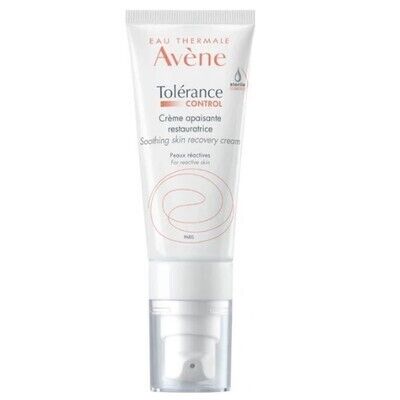
Avène is an excellent brand for calming itchy, inflamed or irritated skin - the Tolerance range is especially soothing for sensitised skin. One product that I always come back to is the Soothing Skin Recovery Balm, which is phenomenal at pacifying stressed-to-the-max skin. Enriched with patented post-biotic active ingredient, D-Sensinose™, it not only respects the top layer of the skin but replenishes the microbiome. I love the rich, comforting texture which is especially good for alleviating extreme dryness. Apply after cleansing day and night for immediate relief when your skin is upset and sore.
Avène Tolerance Control Soothing Skin Recovery Balm, €23.00, Boots.ie.

CONNECT WITH US TODAY



Be the first to know the latest news and updates