Tin Castle: 'I wasn't making a film about Travellers, I was making a film about family'
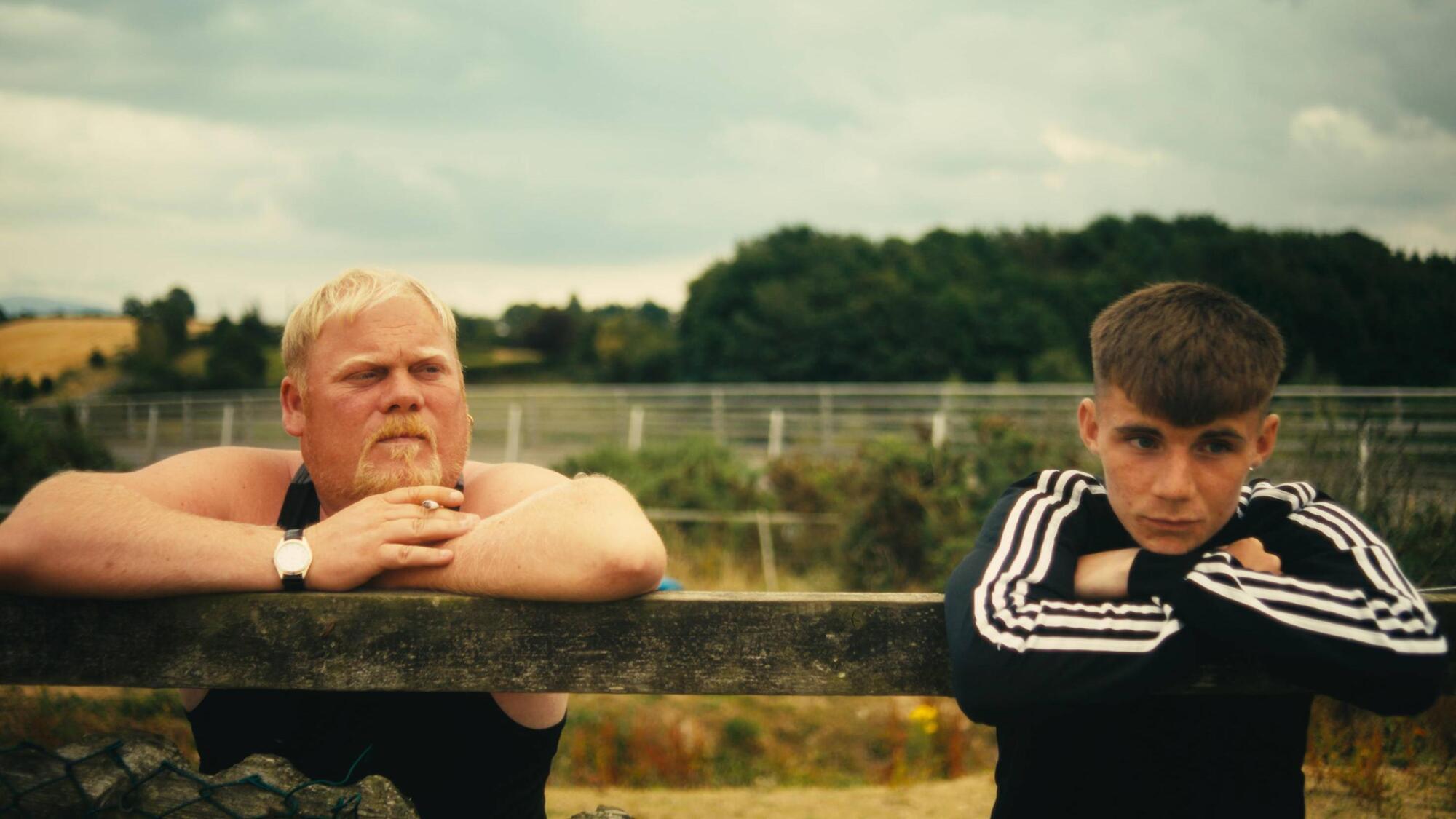
A scene from Tin Castle, a documentary on the O'Reilly family.
In filmmaker Alexander Murphy trains his lens on the O’Reillys, an Irish Traveller family living in a roadside mobile home in Munster.
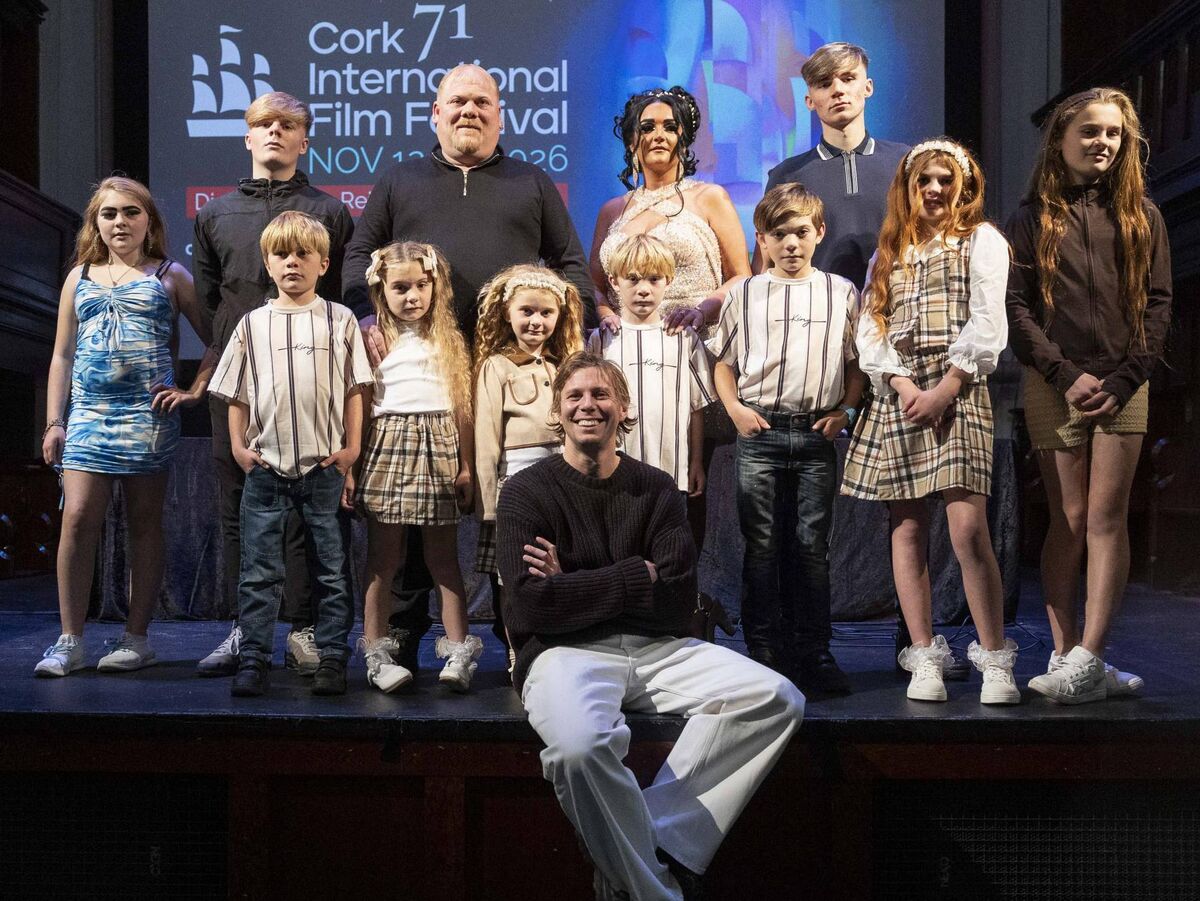
Following its debut at Cannes, the observational documentary has been generating strong buzz on the festival circuit — most recently at Cork International Film Festival, where the O’Reillys joined Murphy at Triskel’s sold-out screening.
The intimate, touching and often funny documentary focuses on the family and is often told through the eyes of parents Pa and Lisa’s 10 children. They navigate their way of life through challenges, including living in testing, rundown conditions and the possibility of eviction.
The night before this interview, Murphy brought the O’Reillys' story to a screening for audiences at Doha Film Festival in Qatar. “They responded very well to the film,” he says. “I think at the end of the day, there’s something quite universal in this story. It’s about family, and everybody has a form of connection with the O’Reillys in their own way.
“The first time I met them, it was quite unique because they live near Cashel in the countryside, and you cross over a bridge, and underneath is a motorway. You feel like you're entering a different world because you see this little mobile home isolated from everything. There are usually Travellers living in housing sites or in houses, but rarely by themselves,” he says, adding he found himself drawn to this young family and their playfulness despite their difficult circumstances.
“I kind of fell in love with this family, with the children, with that energy, and I kept coming back regularly. At the end of it all, I thought I was making a film about Travellers, but I wasn't making a film about Travellers anymore — I was making a film about family, the O’Reillys.”
Filmmakers who have traditionally inspired Murphy include Sean Baker ( ), Andrea Arnold and Ken Loach. But when he started developing the project, he put that aside, instead remembering the work of a photographer he admired.
“When I was a bit younger, there was a photographer that really stuck in my mind, Joseph Koudelka. He did a series in the 70s of photography of Gypsies in Slovakia, Slovenia and France, and there was so much beauty and elegance in his pictures that I wanted to be able to portray the family in that way with that elegance.”
Murphy also leaned into his own childhood memories of Ireland and home videos during his own formative years in his mother’s native Co Wexford. He wanted to create a proximity to the family by making the documentary feel like a home movie, he says, adding he was inspired by the videos his uncle used to make of him and his cousins in Ireland.
“That’s my childhood in a way — having a 99 at a petrol station, going to the river. I wasn't on a sulky, but I was in a lorry going to the shop.”
Filmed over the course of five years, centres on the family as they negotiate difficult living conditions and the growing threat of eviction. The O’Reilly family — and in particular the children — are resilient, wise and often very funny. Murphy knew they were vital to the documentary’s storytelling.
“From the get-go, I knew that the children were key in this film. I wanted to film this through the perspective of the children. It’s called for a reason — it’s a beautiful playful environment, full of games and that sense of freedom.”
That brought its challenges. Making an observational documentary, Murphy was keen to fade into the background — but as a tall French-Irish man in a small mobile home, he drew the curiosity of the children.
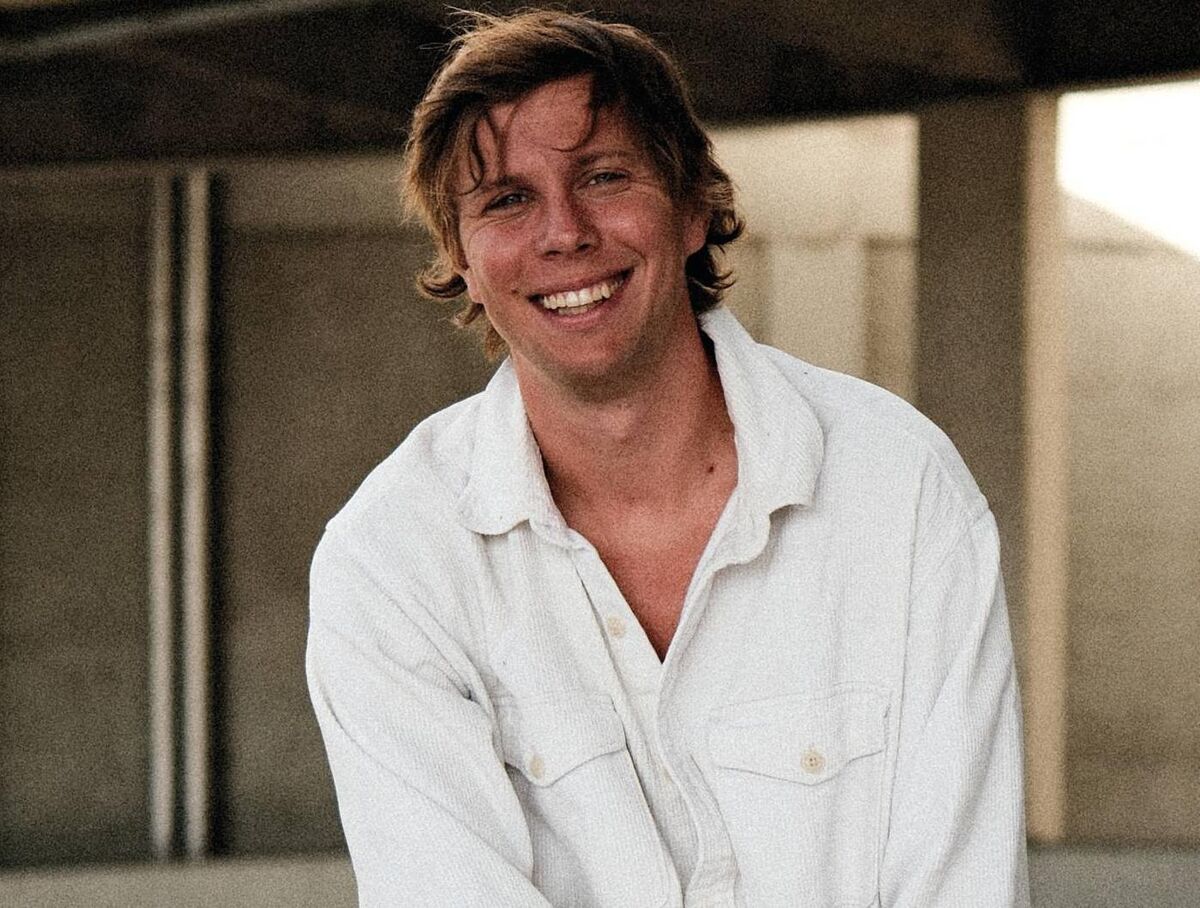
“I was the centre of attention. The first step was I needed them to get bored of me and get used to the camera. I had it in mind where I wanted to be a fly on the wall. I wanted to disappear, to become like a ghost, not exist in this environment.”
Changing his way of filming, he says, proved to be an important breakthrough. He learned where to subtly place the camera and let it become, as he puts it, like another child in the family.
“I wanted to have that proximity, that intimacy. I wanted to have the audience be a part of the film as well. It was important for me to meet them that way, in a very intimate way, because we usually meet Travellers through these folkloric, very clichéd documentaries, and I wanted to shine a different light on this community.”
Over the years Murphy spent with the family, he realised how they look out for each other and after each other. As the documentary progressed, this was something that was important to him to capture on screen.
“I thought that was absolutely incredible, and that really touched me. They created in their little cocoon an incredible ecosystem where Lisa, the mother, protects the family from society. She deals with all the calls with the lawyer, with the schools, etc. Pa protects the family from the outside world that can hurt them, and the children protect Pa.”
is Murphy’s second feature documentary, following a film he shot in Nepal called The filmmaker was born and raised in Paris by his Irish mother, and they would return to Ireland every chance they could take to visit family.
“In Paris, I was just with my mum, living in a small apartment. Every time I went back to Ireland to Dublin and Wexford, it was like this beautiful moment when suddenly I had 15,16 cousins, and I had a big field, and I had room to play around. I had the best memories in Ireland, and I still go whenever I can to see the family.”
Those memories also feed into his film, and the response it has been getting has been special both for him and the O’Reilly family, says Murphy.
“I’m very happy with the reactions because I’m getting messages from all over the world. The film has been travelling around, and I'm getting messages from Brazil, from Korea, from New Zealand. It’s beautiful to see people connecting with this story.
"I send the messages to Pa and Lisa. They can’t believe that first of all the film is actually travelling so much, and that we're getting that kind of response because they're like: ‘They’re not actually judging us. They're loving us for who we are’.”
- opens in cinemas on Friday, November 27

BLACK FRIDAY
Already a subscriber? Sign in