Phoebe Bridgers in Dublin review: A phone-free policy allows for a truly immersive experience
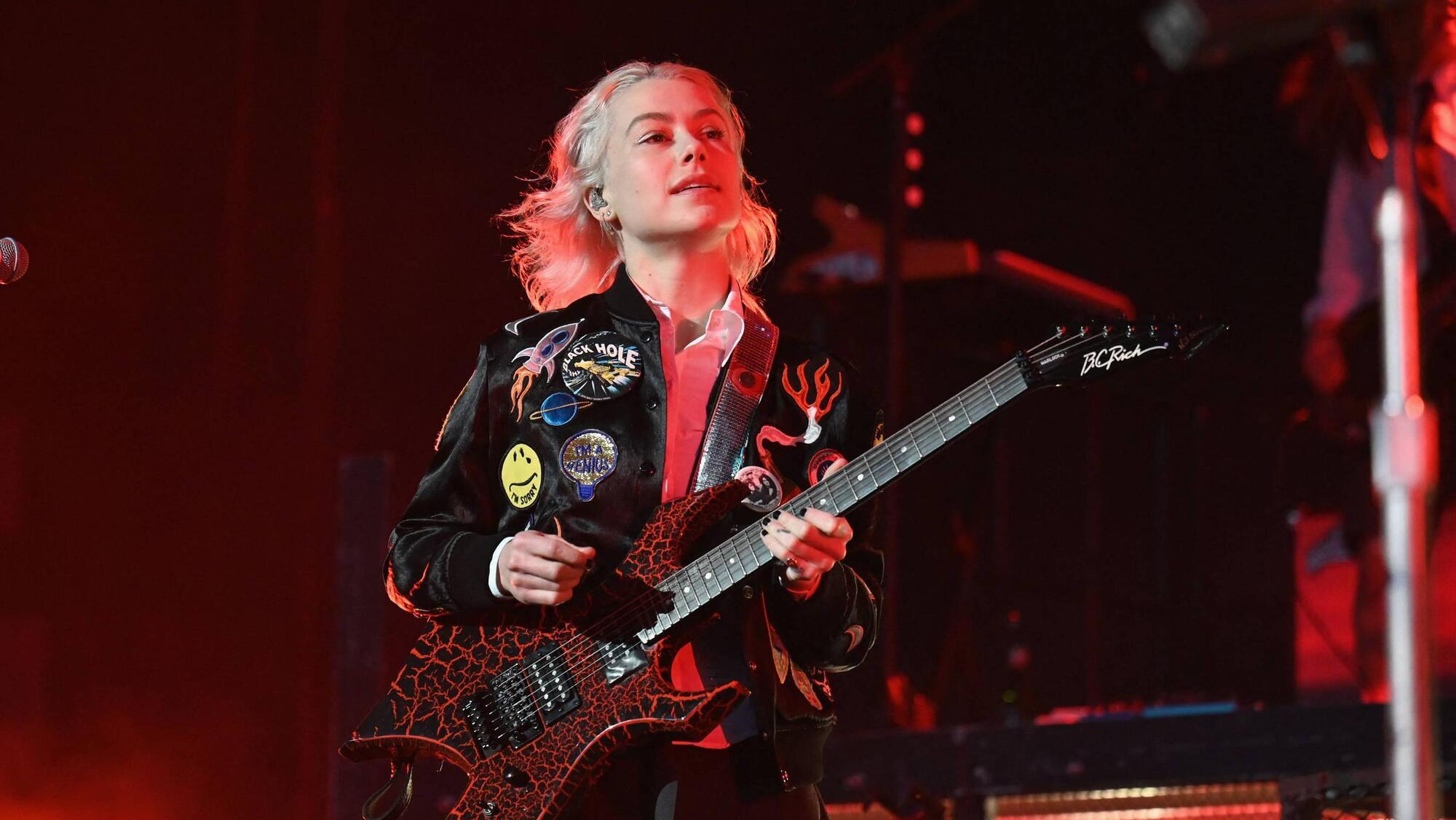
A file image of Phoebe Bridgers, who played two gigs at 3Arena in Dublin this week. (Photo by ANGELA WEISS / AFP)
★★★★★
The first magic moment of a gig often happens a few songs in. Here, it happens before Phoebe Bridgers has even taken to the stage. As the lights go down and a knowing roar rises from the crowd, there isn’t a single phone raised in the air. Everyone in the audience had to deposit their devices in a locked pouch on their way in to the gig.
Bridgers’ vocals, distorted through a vocoder, echo through the arena as a giant disco ball emits an eerie blue light.
A dome covering the main stage lifts. The singer and her band appear amidst a plume of smoke. Bridgers is dressed gothic-style, a long, ankle-length black gown, loafers. Her image is projected onto the stage's back curtains. There are no screens here - in the crowd or otherwise.
“I want to know,” she sings, throwing her head back, “what would happen, if I surrender to the sound.”
The house lights flicker on for a beat as she repeats the closing line of the spotlight widening to encompass the whole arena. It feels as though the light is instructing us. What might happen if we allowed ourselves to just surrender to the sound?
At 28, I’ve been attending gigs for close to two decades now, and this is the first time I can recall not being at least partially distracted by my own device, or those around me, during a show. It’s the first time my view isn’t blocked by them, my ears aren't forced to filter out performative scream-singing being recorded on them, my hand isn't reaching for one to capture The Moment for my own social media, ironically, in the process, somewhat ruining The Moment for myself and those around me.
Without phones, the sound of the crowd clapping, the wave of bodies jumping along to in the pit feels heightened. Nobody is worrying about dropping their phone, I guess.
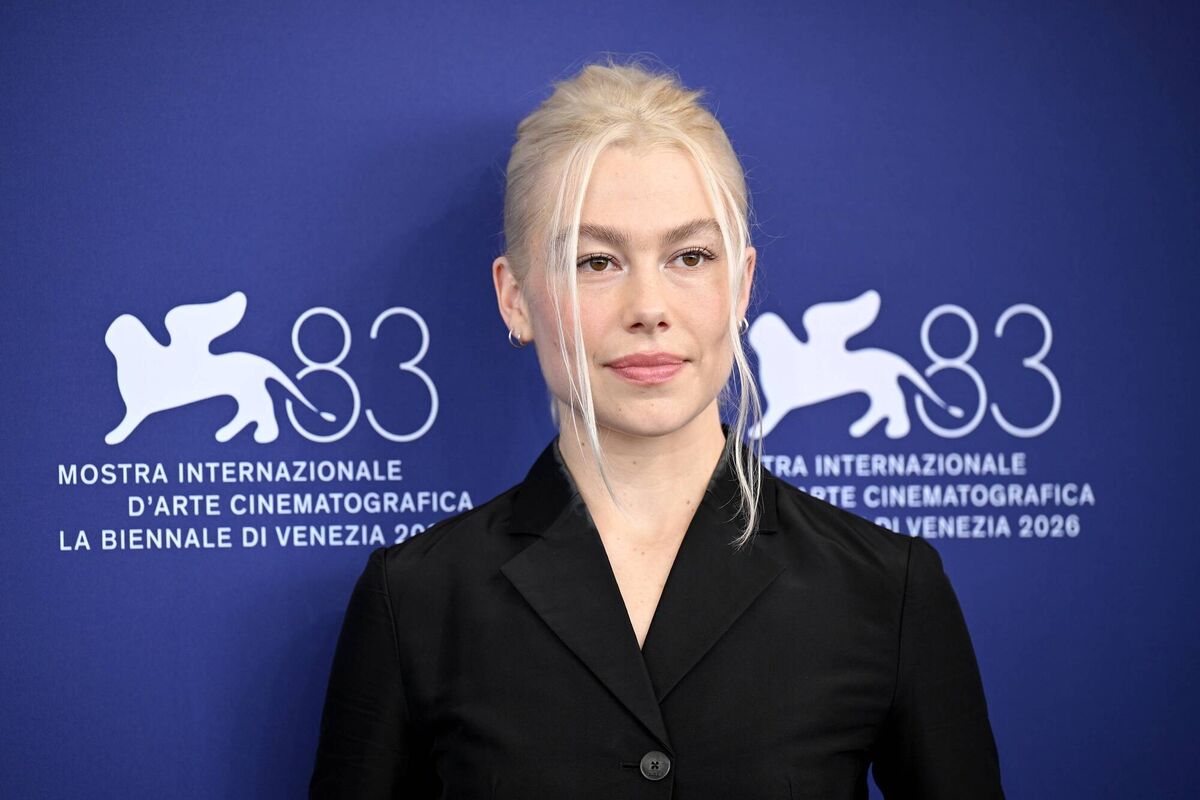
The singer-songwriter’s decision to enforce a no-phone policy on this tour is explained in a heartfelt speech before she performs a deeply personal navigation of the complex grief of losing an abusive parent.
The 32-year-old explained that she had become anxious about performing certain songs live. The absence of recording devices, which might otherwise disseminate everything she said or did on stage to thousands of people online every night, has helped.
“I don’t take it for granted you have sacrificed your device,” she said. “I know it’s annoying. I really appreciate it. This one is about my dad.”
A green spotlight shining from above illuminates her lonely figure in an otherwise pitch-black arena as she sings: “Sometimes, I want you back. But not today.” As the song reaches its conclusion, the arena is so quiet I swear I can hear the white noise of the smoke machines.
As follows, its thunderous sound rising and rising, glitter confetti falling from the rafters as the song reaches its high point and Bridgers seems to scream-cry into the void.
She makes her way back to the main stage through the crowd, reaching her hands out, her fans seeming to imbue her with their love and admiration as she goes.
From the depths of the ache of those tracks comes the unbridled joy of inspired by her current love, comedian and musician Bo Burnham. In a surprising choice, it is followed on Tuesday by a song Bridgers has previously cited as being about her former beau, Kildare actor Paul Mescal.
There was a time, of course, when it seemed Ireland might become a second home for Bridgers. Back in 2022, Mescal and Bridgers were reportedly in the process of buying a house in Schull, amid rumours they were engaged to be married.
“I’ve spent a lot of time here,” Bridgers acknowledges on stage on Tuesday. A pause – just a little too long – is punctured by an awkward laugh from the audience.
“...Yup!” she says, grinning.
It’s an offhand moment, one that, in an arena where phones and cameras were not locked away in pouches, almost certainly would have been filmed, clipped and shared thousands of times across social media.
It’s hard not to keep coming back to the phones. But, well, maybe our parents were right.
“I fucking hate my phone,” Bridgers remarks at one point, to a howl of assent from the crowd.
The show is spectacular. Bridgers is magnetic; the visuals are captivating. But some of that magic must surely be credited to the decision to go phone-free. Perhaps more artists should embrace the idea.

BLACK FRIDAY
Already a subscriber? Sign in