'My grandad was at my Everyman screening': Meet the new generation of filmmakers in Cork
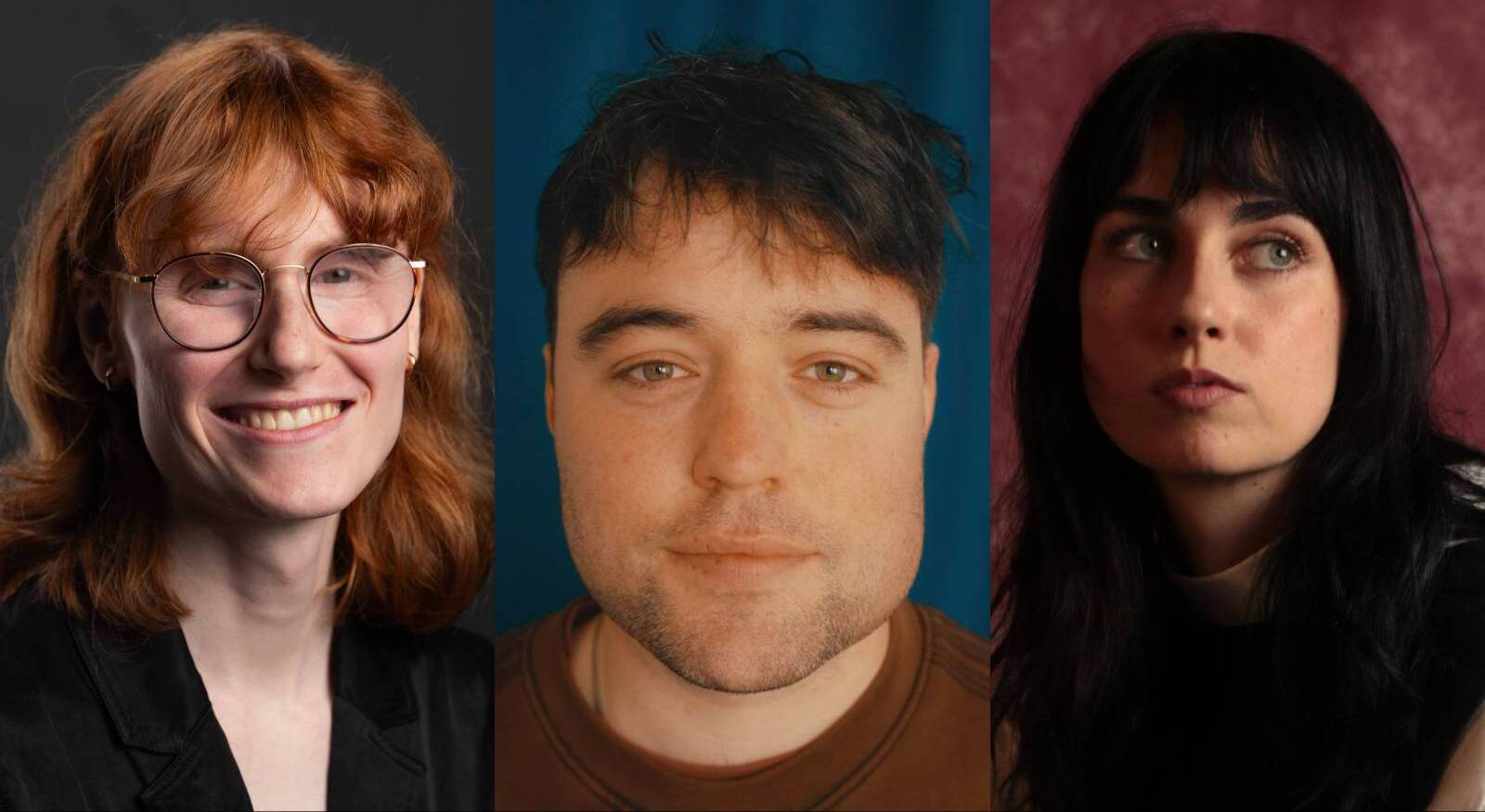
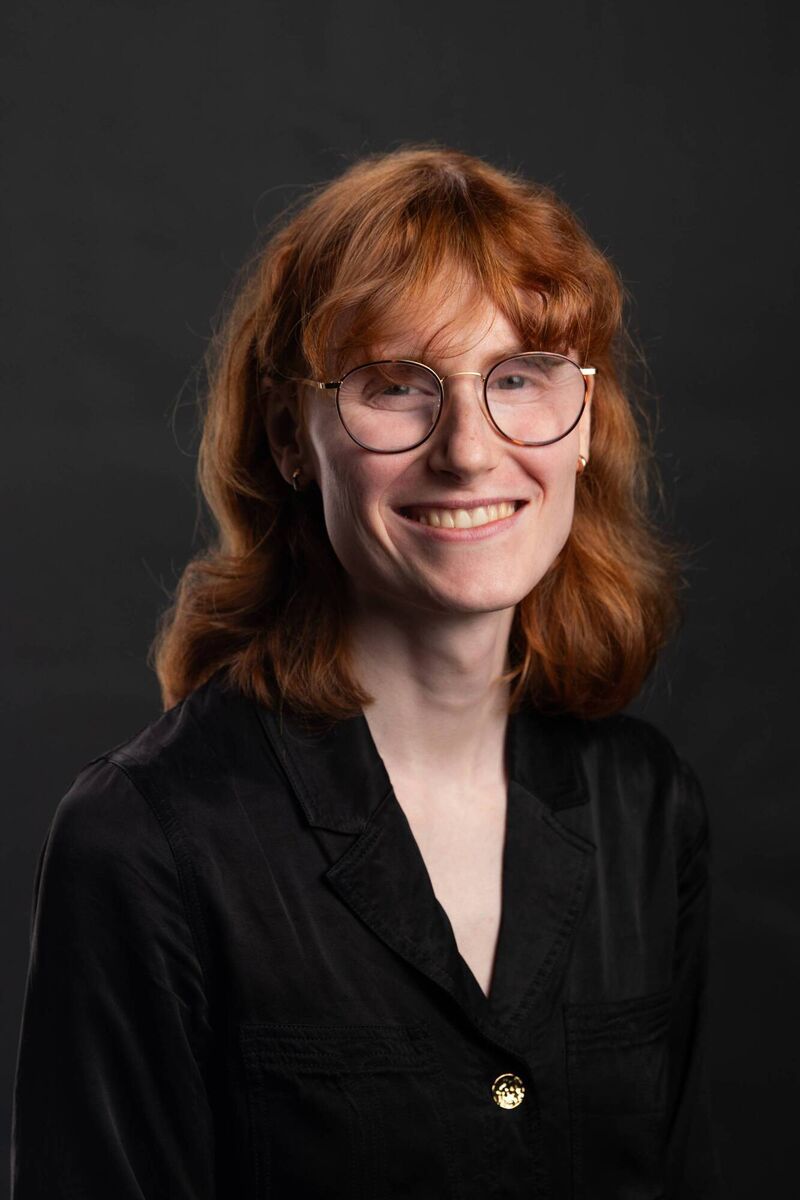
Liadán Roche, David Murphy, and Shannon Haly.
Director of (part of the Best Cork Short competition).
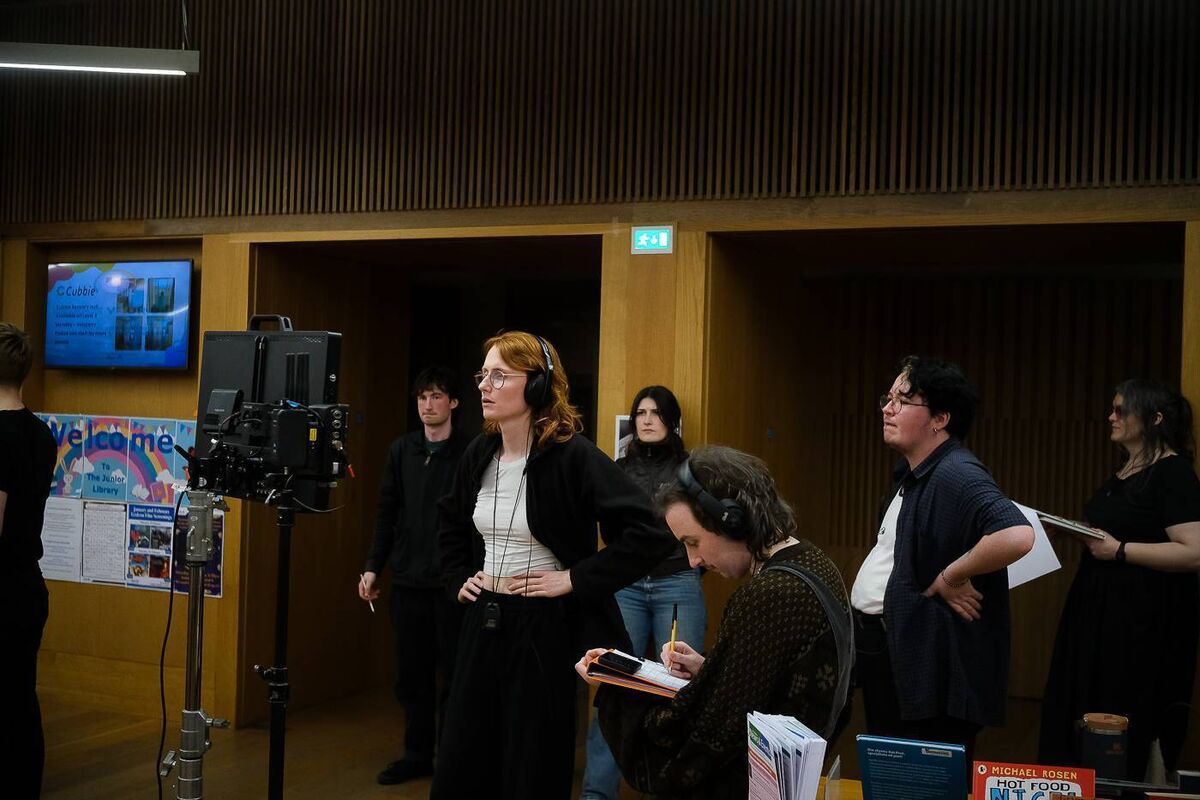
I grew up in Cork and went to secondary school in Bandon.
It was only when I got into college. It was through smart phone competitions that I got a taste for it. I had the opportunity to study screenwriting in London in the NFTS [National Film and Television School] and that’s when things started clicking into place in my mind.
A very close friend who I thought was super intellectual said I had to see . I remember watching that late at night and being transfixed at what a movie can be.
I primarily explore gender identity and sex. I gravitate to it because I feel like there is so much narrative potential there.
There’s been a real flourishing in the trans scene recently. by the M sisters captures online spaces in a way I’ve never seen. is another big one.
Especially in Ireland, the funding bodies can be quite conservative. When a funding body sees my ideas on paper they can shy away. It feels like the diversity of funding is becoming narrower too.
I grew up around the film festival so it feels like a full circle moment. After moving to Dublin and studying there, I came out as trans and that’s when I got into filmmaking, so bringing back a film like this is rewarding.
It’s a horror about trans romance and the housing crisis. Billy has been stuck at his childhood home perpetually and can’t seem to find a way out, and Grace is effectively homeless. We’re meeting them both at a time of great precarity but they’re still able to connect for a moment of intimacy in this shared space.
A lot has been written about how Gen Z is more sex-averse. I have seen in queer and trans spaces that sex in film can be embraced. My boyfriend James programmed and seeing the amount of passion for it, it changed my mind. I’ve seen that there is an audience for it.
I’m getting a short film off the ground about a young trans woman who has cut herself off from the outside world to fully transition. It’s going to be a body horror.
Director of (part of the World Premiere Shorts programme).
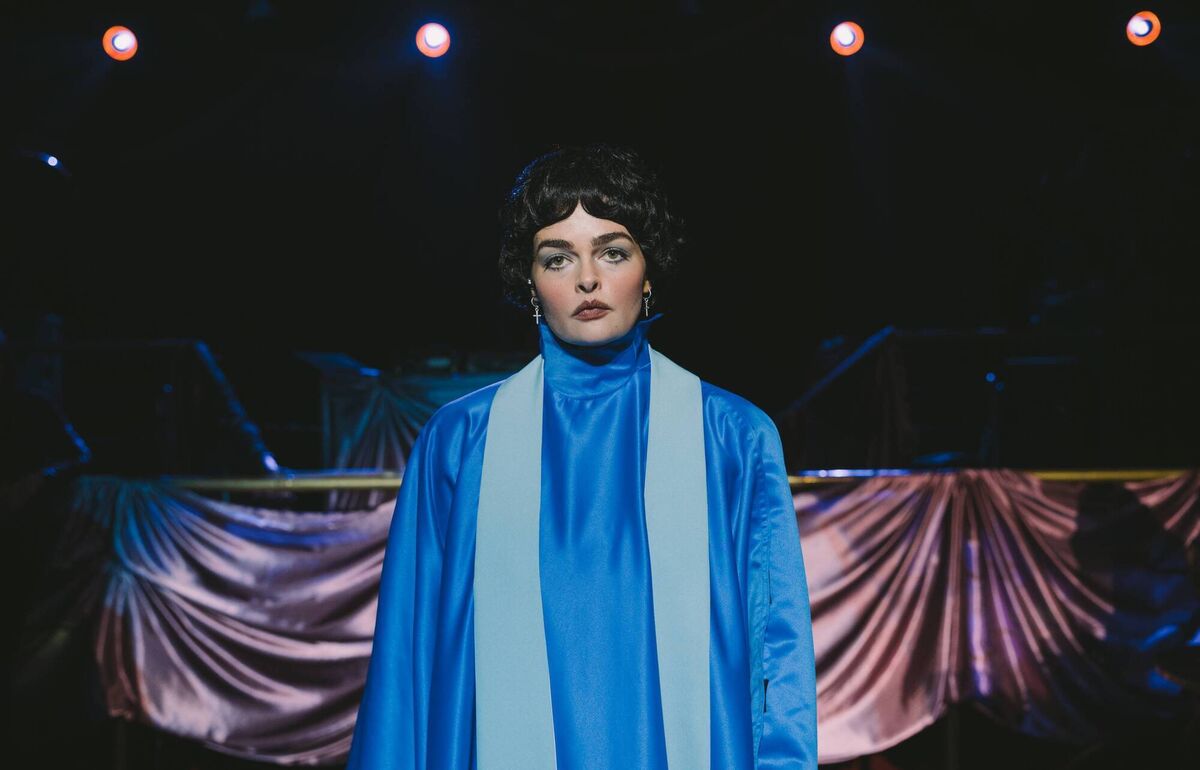
I’m from Kerry Pike in Cork but living in London at the moment.
I messaged Peter Foott and asked if I could be on the set and watch what he does. From there, I started getting assistant director jobs. Then I went to New York to study at the Stella Adler School of Acting, but covid happened so I dropped out. That’s when my sister Megan and I started writing together.
We’ve done short films and and wrote together during covid. Our roles will depend on the project and what feels right. I love working together.
We’ve both been doing this long enough to know it’s hard. It’s amazing to have somebody who fully understands that feeling.
I saw in the Opera House when I was 12 and I remember everyone around me crying. I kept thinking it is insane how you can create this work of art that brings people together for a universal experience.
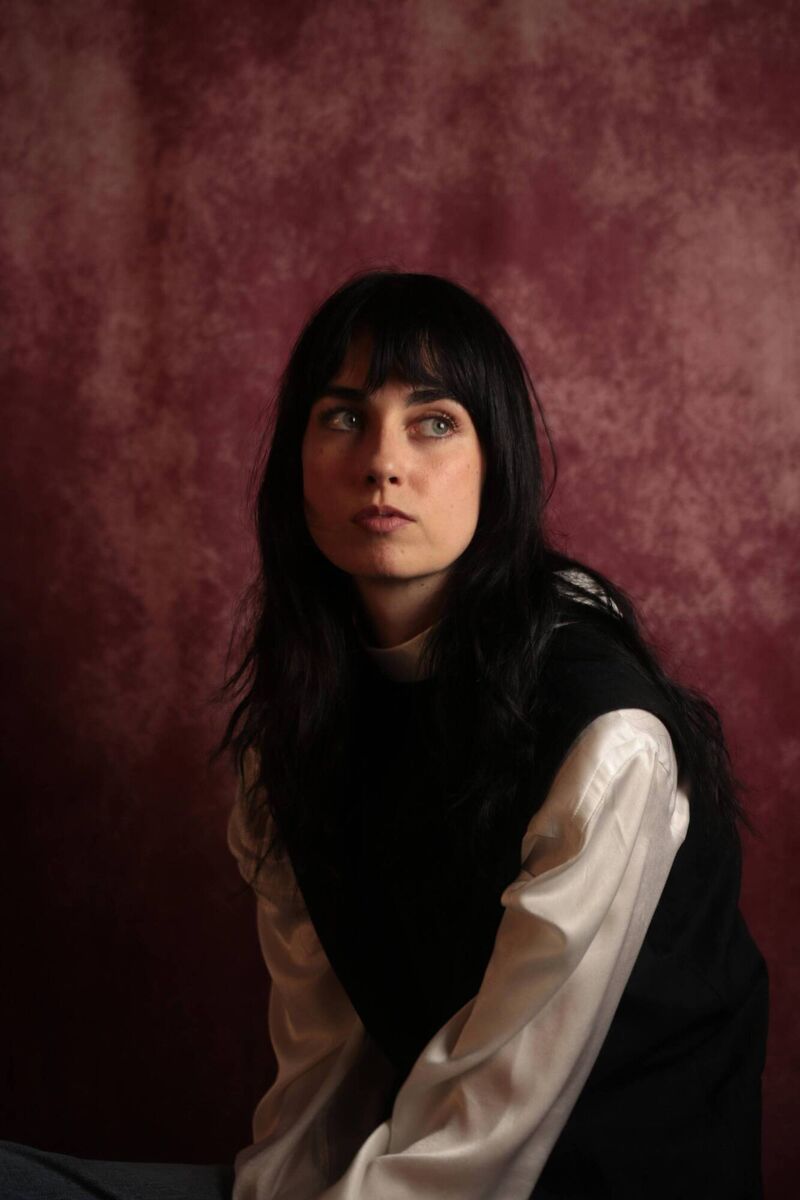
I really love Sean Baker’s work. Olga Sokal, a Polish photographer. Her work is extraordinary too and directing-wise it inspires me a lot.
In 2024, my film was screened at the Everyman where I grew up going to plays. My grandad, who introduced us to theatre, was there and it was so special.
I want people who aren’t comfortable in their sexuality to watch and understand that coming out can be a positive experience. The film is about a comfortably queer woman who finds her grandmother at a queer club. The conversation that they have is safe and gentle.
In Ireland, we are so lucky for the funding opportunities that we have. It’s so much harder to get things made in the US, for example. At home, at least we have the potential to get help.
We are working on our second play with Des Kennedy at the Everyman at the moment and we are trying to get made into a show.
Director of documentary .
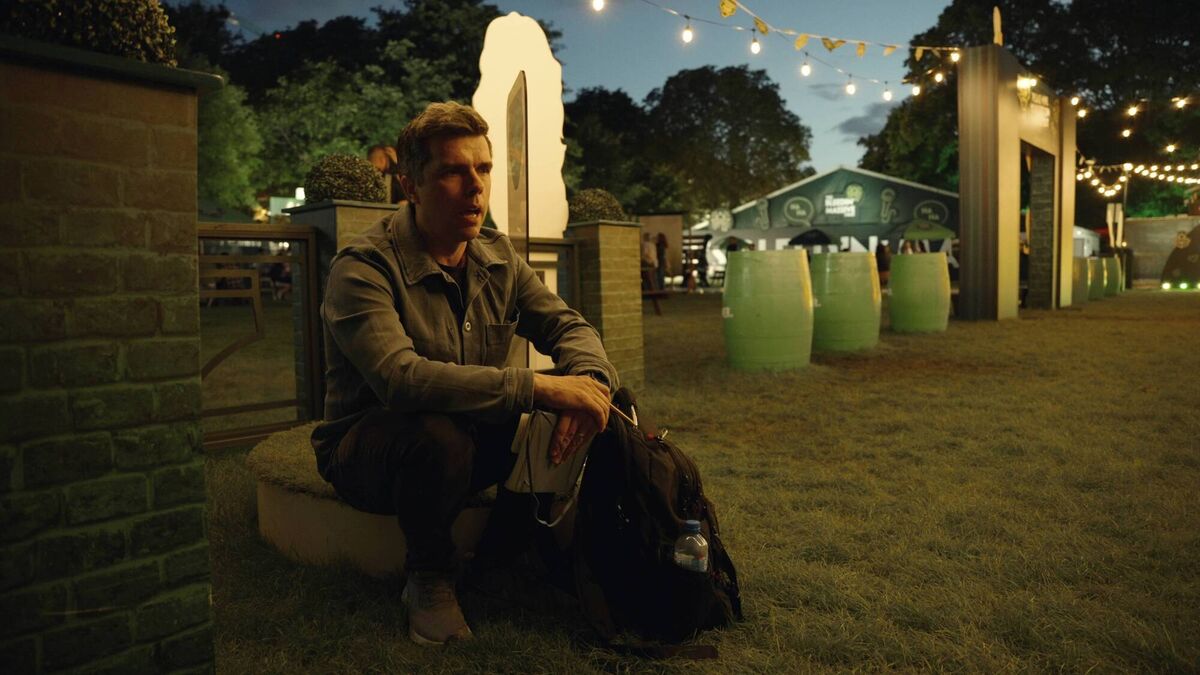
I’m from Tralee but I came to study in UCC where we would make comedy sketches and short films together. I cut my teeth in comedy sketches and that caught the eye of Bernard Casey and through that I got to know other comedians.
I filmed some behind-the-scenes stuff with Chris’ support act Cornelius O’Sullivan, who recommended me to him. It was a bit of a gamble from his perspective because I hadn’t made a project on this scale before.
Steve Coogan, Nathan Fielder and Bill Hader. They are unique voices in comedy who seem to be able to go further than just comedy. I love which really blurs the line between fiction and non-fiction. That excites me a lot, the idea of being able to manipulate reality.
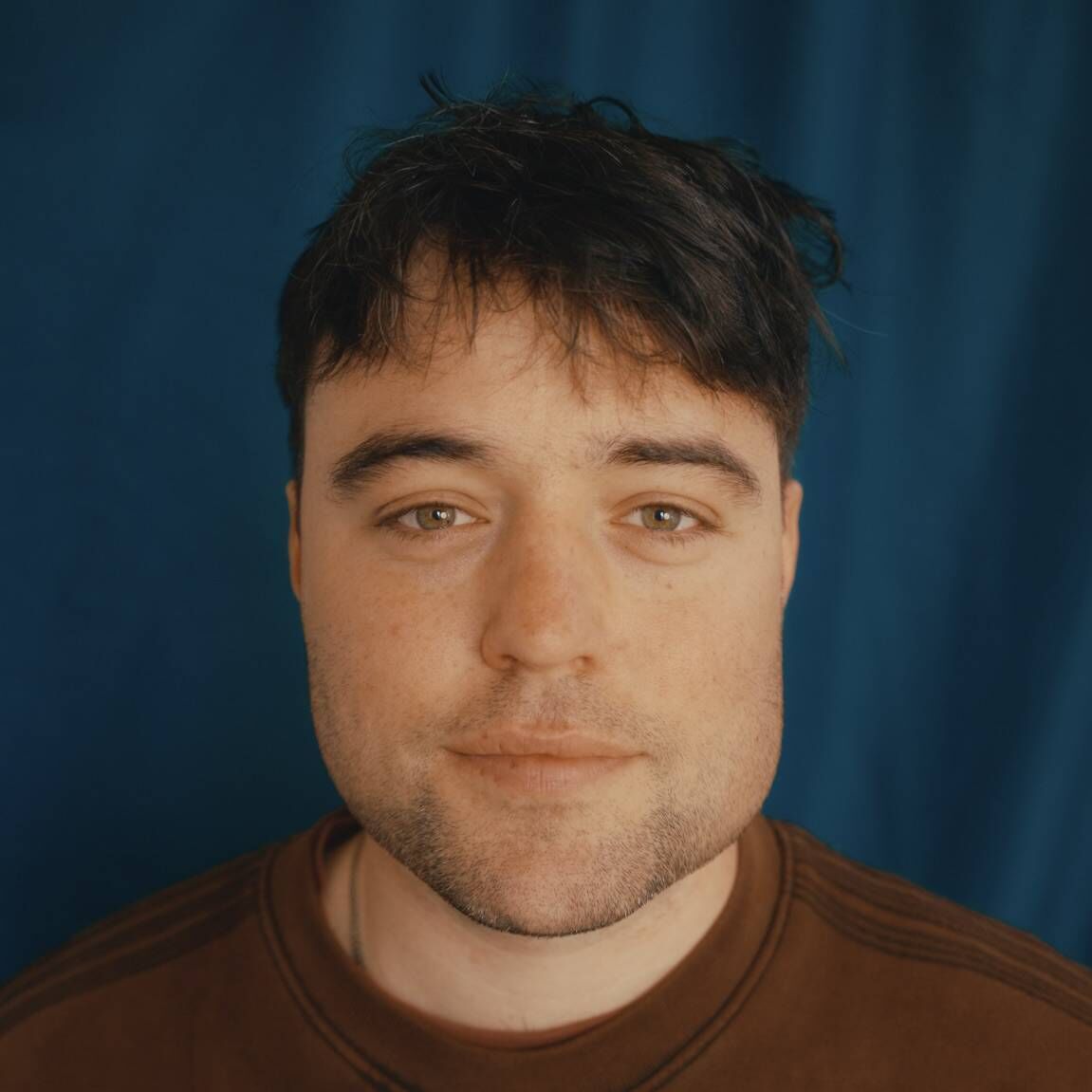
Being able to show a side to someone that not everyone gets to see. In the context of a standup comedian, what someone sees is the act. What they don’t see is the work that goes into it. It’s not revealing the secrets behind the card trick. I don’t think it takes anything away from someone’s enjoyment. I think it enhances it.
Chris feels like he has nothing to hide. He was happy to film everything. I got to be in his house and see how he juggles career and fatherhood. It’s a raw glimpse into his life.
If someone is experiencing any minor stress, that is when they turn to that instant gratification. It allows us to not deal with our problems appropriately. I’ve tried introducing that into my own life, dealing with things head on.
I’d like to take what I learned from this experience and make some short-form content again.
Read More