Author interview: Connecting with readers on the page remains important to Niall Williams
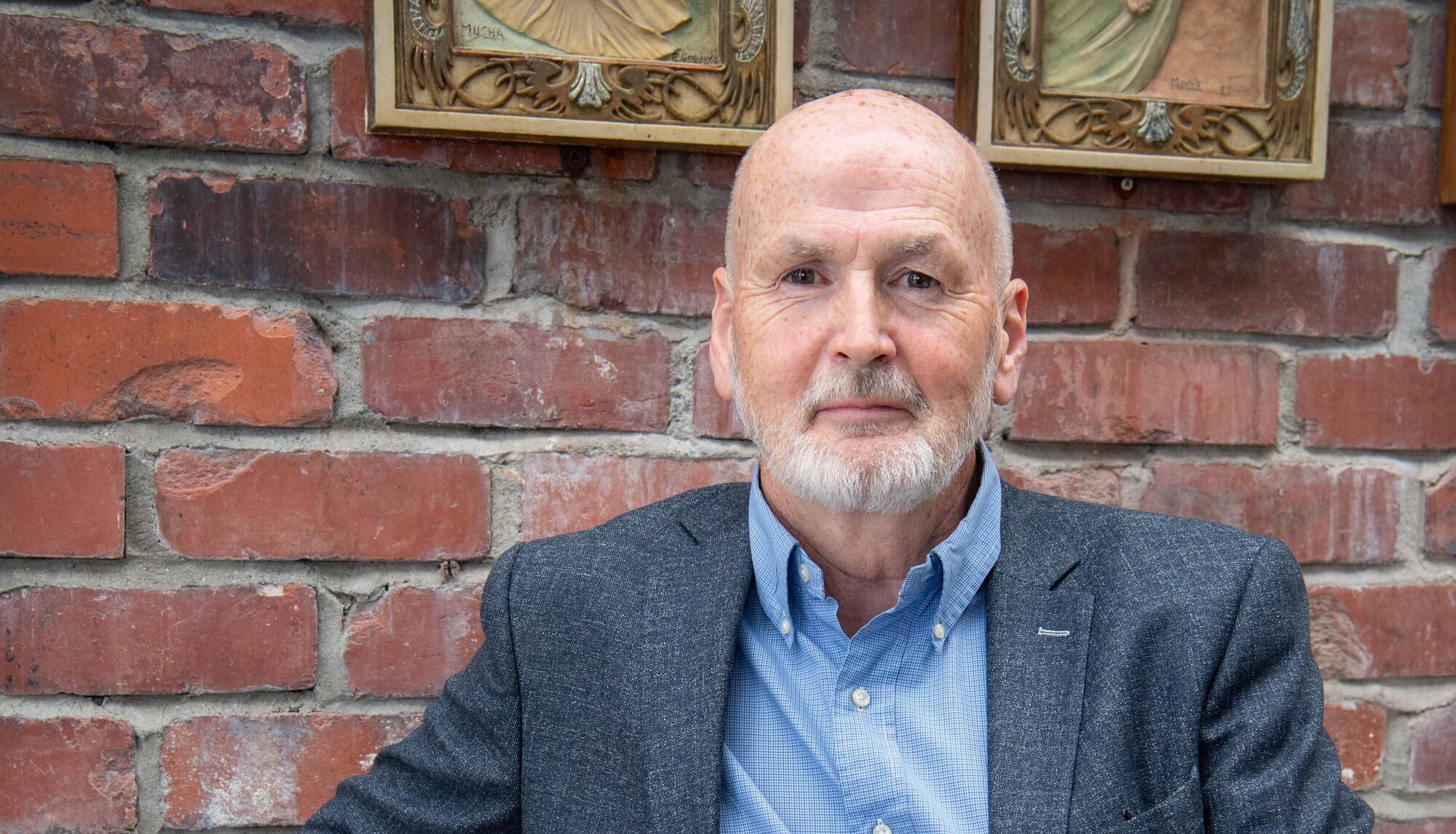
Niall Williams acknowledges that a certain amount of courage is needed to write ‘out of love and about love’ during these ‘fraught’ times. He is also wary of falling into the trap of sentimentality or nostalgia. File picture: Domnick Walsh/Eye Focus Ltd
- O Now!
- Niall Williams
- Bloomsbury, €9.99
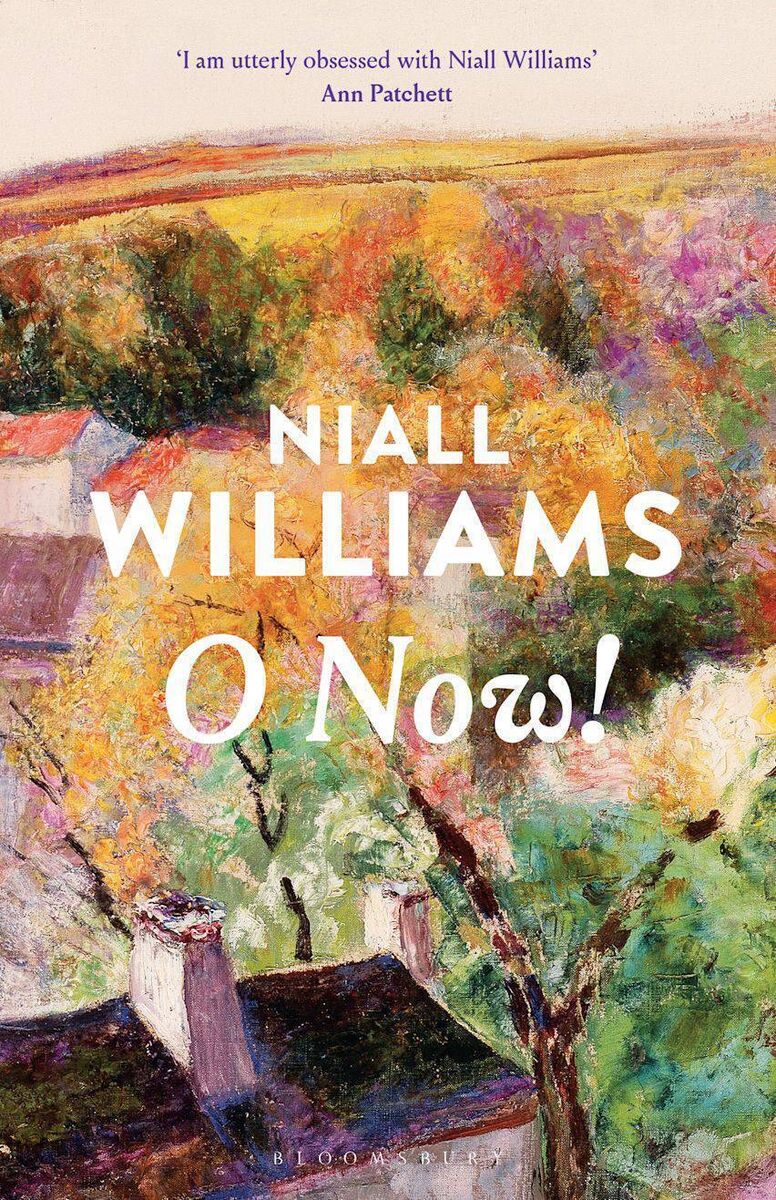
It’s clear Niall Williams would prefer his work to speak for itself; in an enlightening essay accompanying his latest book, , the writer declares himself “generally allergic to personal attention”.
However, in conversation, as in his writing, his words are thoughtful and well-considered, underpinned with a quiet emotional power.
“When I was 13 and 14, going to the library, reading Dickens and so on, I didn’t really want to know anything about the life of the writer,” he says.
“I met David Copperfield — he was more important than Charles Dickens and had more life for me. For me, the writer is a temporary thing and will be buried and gone but the book won’t.
“Therefore my hope is that you know more about the book than you know about the writer.”
Read More
“It was a very different experience, because it had a short format that had to be met with exact timing for the BBC.
“When I am working on a novel, I have no idea what the story is and I am just writing one sentence after another and trying to figure out my way.
“But in this case, I knew it was going to be aired over Halloween and the first week of November and I decided I was going to set the story then.
“I had wanted to get back to the character of Ganga, to give him a good send-off as it were.”
“It is understood between them without saying — they have passed beyond the need for language, or wouldn’t have the language for that emotional register,” says Williams.
“But they have understood that their co-existence in this landscape is a kind of love and that love first comes through companionship, jut being there.”
“It is that kind of community with a small ‘c’, nothing dramatic or organised but it is there. If you had a problem and you went down to the village somebody would be there to help you,” he says.
“That still endures. To some extent, the relationship between Bat and Ganga is a reflection of that.”
“I am always trying to navigate that, primarily by concentrating on the minute and physical. These lives are hard. They are poor and the poverty is not to be ignored, it is real.
“They are lonely, there is melancholy, grief, suffering, hardship. All of those things are present.
“At the same time there is this other thing, this love between the two men, which is coming from that companionship.”
“It is not helpful. The writer is only in competition with themselves. It doesn’t matter to me what anyone else is doing really or what the current taste is.
“You realise that you should be able to write something better because you’ve lived longer, you’ve loved more, you’ve suffered more, you’ve experienced more of the world, therefore you should be able to produce better writing than you did ten years ago because your experience of life has deepened.”
“It is a testament to the novel, that people know that it is fiction and they still feel these people are alive, this place is alive, so much so that they want to go there.
“That is wonderful proof that fiction is not dead and that people still want to give some portion of their inner self to a story when they are reading it.
“To some extent there is a universal truth in all small places where people are together, because people are people.”