7 Up series bows out at 70: Final episode of the groundbreaking TV show
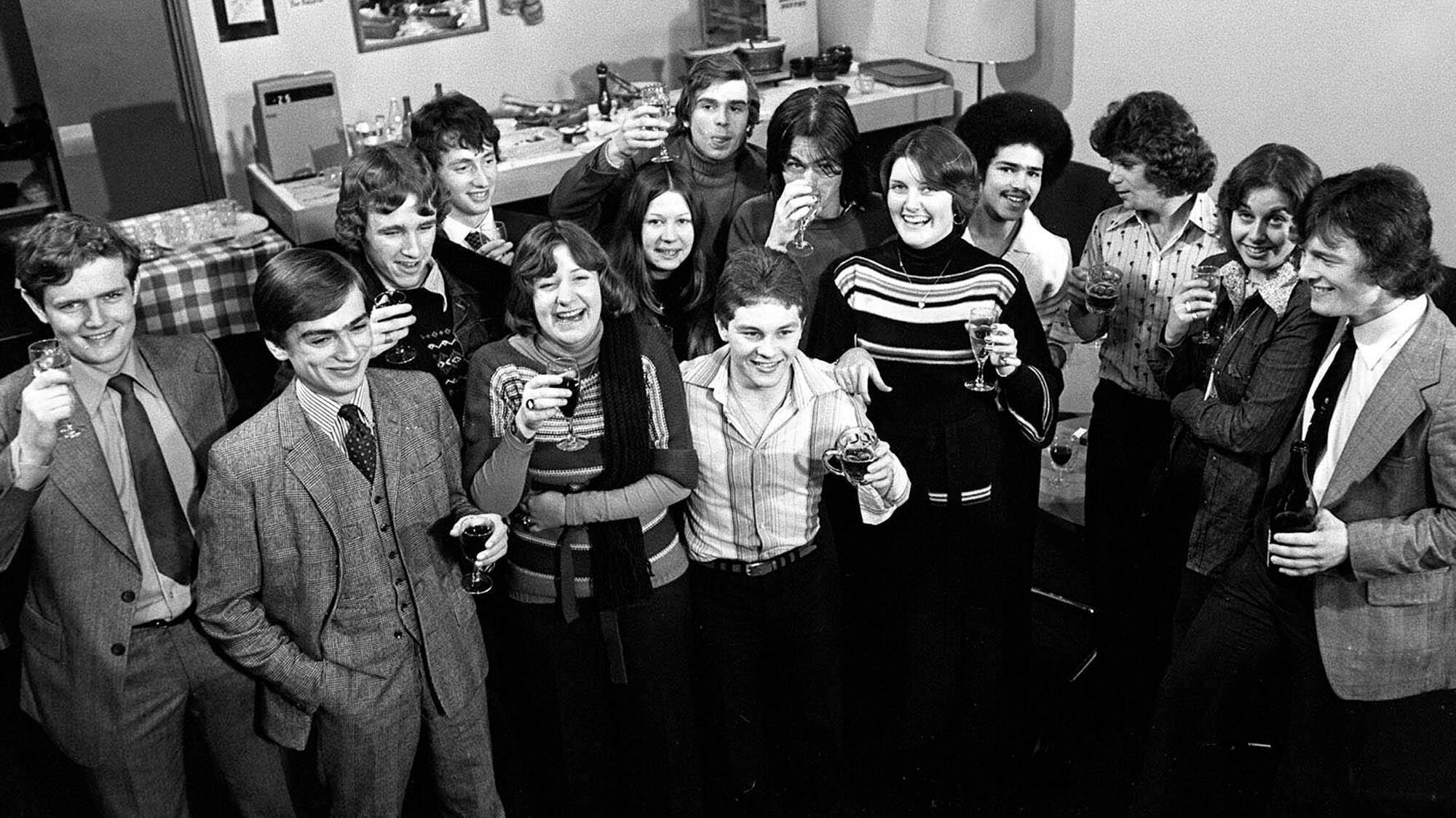
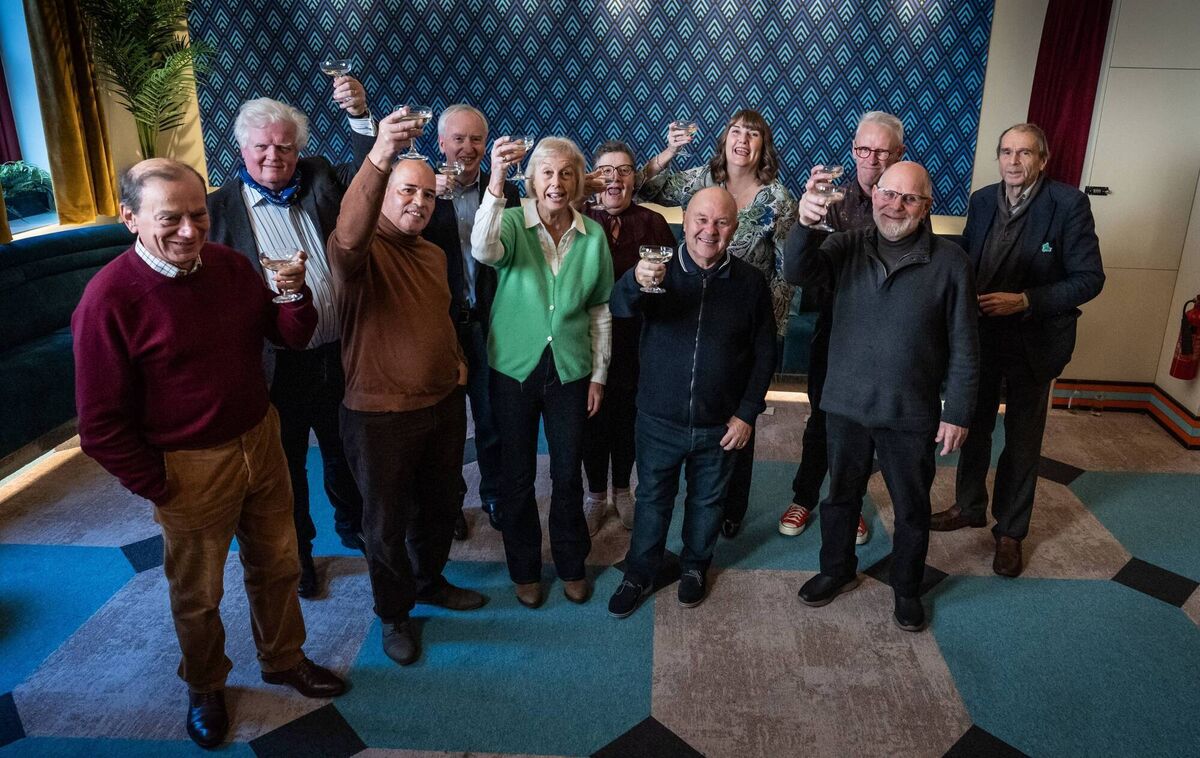
The participants of the 7 Up series in 1978 when they were 21. (l-r) Bruce Andrew Peter John Jackie Lynn; (back) Neil front Tony Charles Sue Symon Paul Suzy and Nick.
Described as the Bayeux tapestry of television, the groundbreaking ITV documentary series is coming to its final conclusion. In 1964, a group of randomly chosen British seven-year-olds from different backgrounds were brought together and filmed in an attempt to answer questions about the effect of fate, class and environment on people’s aspirations and outcomes.
Designed to test the Jesuit maxim of “Give me the child until he is seven and I will show you the man”, it began as a one-off World in Action film for the regional ITV company Granada. But the producers then returned to the children every seven years, charting their progress and creating a snapshot of Britain’s social history.
Viewers’ own lives, loves and losses have been reflected in the experiences of the contributors, such as Neil Hughes – the bright Liverpudlian schoolboy who dreamed of attending Oxford University but became homeless and then a local councillor – and Jackie Bassett, the straight-talking Londoner who was ahead of her time in challenging conventional norms.
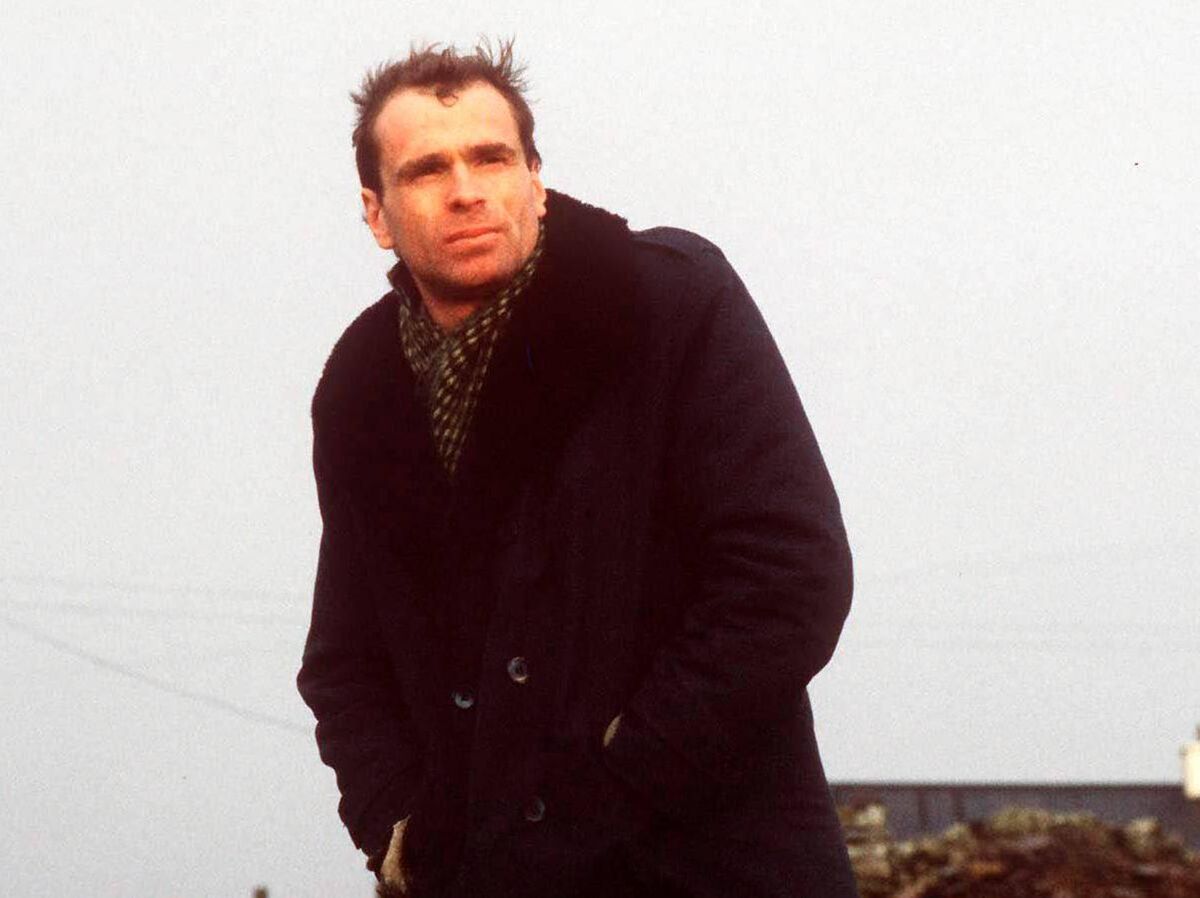
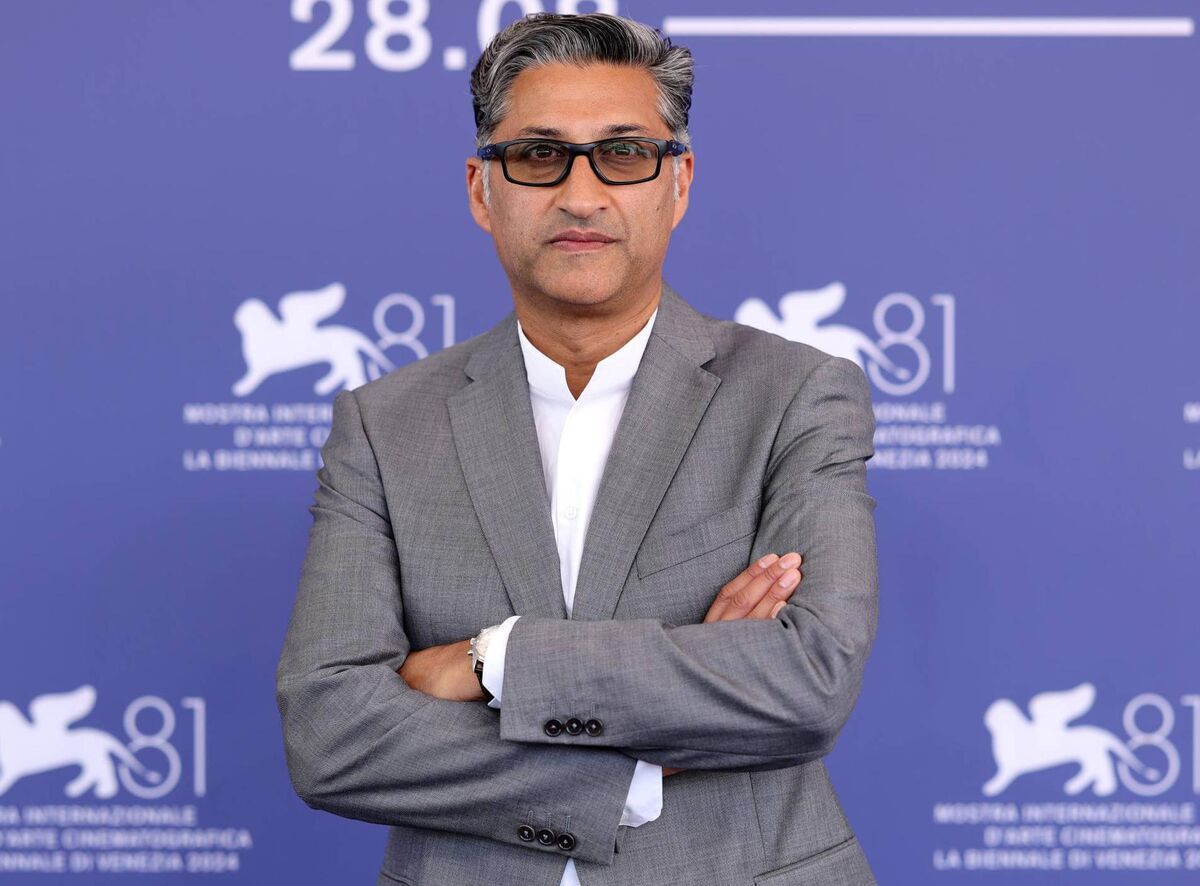
Now the series is bowing out with which has noticeable differences from previous iterations. The Oscar-winning director Asif Kapadia has taken over from his long-running predecessor Michael Apted, who died in 2021. Many thought Apted’s death meant the end of but the producer Claire Lewis – the custodian of the brand since – got a call from one of the group, Nick Hitchon, who had terminal cancer and wanted to record a final interview.
Hitchon died hours after Lewis recorded his thoughts, which she said was heartbreaking, so “we all decided that we should make another film and [began] looking for a director”.
Knowing the concluding series needed someone skilled in archive and interviewing, she tracked down Kapadia – maker of films about Ayrton Senna, Diego Maradona and Amy Winehouse – and discovered he was a fan of the series and that Apted had met and admired him.
With Kapadia secured, Lewis then had to persuade the contributors to take part one last time.
Kapadia’s involvement helped convince Hughes to do , “because I knew this was going to be a fresh start, a very different sort of enterprise”. It was also “a chance to meet some of the other participants, probably for the last time,” he said.
But he also reveals he feels that the portrayals of the struggles he has faced mean “I constantly try to clean up my image”. Hughes thinks Apted was very professional but “knew what he wanted”.
“Michael was selectively using the material he had. Now I don’t criticise that; that is within the gift of a director.” But Hughes “relished the chance to say to people, ‘Well, I’m not quite maybe what you think I am’.
“With the greatest respect to viewers of the show … they didn’t see the real me. There’s a me here who Michael never discovered.” Now living in France, Hughes does not watch TV, not even the series. He says it is “partly a self-defence mechanism” but also that “I’m very sensitive to screens. I don’t have a mobile phone”.
Hughes has spoken before on screen about his struggles with depression and says in : “If somebody has a mental health problem, it doesn’t mean they are odd. It doesn’t mean they have chosen to be weird or antisocial … It’s not something they chose. It’s what they are.
“I’m as happy as I could be given my life … I’m still quite lonely at times, but this is a common characteristic of our age.”
Asked if he thinks his life might have been different if there had been more understanding of neurodiversity when he was younger.“Yes, I think so,” he said. Because now “it is about recognising people’s individuality”.
There have been “pluses and minuses” to being in the series, he said, and he wonders existentially if television’s artifice means taking part has influenced the outcome of contributors’ lives.
Overall he thinks he has benefited – notably his friendships with Lewis and fellow participant Bruce Balden. As is common in TV, the participants also were paid so “because my life’s been a struggle to keep afloat financially … the little contributions from Granada have helped from time to time”.
Duty of care to contributors has been paramount for Lewis. She says it was important to ensure she didn’t influence them at the “same time as having a relationship that was honest and trusting”.
For the 1964 film, “all the parents were talked to” about their children being involved, she said. “But not in the same way that they would be today”. Plus “it was completely innovative” and nobody knew it would run for so long.
As British TV’s first social experiment, it paved the way for reality shows such as Big Brother and the rise of content creators.
Kapadia it is a one-off and the “most beautiful thing I’ve ever made”.
“A lot of people have copied it and been inspired by it. But none of them will ever do this ever again,” he told the recent Edinburgh TV festival.
Born to Indian Muslim parents, Kapadia thinks it is “impossible not to watch it to think about your own life, your own parents, your relationships, your kids … it’s about them, but it’s about us and there’s nothing else like it”.
The stories of the 14 individuals and Apted may have a new lease of life, as Lewis reveals: “What I would like to do now, because we have the material, is to make hour-long films about each person.”
- airs at 9pm on Tuesday, Sept 15 September on ITV1 and UTV