Author interview: Scary extent of how algorithms are now dominating our lives
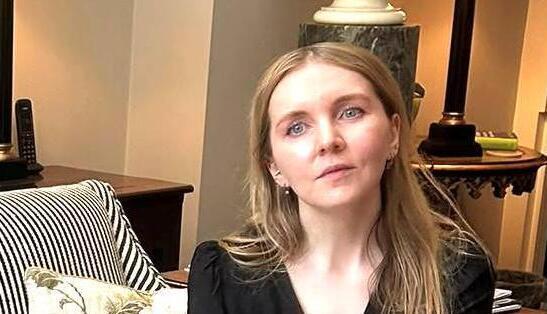
Róisín Kiberd: ‘Sometimes, when we communicate one thing with how we look, we’re actually communicating something entirely different. And I think most of the time, we’re communicating fear.’
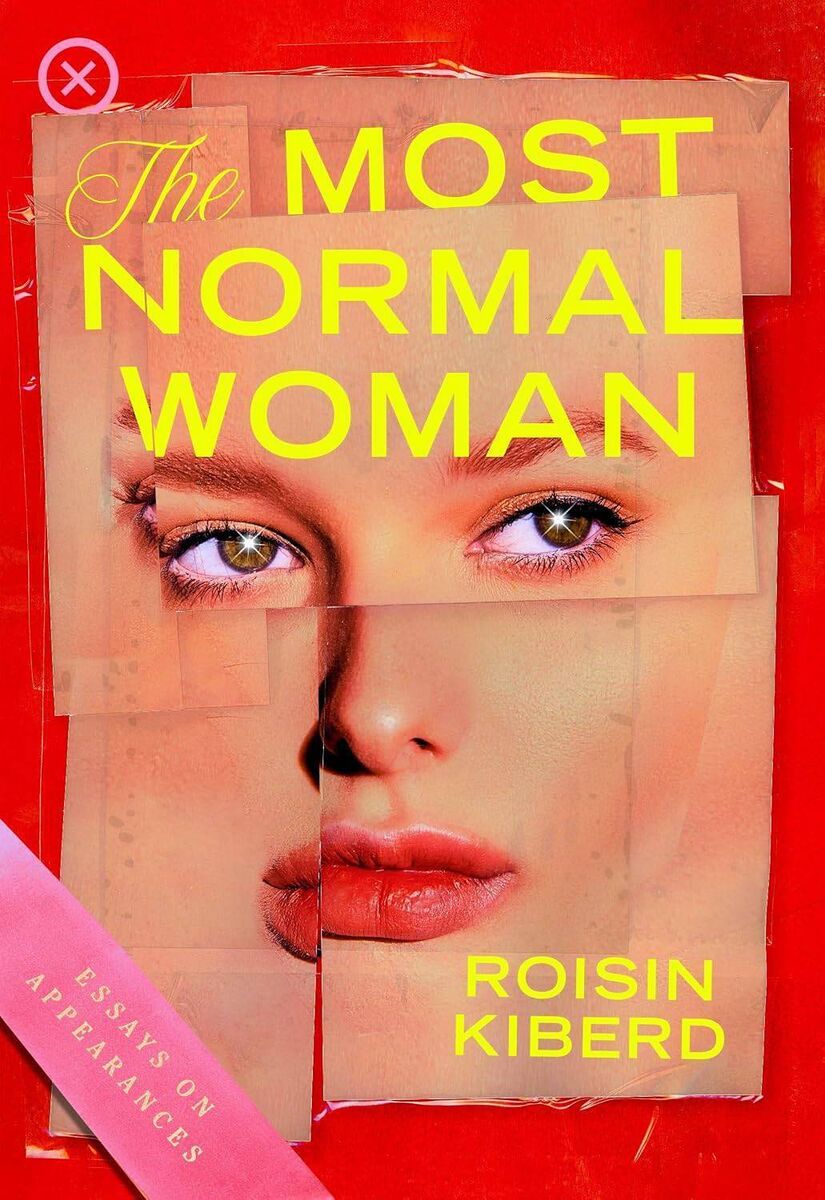
- The Most Normal Woman
- Róisín Kiberd
- Tramp Press, €16.00
Róisín Kiberd’s first book, , was a fascinating and incisive collection of essays exploring our online lives, covering everything from the cult of energy drinks to midnight gym workouts.
Read More
“At surface level, this book looks like it’s about something much more shallow and trivial, yet I don’t think it’s all that different to tech.
“It can get extremely dystopian very quickly, and yet in a way it’s much older as a subject than that of . It’s around as long as civilisation.”
“I think all of the deeper things, the humanity, the subconscious, they’re all still in the mix.
“Sometimes, when we communicate one thing with how we look, we’re actually communicating something entirely different.
“And I think most of the time, we’re communicating fear. We’re always losing time, and that’s what the beauty industry preys on.”
“I couldn’t even tell you, do I really want something, or has it just been implanted in my head by the culture?
“The great mistake made by a lot of the internet feminism in the last 10 years was to claim that something was feminist just because a woman chose to do it.
“I don’t write from a place of certainty. If I see murky areas and ambiguities and ambivalence, that’s my cue to write about something.
“I can’t really write about something if it’s certain or fixed because where do you go from there?”
“The legacy of that image, for better or worse, really endured for a long time, and it became this big craze. And then, like any craze, it had to fall away. But it is still looming over this genre.
“I encounter people in workshops, in my classes, who think that they only should write about the worst thing that’s ever happened to them, that this whole form of writing only exists as a vessel for trauma.
“Yes, you can do really good writing on that, but one, take care of yourself, and two, it doesn’t have to be that at all.
“You can write about something that is only a weird, light, inkling that might actually be better material because then you can work it out on the page with the reader.”
“Yes and no. It was interesting and complicated in its way, although it didn’t feel complicated to write at all. Rob was the first person who read it, and I was really nervous.
“At the same time, we’ve been in a relationship for so many years, we’ve appeared in each other’s writing, we’ve also appeared in other people’s writing, and other people have appeared in our writing.
“So I felt like that gave me permission in some way, and knowing that Rob was writing about this exact subject himself. It wasn’t some great outing or me attacking him in print. I wanted to write from a place of love.”
“I have a theory that you can sense dishonesty on the page, and some stories benefit from the personal.
“You have this whole field of really interesting writers out there like Leslie Jamieson, Emmanuel Carrère, and Mark O’Connell in Ireland — [about the murders committed by Malcolm Macarthur in 1982] is a mind-blowing book, and it would not be the same were it not for his personal involvement.
“You don’t have to bring yourself to everything, it’s not a rule, but I also think some stories benefit and are told best when you put a little bit of yourself on the line.”