Book Review: An argument about social media in Yomi Adegoke's The List
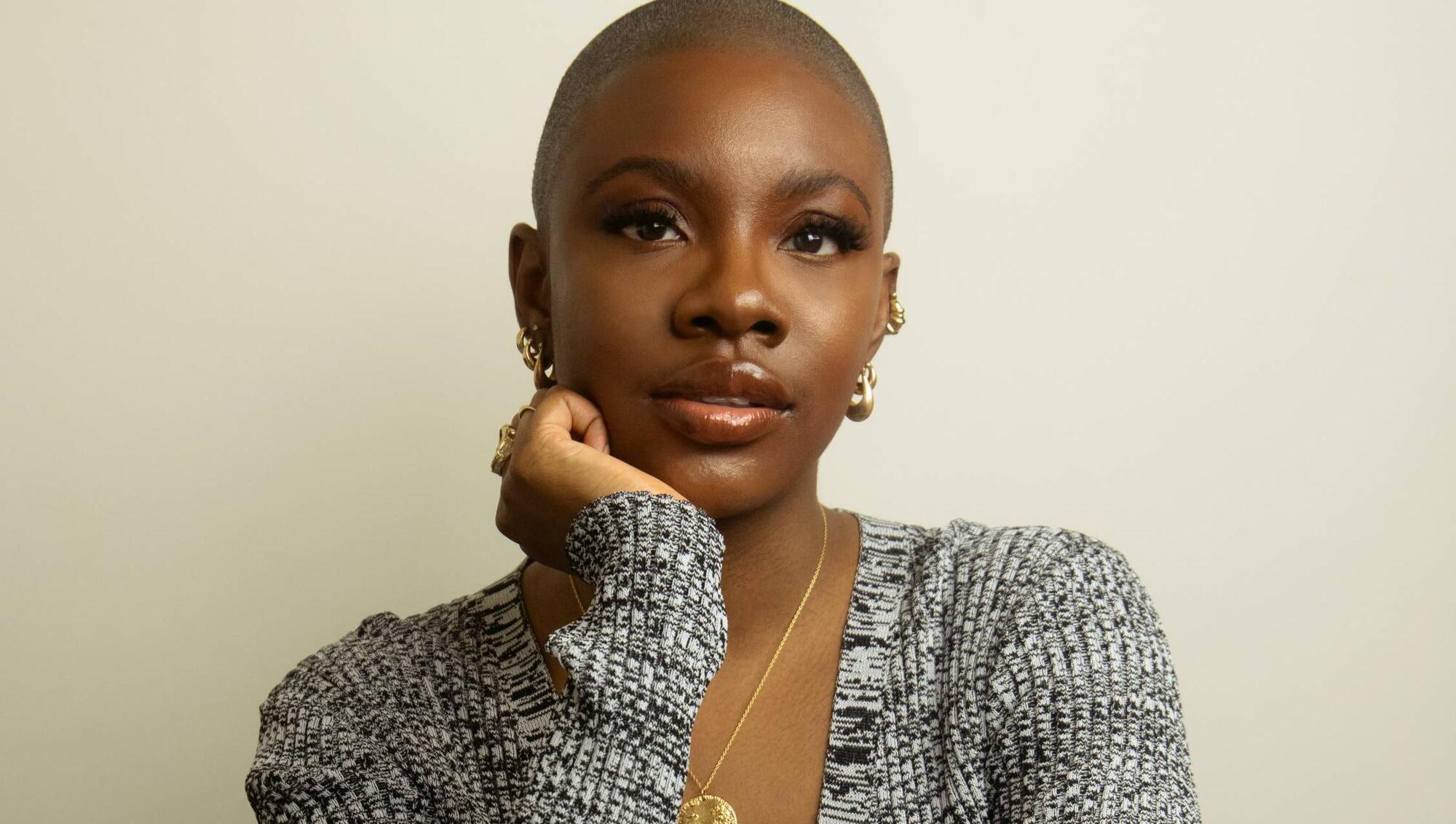
Yomi Adegoke. Picture: Mollana Burke
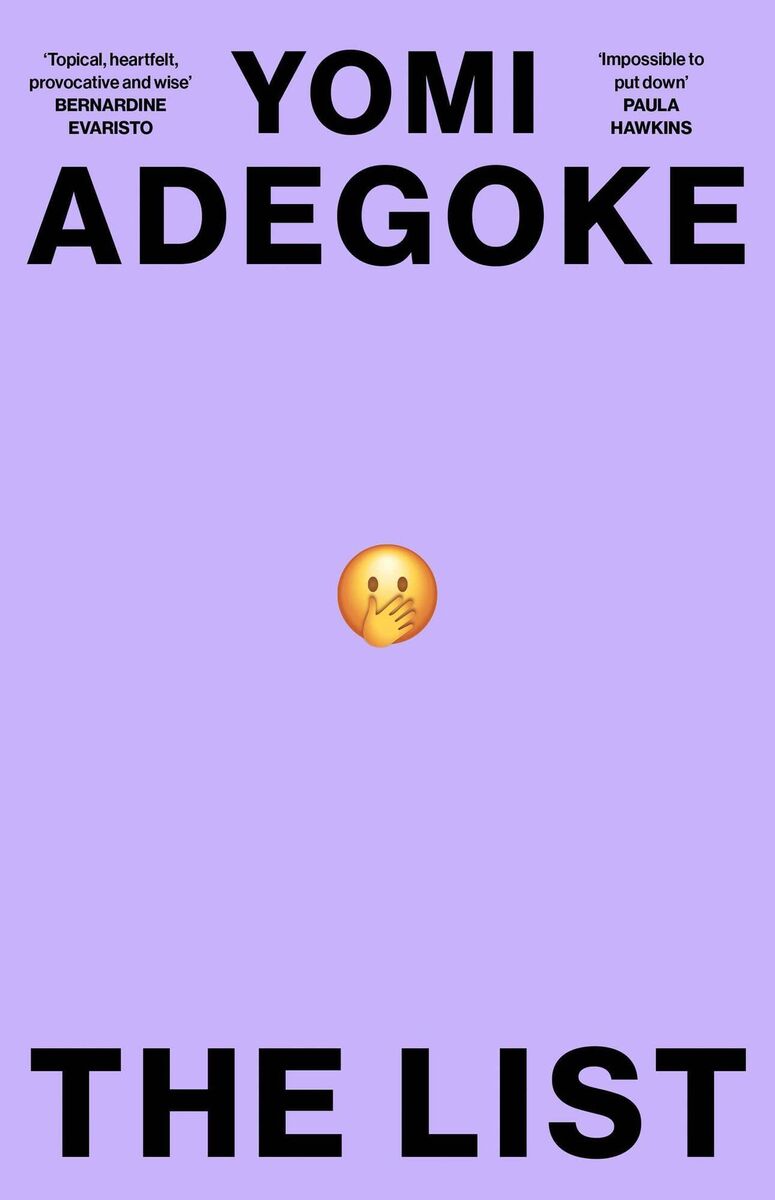
- The List
- Yomi Adegoke
- 4th Estate, €16.24
Serious moral questions about social media are at the centre of Yomi Adegoke’s first novel, The List. This is unsurprising as Adegoke is a journalist specialising in writing, for publications such as and , about race, feminism, popular culture and how they intersect.
Adegoke likes to argue, and thus her parents encouraged her to read Law, which she did at the University of Warwick. Finding herself suffering from depression, she took a year out and began her career in journalism, writing a blog and starting a magazine.
In Adegoke gives voice to the characters, Ola and Michael who present each side of an argument about social media which Adegoke is probably having with herself. Michael lives in Canning Town in East London, where Adegoke was born, whilst Ola’s flat is in the south of the city, where the author was brought up. Adegoke draws on the current Black British social milieu as well as that of her parents’ generation.
There is an amusing segment in which Michael travels on the Underground from his place to Ola’s; his rap soundtrack for the journey, and its ritual use, reveals plenty about him. He listens to “Vince Staples on the Jubilee Line to London Bridge, J Hus for the Northern Line to Tooting Broadway”.
Michael and Ola are, at the opening of the novel, an A-list Black couple. Ola works at Womxxxn, an online feminist magazine, whilst Michael is a new employee at CuRated. Their online status originates from an Instagram image which has been assimilated by Black Britain as a “couple goal”. When Ola complains about being part of a poster pair for Black love, she is told that the territory comes with their good looks and her own “great cheekbones”.
Now that The List has been published, she feels that she has “gone from one half of a power couple to a pariah”. She says that they are “ruined as a unit and as individuals, with the social capital accrued by both separately, and as one, gone”.
In The List, a sort of #MeToo creation, which purports to name abusers in the media business, Michael appears at number 42, named as an assaulter and harasser, who has placed under a restraining order. To add injury to insult his name is misspelt as Micheal.
The Tweet drops 4 weeks before Ola and Michael’s wedding day. Having herself, in the past, publicised a list, #McsToo, of suspected musician abusers, Ola’s kneejerk reaction is to believe the women.
Should she cancel the wedding? Or is Michael, as he protests, innocent of these accusations? The pair of definite articles attached to nouns; The List and The Wedding, become oppositional in Ola’s mind. Problematically she has already expended huge sums on her special day and its associated costs.
Ola’s friends also divide into binaries: either supporting The List or The Wedding. The former group accuse her of going ahead with her nuptials just because of money, whilst the latter group doubt that her fiancé behaved badly.
Michael’s groupchat friends think it is all a load of nonsense. But there is someone whom Michael secretly worries about, a woman called Jackie: he describes a “DM slide” in which her “thirst traps” receive, from him, flame emoji for-her-eyes-only replies.
In Adegoke presents a story of today in which a person’s life can be controlled by strangers on social media rather than, in the old-fashioned way, by the assessment of friends and family. There are eyes everywhere, fuelled by alcohol or envy or spite, and vengeance can be unattributable.