Book review: Complex profile of protagonist

Through Carrie, author Rosie Walsh traces a persuasive character arc that metamorphoses from near defeat to a fledgling, resolute self-belief
Author Rosie Walsh’s third novel deftly explores grief, chance, and the extent to which we can really know the people in our lives. Picture: Anna Pumer Photography

Author Rosie Walsh’s third novel deftly explores grief, chance, and the extent to which we can really know the people in our lives. Picture: Anna Pumer Photography

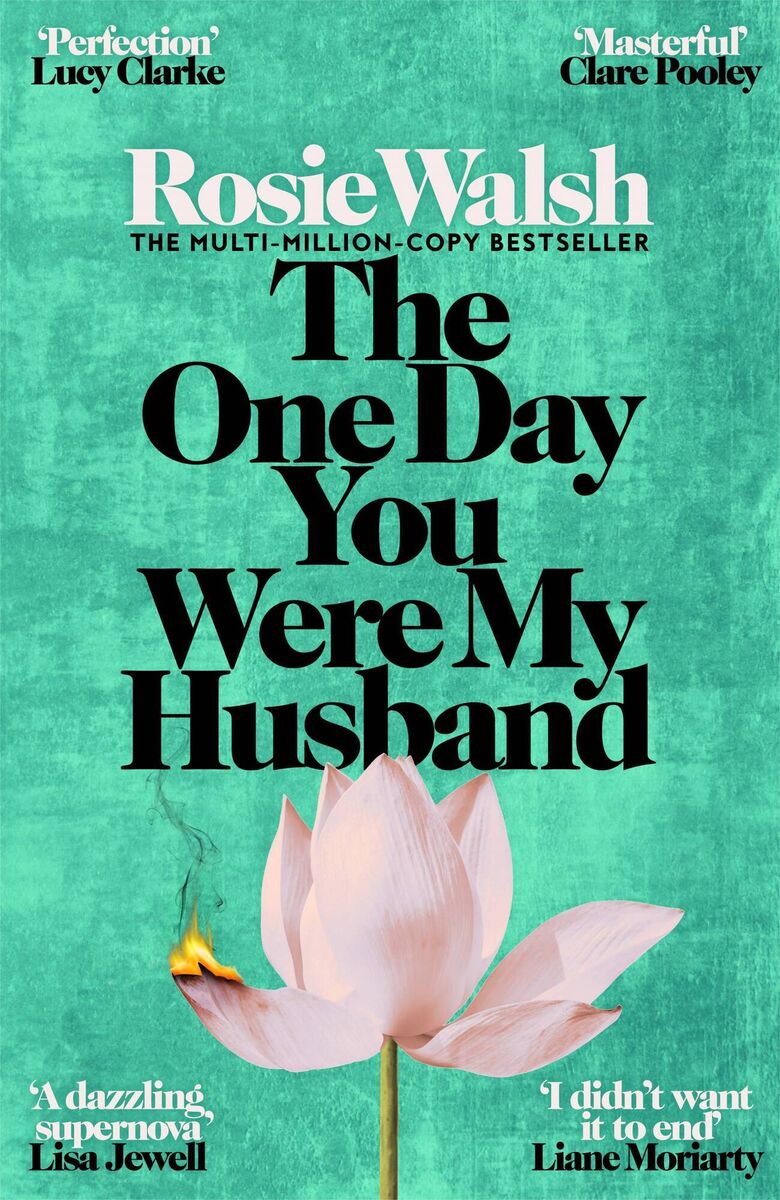
  • The One Day You Were My Husband
  • Rosie Walsh
  • Macmillan, €15.99

Carrie Cole’s self-belief is shattered on her wedding day.

After a heady three-month relationship in 2010, Carrie and Johan are married, by a drunken celebrant, on a beach while holidaying on the island of Koh Samui in the Gulf of Thailand.

Four hours later, their first dance is disrupted by the appearance of police who point guns at Johan’s head as they wrestle him into a riot van against the soundscape of Carrie’s screams.

In Bangkok, a distraught Carrie hears that her husband was arrested for drug trafficking — but he refuses to elaborate — and then casually dismisses her.

“Look after yourself, Carrie,” he says. “Have a good life.”

Later, she learns Johan was sentenced to 25 years in a notorious Bangkok prison for his involvement with one of Asia’s biggest crime gangs — and that he had a girlfriend in the organisation.

By 2022, Carrie is with Robin (“a man I could finally trust”), her “practical husband” who is the opposite of Johan; solid, honest, and loyal.

Together, they have young twins who were born prematurely.

About to return to work, Carrie, haunted by the anxiety of her experience with Johan, realises she can’t leave her twins with a childminder.

This torpedoes her career and she thinks the years she spent becoming a surgeon were wasted.

But Carrie is tentatively trying to resurrect her professional life; she’s just been accepted onto a placement in Stockholm with Yanika, her former mentor.

Then, while searching online for accommodation in Sweden, Carrie sees Johan’s face.

Dumbfounded, she reads that he was released in 2016 and is now an architect and a father. Yet, he never contacted Carrie to explain or apologise.

Suddenly, the certainties she uses as waypoints to navigate her life begin to collapse — and her quest for answers risks decimating the family she’s built with Robin.

The One Day You Were My Husband is a stylish, pacy romantic thriller.

Pulsing with passion and infused with emotional breadth, Rosie Walsh’s third novel deftly explores grief, chance, and the extent to which we can really know the people in our lives — even those with whom we are most intimate.

Orbiting these themes are probing questions about motherhood.

When Carrie was 10, her activist mother, Adelina, walked out on the family.

“I was never made for this job,” Adelina tells her adult daughter.

Carrie recognises a similar impulse in herself.

But she also sees how prioritising her children over her career wounded Yanika, who bluntly tells Carrie that surgery is effectively closed to women who make that choice.

Walsh is an English novelist whose preoccupations are similar those found in the fiction of Jojo Moyes.

Told in the first person and fluidly hopscotching between 2010 and 2022, The One Day subtly foreshadows its action: Early in their courtship, Carrie fears taking her eyes off Johan in case he might “disappear”.

A vital thread of the novel strains credibility, but overall Walsh shapes a convincing plot spiked with escalating twists.

Arguably, the book’s salient accomplishment is the complex portrait it offers of its protagonist.

Before meeting Johan, Carrie thinks others see her only as a “high-achieving nerd”.

But this first experience of love transforms Carrie.

When Johan betrays her, Carrie mourns for the person she believed she had become, resolves to never make herself vulnerable again and, ultimately, allows herself to “disintegrate”.

In response to the chaos of her early life, Carrie considered her father “the place we called home”.

Tellingly, in Johan Carrie finds “a sense of belonging”.

Through Carrie, Walsh traces a persuasive character arc that metamorphoses from near defeat to a fledgling, resolute self-belief.

x

BOOKS & MORE

Check out our Books Hub where you will find the latest news, reviews, features, opinions and analysis on all things books from the Irish Examiner's team of specialist writers, columnists and contributors.


More in this section

Scene & Heard

Newsletter

From music and film to books and visual art, explore the best of culture in Munster and beyond. Selected by our Arts Editor and delivered weekly.

Cookie Policy Privacy Policy Brand Safety FAQ Help Contact Us Terms and Conditions

© Examiner Echo Group Limited